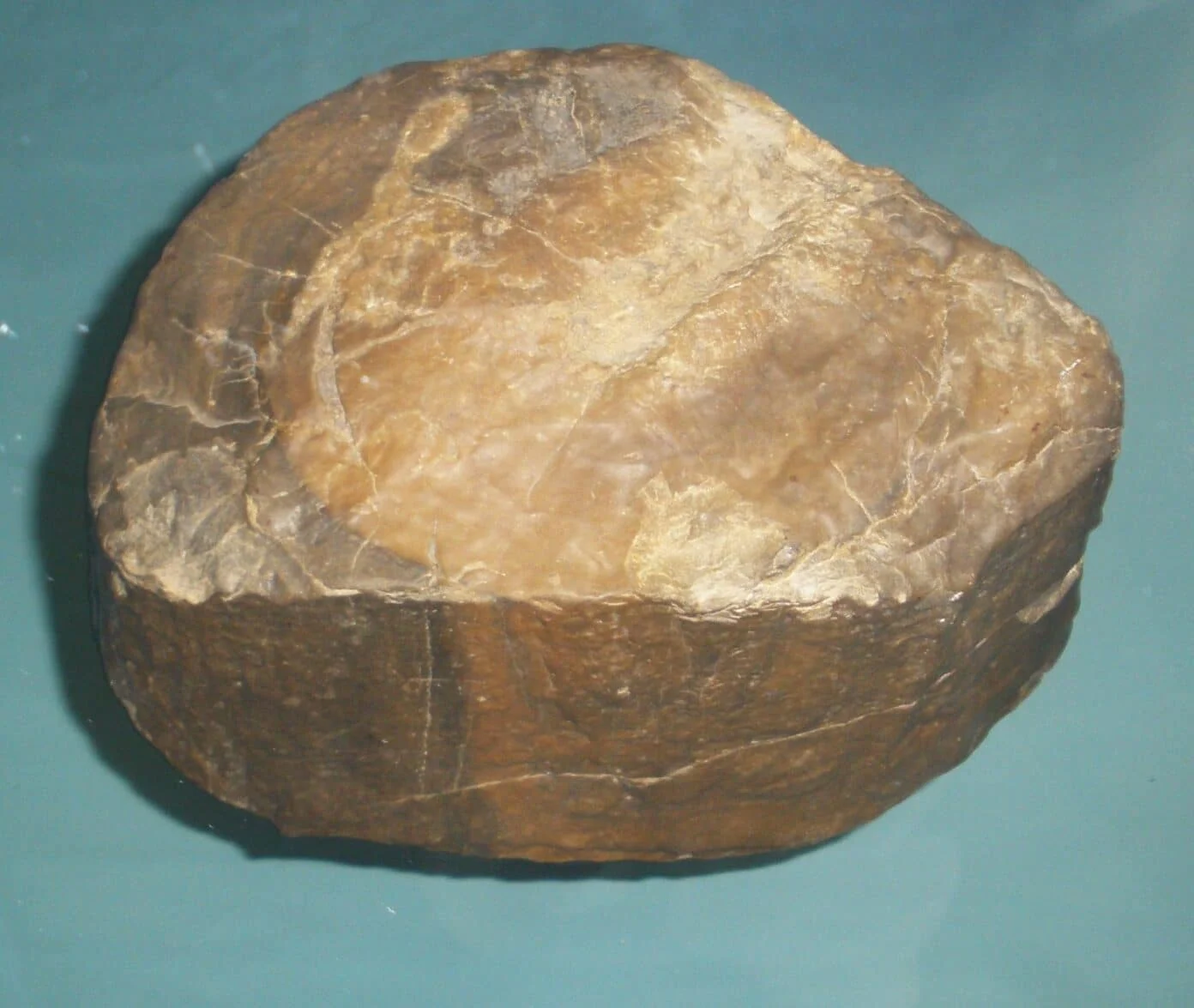
Introduction
The Prototaxites fossil stands as one of the most intriguing and enigmatic specimens of ancient life on Earth. Dating back over 400 million years, this large, tree-like organism challenges traditional views of plant evolution and ecology. Its study provides vital insights into the prehistoric ecosystems that once dominated our planet, making it a significant topic for both paleontologists and enthusiasts alike.
What is Prototaxites?
Prototaxites is a genus of fossilised organisms that appeared during the Late Silurian to the Late Devonian periods. Resembling tall, woody growths that could reach heights of up to 8 meters, these fossils were initially classified as ancient trees. However, recent research suggests they might instead belong to a type of gigantic fungus or lichen. This classification has far-reaching implications for understanding the evolution of life forms and their adaptations in ancient environments.
Recent Findings and Research
In a landmark study published in 2023, a team of researchers from the University of Pennsylvania revealed new evidence supporting the fungal classification of Prototaxites. This research included advanced imaging techniques and isotopic analyses, providing clarity on the organism’s structure and biochemical makeup. The findings indicate that Prototaxites played a crucial role in the soil formation and nutrient cycling during the Devonian period, greatly influencing the development of terrestrial ecosystems.
Furthermore, ongoing debates about the size and scale of Prototaxites have sparked interest in how these organisms may have interacted with early land flora and fauna. The presence of such large organisms in prehistoric soils raises questions about the climate conditions of the time and the ecological balance that existed.
Conclusion
The Prototaxites fossil not only helps to piece together the puzzle of Earth’s biological history but also encourages a reevaluation of our understanding of ancient life forms. The implications of the latest research expand the narrative of evolution, illustrating the complexities of life on Earth far beyond the simplified tree of life model. As scientists continue to explore the significance of Prototaxites, we may uncover even more about the interplay between ancient organisms and their environments, reshaping our knowledge of Earth’s ecological heritage.