Introduction
Vitamin D is a fat-soluble vitamin that plays an essential role in maintaining various bodily functions, particularly in promoting bone health and immune system efficiency. Given the recent global health challenges, understanding the importance of vitamin D has gained significant attention. Vitamin D deficiency is a common issue, especially in regions with limited sunlight, making awareness and education about this vital nutrient more crucial than ever.
Current Research and Findings
Recent studies have underscored the significance of adequate vitamin D levels in not just bone health but overall well-being. According to the National Health Service (NHS), vitamin D supports the body’s ability to absorb calcium, thereby fostering healthy bone development and maintenance. Furthermore, research published in prominent journals has linked adequate vitamin D levels with reduced risks of respiratory infections, autoimmune diseases, and even certain types of cancers.
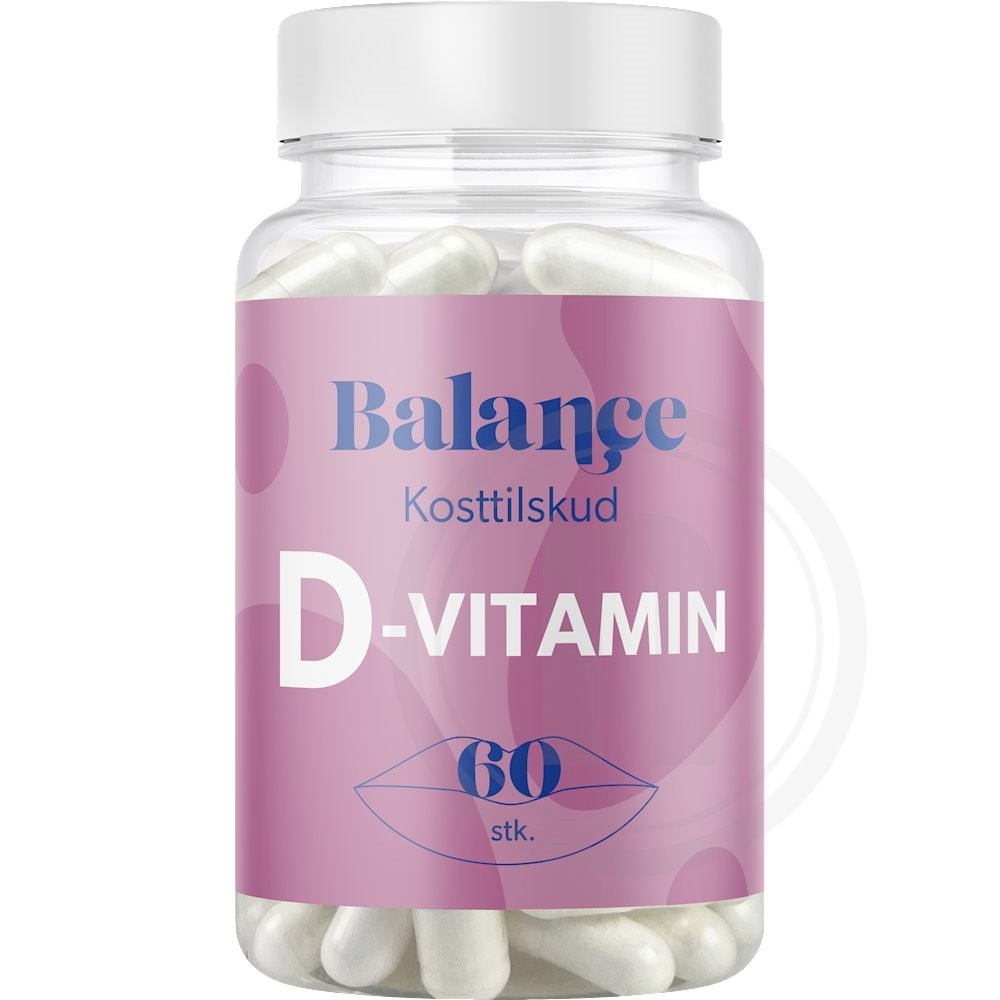
The NHS recommends that individuals consider vitamin D supplementation, particularly during the autumn and winter months when sunlight exposure is minimal. The standard recommended daily allowance is 10 micrograms for most adults, but specific requirements may vary based on age, health status, and geographical location for adequate absorption.
Prevalence of Deficiency
Vitamin D deficiency remains a pressing public health issue. In the UK, it is estimated that approximately one in five adults has low levels of vitamin D, particularly among the elderly, those with darker skin, and individuals who spend most of their time indoors. Public health campaigns are increasingly aiming to raise awareness of these risks and encourage individuals to take proactive measures, including lifestyle changes and dietary improvements that incorporate vitamin D rich foods.
Conclusion
In conclusion, the role of vitamin D is fundamental to our health, influencing everything from bone strength to immune function. As research continues to explore its benefits, it is imperative for individuals to be proactive about their vitamin D status, especially in the face of potential deficiencies. Ensuring proper intake through natural sources like sunlight and fortified foods, alongside supplements where necessary, can significantly contribute to improved health outcomes. Future public health initiatives will likely continue to focus on educating the public about the importance of vitamin D, aiming to reduce deficiency rates and promote a healthier society.