Introduction
Northey Island, located off the coast of Queensland, Australia, is a small yet significant site of ecological preservation. Home to diverse flora and fauna, it is also a vital area for conservation efforts aimed at protecting coastal ecosystems. The island’s relevance has grown amid the global emphasis on sustainability and conservation, making it an important area for both education and eco-tourism.
Current Status and Conservation Efforts
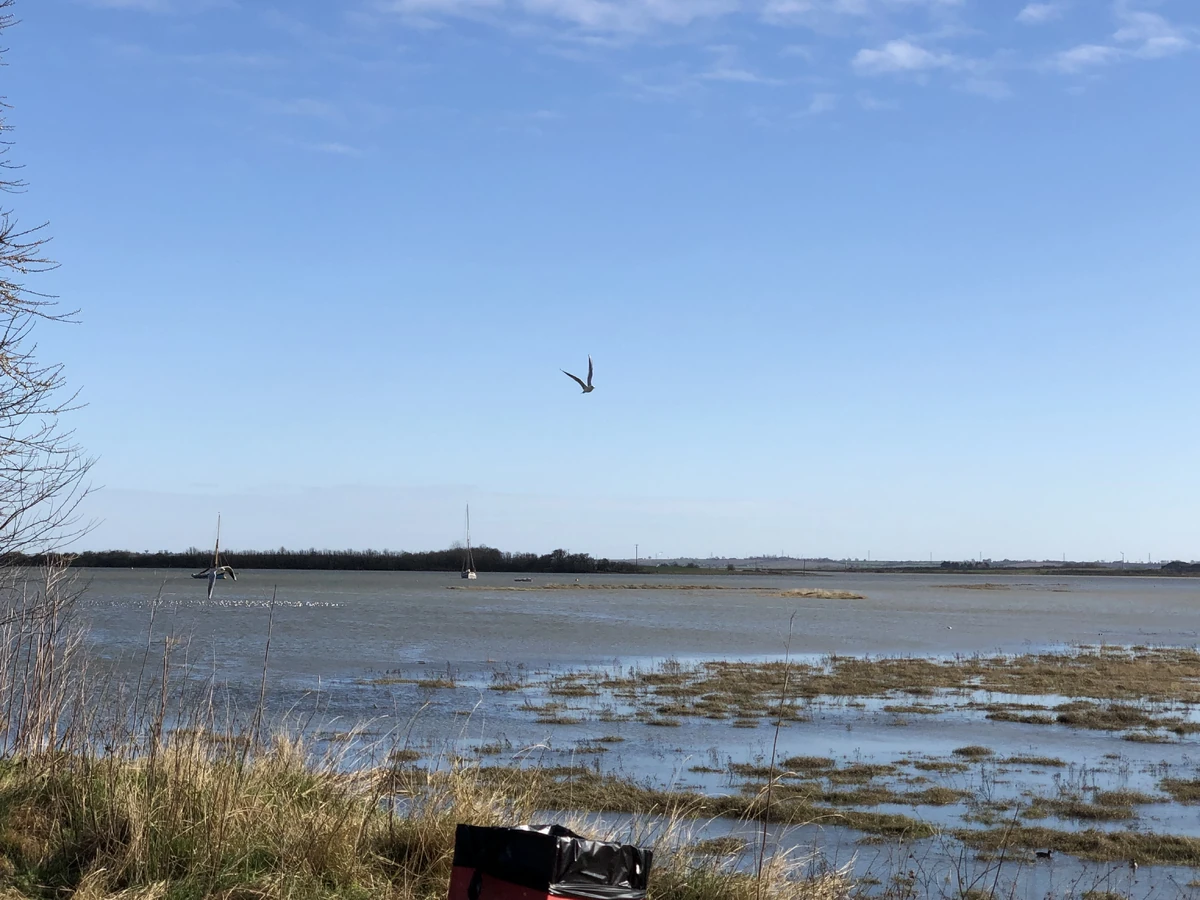
The island is part of the Moreton Bay Marine Park and plays a crucial role in providing habitat for various species. It is known for its mangrove forests, seagrass beds, and tidal flats, which support a range of wildlife, including migratory birds and marine life. Recent initiatives have focused on restoring and preserving these habitats, particularly in light of climate change and urban development pressures.
Community involvement has been pivotal in these efforts. Local conservation groups, like the Northey Island Landcare Group, organise regular community days where volunteers engage in planting native species, removing invasive plants, and monitoring wildlife populations. This grassroots activism not only boosts local engagement but also enhances the ecological health of the island.
Public Access and Eco-Tourism
Additionally, Northey Island is increasingly becoming a destination for eco-tourism. Visitors can explore the island through guided tours that educate them about the unique ecosystems and the conservation work in progress. This increased interest promotes awareness and urgency regarding environmental issues while supporting local economies.
However, with the rise in foot traffic, there are concerns about the potential impact on the delicate ecosystems. Hence, strict guidelines and sustainable practices have been implemented to ensure that the natural environment remains protected even as more people visit.
Conclusion
Northey Island stands as a testament to the importance of ecological conservation in the face of modern challenges. It serves not only as a habitat for wildlife but also as a valuable educational resource for both locals and visitors. Looking ahead, the island’s future hinges on balancing public access with effective conservation strategies. Continued efforts to involve the community in protecting this delicate ecosystem will be vital, ensuring that Northey Island remains a sustainable haven for generations to come.