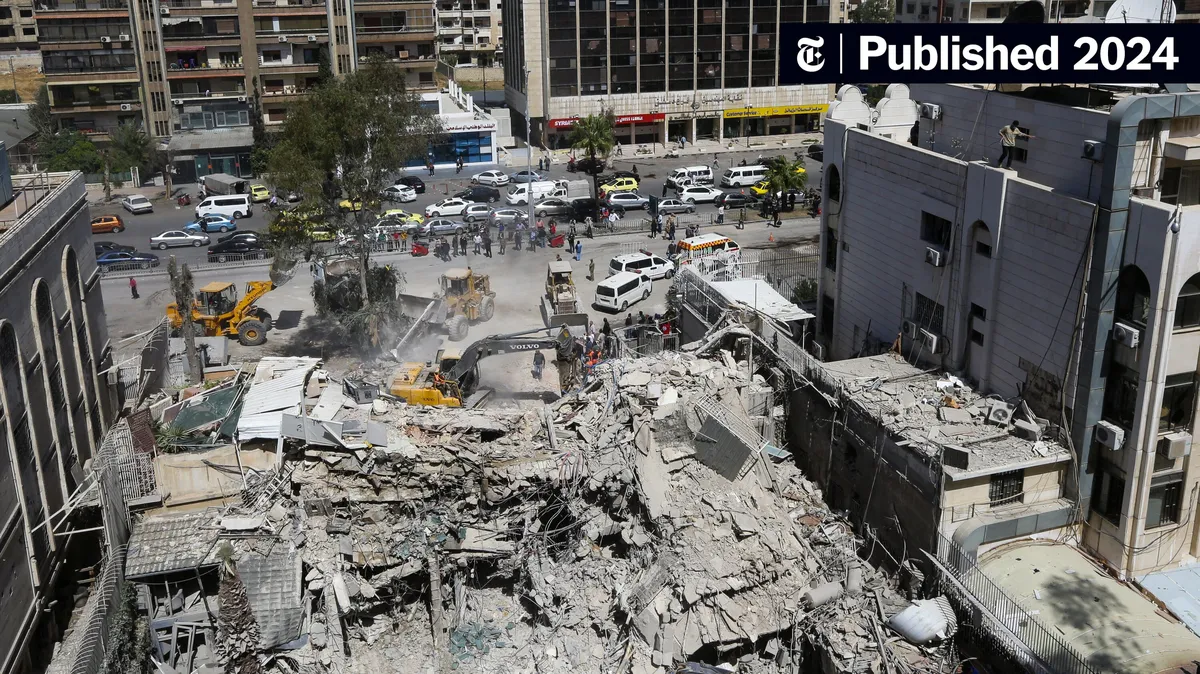
The recent escalation in the Middle East has seen Iran launching missile attacks against oil and gas facilities in Qatar, Saudi Arabia, and the United Arab Emirates, following Israel’s strike on Iran’s South Pars gasfield, the world’s largest gasfield. This tit-for-tat aggression has raised the stakes significantly, with Iranian Supreme Leader Mojtaba Khamenei vowing that Israel will pay for the assassination of three senior Iranian security officials.
In a dramatic turn of events, Iran’s missiles have heavily damaged Qatar’s Ras Laffan liquefied natural gas facility, prompting Saudi Arabia to declare that the “little trust that remained in Iran has been completely shattered.” The conflict has now entered its 20th day, with reports indicating that 132 missiles and 234 drones have been intercepted by Bahrain’s air defenses.
Israeli Prime Minister Benjamin Netanyahu has asserted that Israel is winning the conflict, stating, “We are winning and Iran is being decimated.” However, the situation remains precarious as the Islamic Revolutionary Guard Corps (IRGC) has issued warnings of retaliation against Gulf states for the South Pars attack.
In a further escalation, Israeli military forces have expanded their campaign, targeting locations in northern Iran for the first time since the onset of hostilities. Reports from Israeli media indicate that an oil refinery in Haifa was struck by missiles originating from Iran, intensifying fears of a broader regional conflict.
Amidst these developments, Kuwait has taken proactive measures, with its security services thwarting a planned terrorist operation against the country’s critical infrastructure. Ten Kuwaiti citizens were arrested in connection with this operation, highlighting the pervasive threat posed by the ongoing conflict.
The United States has also stepped in, approving $16 billion in arms sales to the United Arab Emirates and Kuwait, signaling its commitment to bolstering regional allies against Iranian aggression. Tehran has responded by questioning the role of the Ramstein airbase in the conflict, with Tehran’s ambassador to Germany, Majid Nili, stating, “The role of Ramstein is not officially clear for us.”
As the situation unfolds, the humanitarian impact is becoming increasingly dire, with over one million Lebanese people displaced due to Israel’s military actions. The patience of regional powers is wearing thin, as expressed by Saudi Foreign Minister Prince Faisal bin Farhan Al Saud, who remarked, “The patience that is being exhibited is not unlimited.”
Details remain unconfirmed regarding the full extent of military and civilian casualties, as both sides brace for further escalations in this volatile conflict. The international community watches closely, hoping for a resolution to the tensions that threaten to engulf the region.