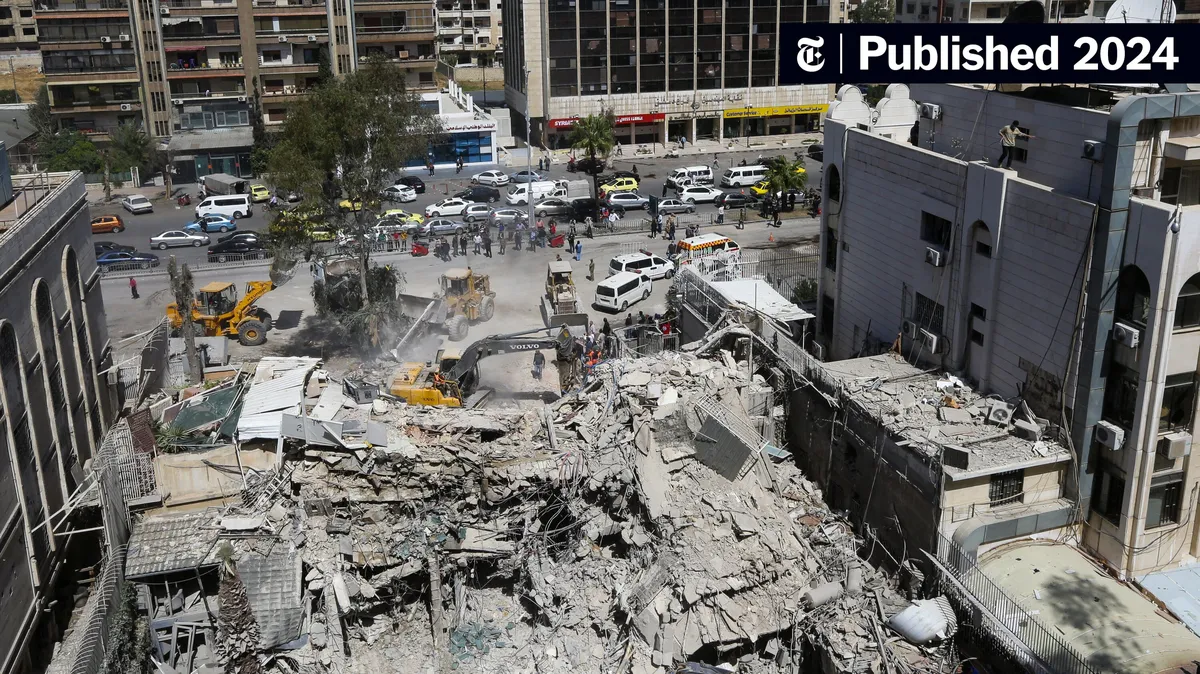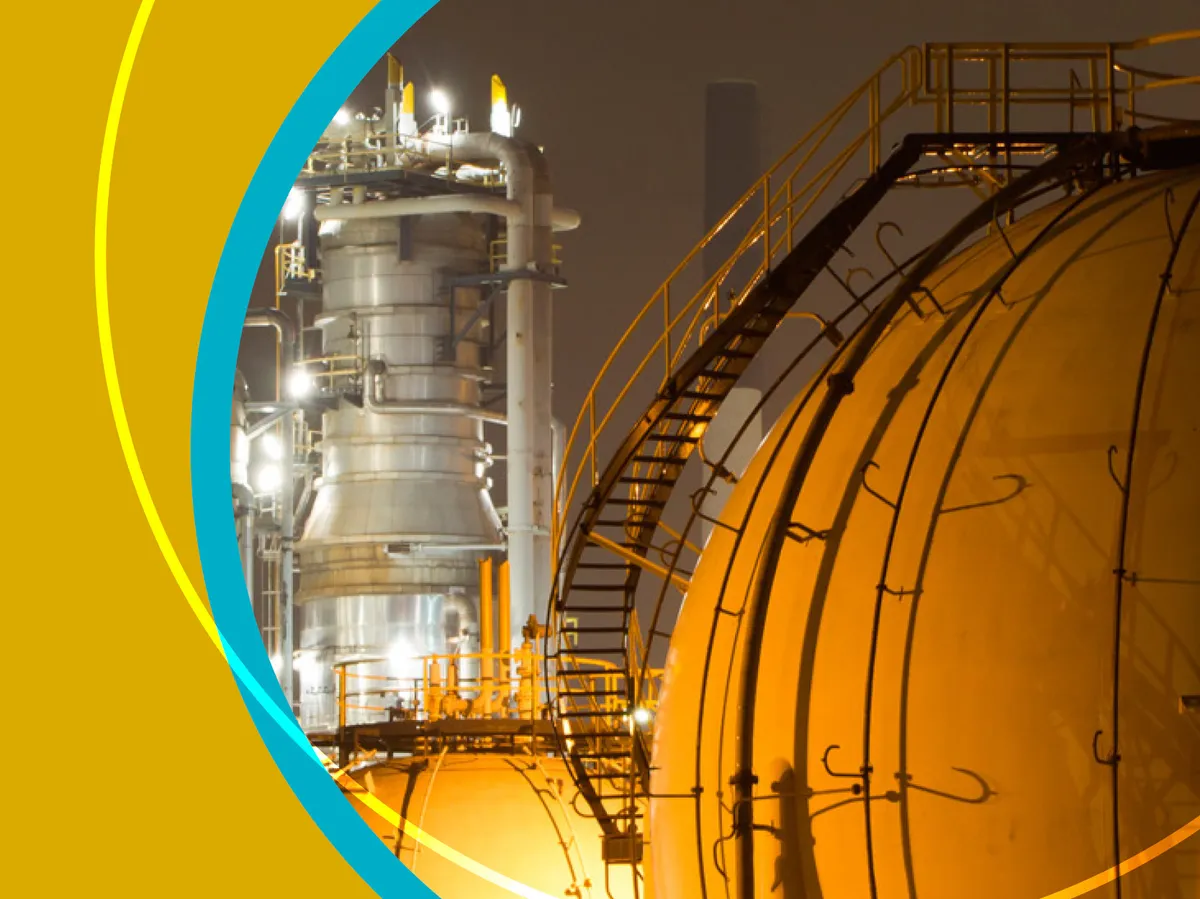
In the heart of the Middle East, Qatar has long been a cornerstone of global liquefied natural gas (LNG) supply, particularly for countries like India, which relies on Qatar for approximately 40% of its LNG needs. However, the tranquility of this energy hub was shattered in recent weeks as Iranian attacks targeted the Ras Laffan LNG facility, causing severe damage and raising alarms across the energy sector.
On a fateful day in early October, news broke that the attacks had crippled 17% of Qatar’s LNG capacity, a staggering loss that could take between three to five years to repair, according to QatarEnergy CEO Saad al-Kaabi. The implications of this disruption are profound, not just for Qatar but for nations like India, which is heavily dependent on these energy supplies.
How it unfolded
The situation escalated rapidly as the Strait of Hormuz, a critical maritime passage for oil and gas shipments, became increasingly perilous due to ongoing Iranian hostilities. Reports indicated that this vital route, through which 90% of India’s LPG imports transit, was rendered nearly impassable. As a result, India found itself in a precarious position, vulnerable to significant disruptions in its energy supply.
In the wake of these attacks, European gas prices surged by 35%, reflecting the global anxiety surrounding the LNG market’s stability. Brent crude prices also saw a sharp increase, briefly rising over 10% to above $119 per barrel. The ripple effects of these events are being felt across the globe, as countries scramble to secure alternative energy sources.
For India, the urgency to find new LNG and LPG suppliers has never been greater. “We are trying to pick up the cargoes from other sources,” said Sujata Sharma, an energy analyst closely monitoring the situation. The Indian government is actively seeking alternatives to mitigate the impact of this crisis, but with 85% to 90% of its oil imports coming from the Middle East, the country remains at the mercy of geopolitical tensions.
In an effort to bolster its energy security, India has ramped up domestic LPG production from refineries by about 36%. However, this increase may not be sufficient to offset the losses from Qatar, especially if the disruption through the Strait of Hormuz continues. As energy expert Sumit Ritolia noted, “If the disruption through Hormuz persists, Indian buyers may need to procure higher-priced spot cargoes or reduce consumption.” This scenario paints a grim picture for a nation already grappling with rising energy costs.
The broader implications of this LNG supply disruption extend beyond immediate energy needs. India had previously called for the avoidance of targeting civilian infrastructure, including energy infrastructure, across the region, highlighting the precarious balance of peace and stability that hangs in the balance. As the situation evolves, the stakes remain high for all involved, with the potential for further escalation looming ominously on the horizon.
As we stand today, the future of Qatar’s LNG supply and its impact on global markets remains uncertain. The damage inflicted on Ras Laffan has created a multi-year supply loss in the LNG market, and the world watches closely as nations navigate this complex web of energy dependence and geopolitical strife. The hope is that diplomatic efforts can restore stability, but for now, the crisis continues to unfold, leaving many to ponder the long-term consequences of these recent events.