Introduction to the Polar Vortex
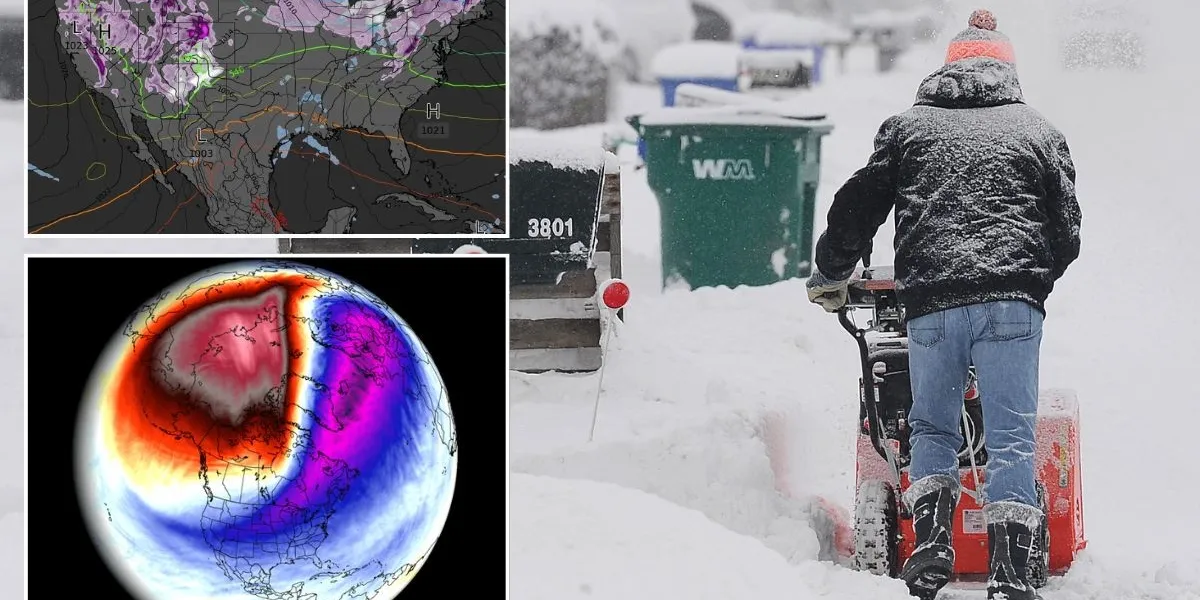
The polar vortex is a large area of low pressure and cold air surrounding the Earth’s poles. It plays a crucial role in influencing winter weather patterns across the Northern Hemisphere. As we approach the winter months, forecasts predicting collapse events in the polar vortex are gaining heightened attention due to their potential impact on global weather systems.
The Importance of Polar Vortex Collapse Forecasts
A collapse of the polar vortex can lead to significant shifts in weather, including unseasonably warm conditions in some regions and extreme cold outbreaks in others. Meteorologists anticipate these changes, as they allow for better preparation and adaptation strategies by governments, businesses, and individuals. Understanding how these forecasts impact weather patterns is essential for those living in areas that may be affected by severe conditions.
Current Trends and Predictions
This year, forecasters have noted indicators that suggest a possible collapse of the polar vortex. According to the latest data from the National Oceanic and Atmospheric Administration (NOAA), changes in sea surface temperatures and atmospheric pressure could trigger a weakening of the polar vortex by late January and early February 2024. If this occurs, it may result in frigid air plunging southward into the United States and parts of Europe, leading to dangerously low temperatures and higher snowfall.
The forecast models, for instance, show that the Arctic oscillation is predicted to become negative, which is typically linked to increased occurrences of cold air intrusions into mid-latitude regions. This has been corroborated by analysis from leading climate scientists who indicate that we are entering a period of heightened volatility in winter weather due to changes in the polar vortex.
Implications and Significance
The potential collapse of the polar vortex this winter has significant implications not just for immediate weather conditions, but also for our understanding of climate change and its role in altering weather patterns globally. As scientists continue to study the dynamics of the polar vortex, it underscores the importance of climate resilience and preparedness in the face of changing weather. Issues such as infrastructure preparedness, heating resource availability, and public safety measures will become more critical if winter predictions materialise as forecasted.
Conclusion
In conclusion, the polar vortex collapse forecast is a vital topic as we move towards the winter months. Monitoring and understanding these patterns will be crucial for communities globally. While there remain uncertainties about the exact outcomes of a polar vortex collapse, the potential consequences call for increased awareness and readiness strategies among those who may be affected by severe winter weather in the upcoming months.