Political Landscape Before the Uprising
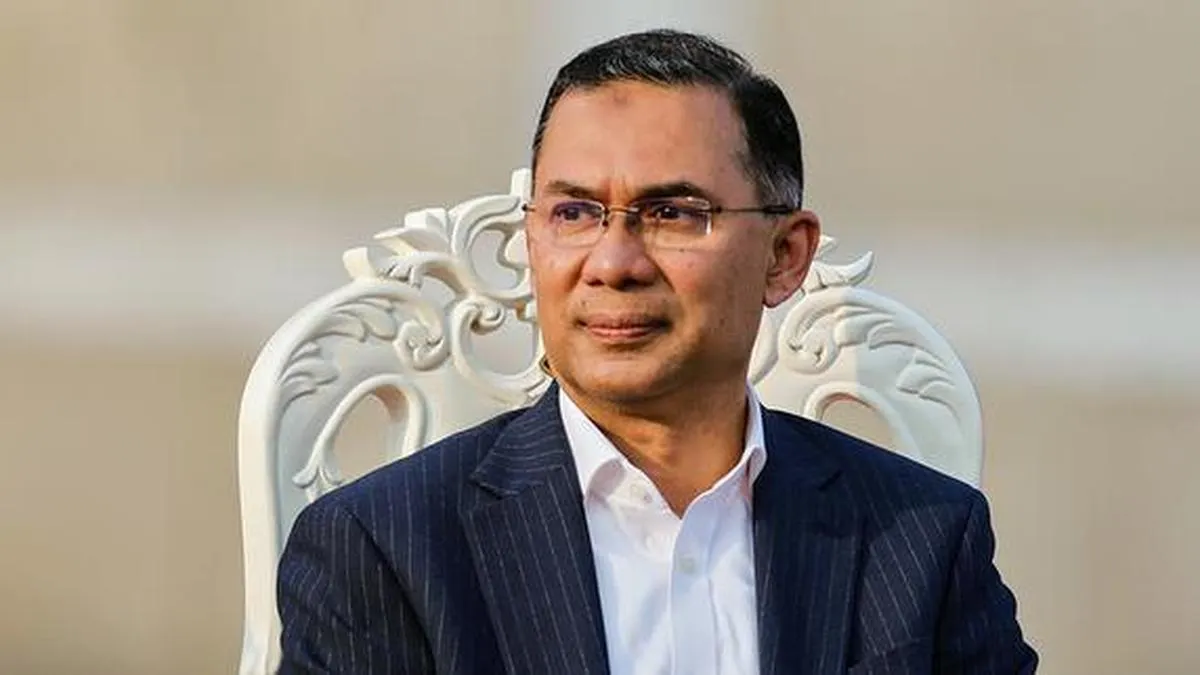
Before the upheaval in 2024, Bangladesh was under the long-standing rule of Sheikh Hasina and the Awami League, which faced increasing criticism for authoritarian practices. The political environment was marked by tensions between the ruling party and opposition groups, particularly the Bangladesh Nationalist Party (BNP) led by Tarique Rahman.
The Decisive Moment
The situation escalated dramatically in 2024 when a violent uprising resulted in approximately 1,400 deaths and over 20,000 injuries. This unrest prompted a significant shift in the political landscape, culminating in the convening of Bangladesh’s Parliament for the first time since the uprising on March 12, 2026.
Immediate Political Changes
In the recent parliamentary elections, the BNP-led alliance secured 212 seats out of 350, with the BNP itself winning 209 seats. This marked a substantial return to power for the BNP after years of opposition. In contrast, the Jamaat-e-Islami-led alliance, which includes Shafiqur Rahman as the opposition leader, holds 76 seats.
Expert Perspectives
Tarique Rahman expressed optimism about the new parliamentary session, stating, “After more than a decade and a half of fascist and subservient rule, the activities of Parliament are beginning today with representatives elected by the people.” He emphasized the need for a functional Parliament to address national issues, criticizing the previous regime for making it dysfunctional.
Broader Implications
The political upheaval has not only reshaped governance but also impacted Bangladesh’s economy, particularly its status as the world’s second-largest garment exporter. Amid the energy crisis, the government has closed universities and implemented fuel rationing, further complicating the socio-economic landscape.
Looking Ahead
As the BNP aims to build a prosperous and democratic nation, the future of Bangladesh’s political stability remains uncertain. The recent changes could lead to new governance strategies, but the effects of the uprising linger, influencing public sentiment and policy-making.
Details remain unconfirmed regarding the long-term impacts of these political shifts on the energy crisis and economic recovery in Bangladesh.