Recent Weather Developments in Srinagar
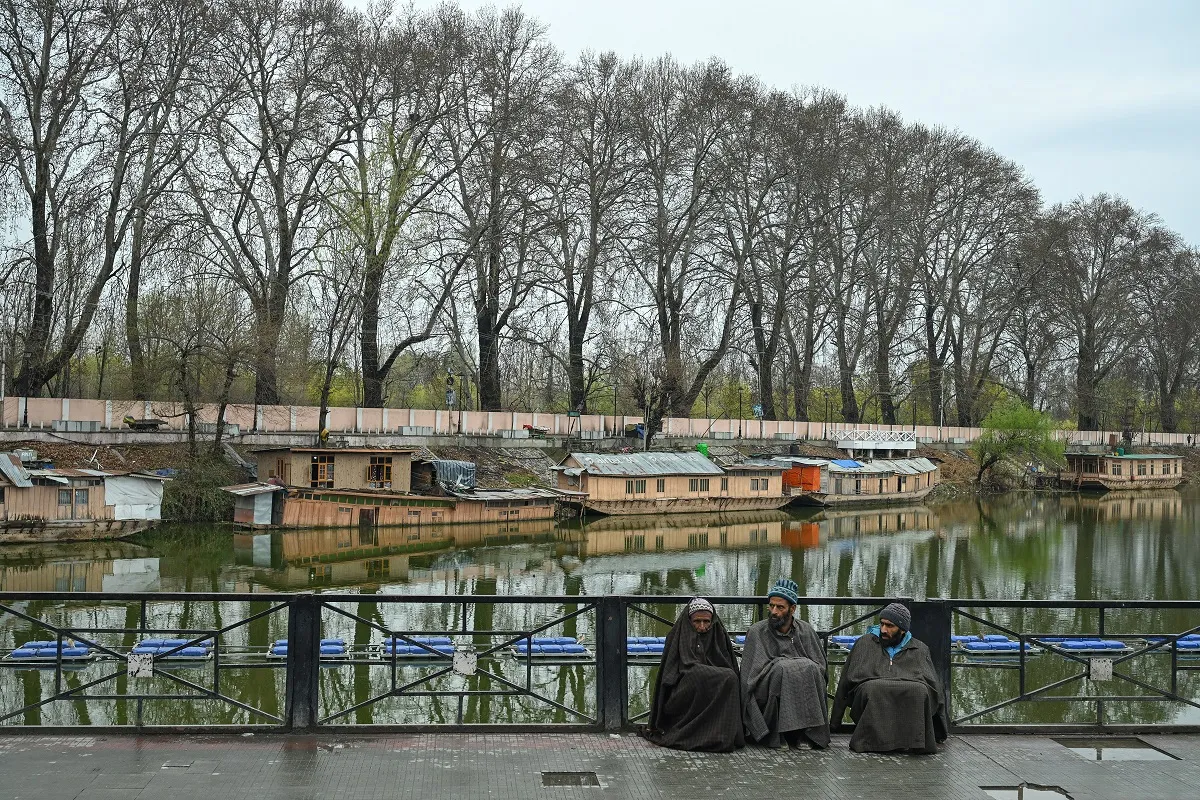
On March 11, 2026, the weather in Srinagar, Kashmir, took a notable turn as the region experienced light to moderate rainfall. This weather event followed a prolonged period of dry conditions, which had resulted in a significant precipitation deficit during the core winter months from December 2025 to February 2026.
In the days leading up to this development, the higher reaches of Kashmir received fresh snowfall, while several plains, including Srinagar, recorded varying amounts of rainfall. Specifically, Srinagar registered around 1.2 mm of rain, while Kupwara received about 6.4 mm, and Gulmarg recorded 2.8 mm during the same period. This precipitation was welcomed by many, as it marked a shift from the region’s ongoing struggles with a 65 percent precipitation deficit this winter.
Temperature Trends
Alongside the rainfall, temperatures in Srinagar have been notably higher than usual. The maximum temperature reached 17.6 degrees Celsius, which is approximately 2.9 degrees above normal for this time of year. Additionally, the minimum temperature settled at 10.5 degrees Celsius, around 7.2 degrees above the seasonal average. In contrast, Gulmarg recorded the lowest minimum temperature in the Kashmir division at 2.4 degrees Celsius.
In Jammu city, the situation was even more pronounced, with a maximum temperature of 31.2 degrees Celsius, nearly 5.8 degrees above normal. These temperature anomalies have raised concerns about the broader implications for the region’s climate and agricultural patterns.
Ongoing Weather Predictions
The Meteorological Department has indicated that the erratic weather conditions across Jammu and Kashmir are expected to persist until March 19. They noted, “Weather conditions across Jammu and Kashmir will remain erratic till March 19,” highlighting the uncertainty surrounding future weather patterns. This unpredictability is particularly concerning for local farmers and residents who rely on consistent weather for their livelihoods.
As the region continues to grapple with the effects of climate variability, the recent rainfall, albeit light, offers a glimmer of hope for replenishing water sources and supporting agricultural activities. However, the long-term impacts of the winter precipitation deficit remain a critical concern for stakeholders in the area.
In summary, the recent weather developments in Srinagar reflect a complex interplay of precipitation and temperature trends that are significantly above seasonal averages. The ongoing erratic weather conditions are likely to have lasting effects on the region, as residents and local authorities monitor the situation closely. As the Meteorological Department continues to provide updates, the community remains hopeful for more consistent weather patterns in the weeks ahead.