Context and Initial Remarks
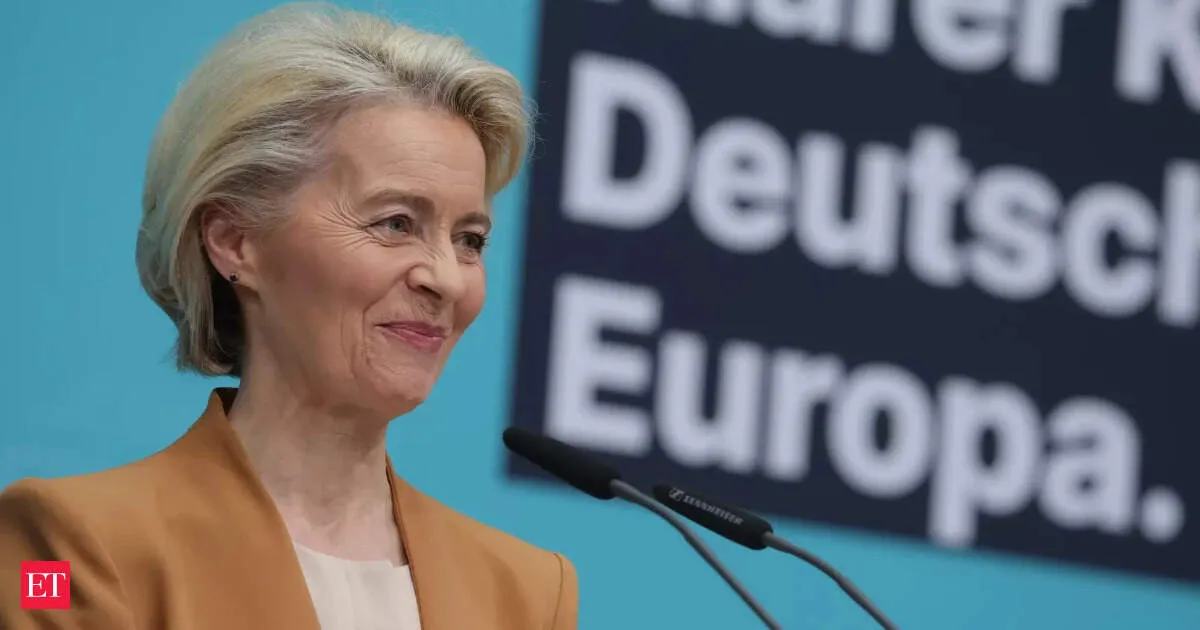
In a recent address, Ursula von der Leyen, the president of the European Commission, made a bold declaration that the rules-based world order is finished. This statement has generated considerable turbulence within the European Union (EU), as it challenges the foundational principles that have guided international relations for decades. Von der Leyen’s assertion that “Europe can no longer be a custodian for the old-world order, of a world that is gone and will not return” reflects a significant shift in her perspective on global governance.
Reactions from EU Leaders
The immediate response to von der Leyen’s comments was one of disagreement from key EU figures. António Costa, the president of the European Council, publicly countered her stance, emphasizing the necessity for Europeans to defend the rules-based international order. Costa’s remarks highlight a growing divide within the EU regarding the interpretation and future of international relations.
Spanish Foreign Minister José Manuel Albares also expressed his dissent, stating that there is no opposition between an old order and a new order, but rather between international order and disorder. This sentiment underscores the concerns among EU leaders about the implications of von der Leyen’s remarks for the EU’s foreign policy direction.
Growing Discontent and Calls for Clarification
As the fallout from von der Leyen’s comments continued, discontent began to surface in several EU member states, particularly in France and Spain. Leaders from these countries have voiced their concerns about her approach to foreign policy, suggesting that her remarks may have overstepped her authority. The French government has cautioned that the High Representative is responsible for directing the Union’s common foreign and security policy, indicating a potential conflict in leadership roles within the EU.
In light of the backlash, there have been calls for clarification regarding von der Leyen’s statements, with some members even suggesting the possibility of a no-confidence vote against her. This situation reflects the seriousness of the divisions that her remarks have exposed within the EU.
Nuancing the Message
In response to the criticism, the European Commission has rushed to add nuance to von der Leyen’s words, attempting to mitigate the damage caused by her initial declaration. This effort indicates an awareness of the potential ramifications of her comments on the EU’s diplomatic standing and internal cohesion.
Criticism of Foreign Policy Actions
Von der Leyen’s foreign policy actions have also come under scrutiny, particularly her support of Israel during the recent Gaza conflict. Critics argue that her stance has further complicated the EU’s position on international issues and has led to questions about her role as a unifying figure within the Union.
Current State of Affairs
As it stands now, the EU is grappling with the implications of von der Leyen’s remarks and the subsequent reactions from various member states. The controversy surrounding her statements is part of a larger issue regarding her accumulation of foreign policy responsibilities, which some leaders believe could dilute the European voice on the global stage.
The developments surrounding Ursula von der Leyen’s comments on the world order and EU foreign policy underscore the complexities of leadership within the European Union. As member states navigate their differing views on international relations, the future of the EU’s foreign policy direction remains uncertain.