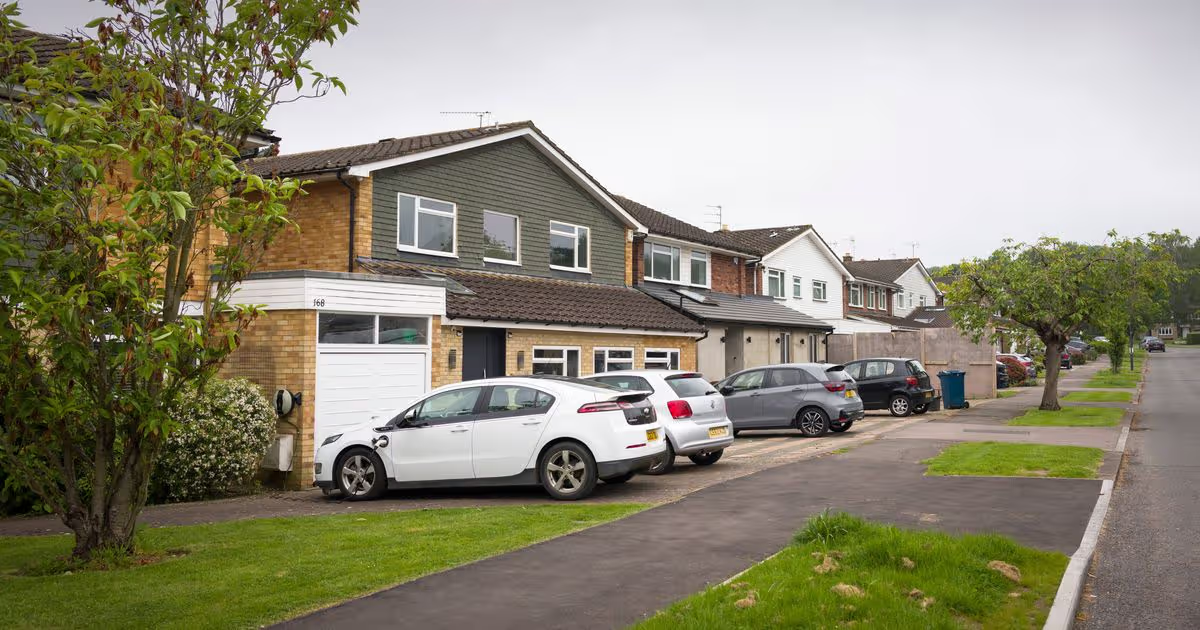
Introduction
The recent change in driveway regulations in the UK has garnered significant attention from homeowners and urban planners alike. As the country strives to ensure pedestrian safety and enhance urban aesthetics, these new rules highlight a growing concern for managing vehicle access while promoting sustainable living. This rule change is expected to impact how residential driveways are designed and constructed moving forward.
Details of the New Driveway Rule Change
Implemented on 1st October 2023, the new driveway rule change mandates that all new driveways must now include permeable surfaces to assist with rainwater drainage. This decision comes in response to increased flooding incidents caused by poorly designed drainage systems and impermeable surfaces that prevent water from being absorbed into the ground. Homeowners are now required to use materials such as permeable paving or porous asphalt when constructing their driveways.
Additionally, the regulations necessitate that driveways should not extend more than 5 meters from the road to ensure pedestrian safety and reduce road clutter. This limit is designed to prevent the obstruction of footpaths and improve accessibility for all users. The authorities have noted that compliant driveways may also benefit from potential financial incentives, such as discounts on council tax or grants for sustainable renovations.
Local Authority Response and Public Opinion
Local councils throughout the UK have begun preparations to enforce these new regulations. Many councils are working to disseminate information to ensure that homeowners are aware of the changes and understand the benefits of sustainable driveway solutions. Public opinion appears divided; while some residents welcome the move for environmental reasons, others express concerns over the potential costs involved in complying with the new requirements.
Conclusion
The new driveway rule change signifies a broader commitment by UK authorities to enhance urban living standards, promote environmental sustainability, and increase pedestrian safety. Homeowners are encouraged to stay informed about these regulations as they may impact not only their property designs but also their finances. Looking forward, as these changes take place, we can anticipate a shift towards more eco-friendly urban developments, reinforcing the necessity of combining functionality with ecological responsibility in residential areas.