US-Israeli War on Iran
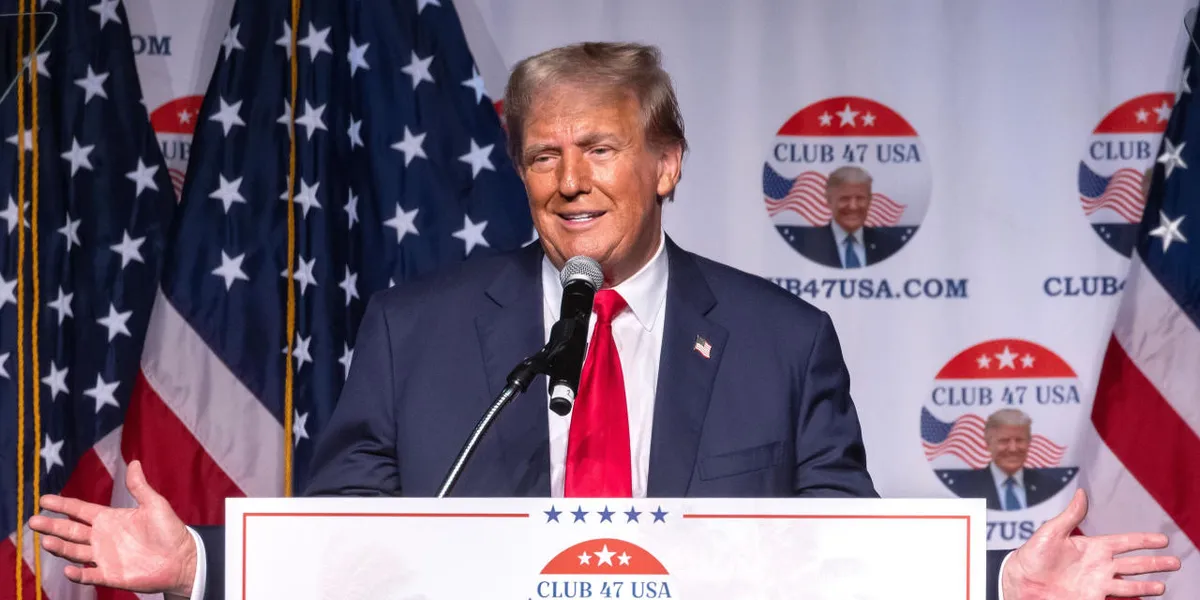
The ongoing US-Israeli war on Iran, which began on February 28, 2026, has escalated significantly, with Donald Trump asserting that it will conclude “very soon.” This statement comes as the conflict has already resulted in extensive military operations and substantial casualties.
Since the onset of hostilities, US and Israeli forces have struck approximately 5,000 targets across Iran. The Iranian government has reported that the conflict has led to 1,200 deaths and 10,000 injuries among its citizens. These figures highlight the severe impact of the military actions in the region.
Trump has characterized the conflict as a “short-term excursion,” indicating a belief that the military operations are temporary and aimed at achieving specific objectives. He expressed disappointment over the recent appointment of Mojtaba Khamenei as Iran’s new supreme leader, suggesting that this change could complicate the situation further.
In his statements, Trump has emphasized the potential for a more extensive military response if Iran obstructs oil supplies in the strategically vital Strait of Hormuz. He remarked, “We will hit them so hard that it will not be possible for them or anybody else helping them to ever recover that section of the world, if they do anything.” This rhetoric underscores the high stakes involved in the conflict.
Additionally, Trump claimed that Iran’s missile capability has been significantly diminished, stating it is now down to about 10 percent or less. This assertion reflects the administration’s narrative of success in degrading Iran’s military capabilities.
In a related development, Trump reported having a “positive phone call” with Russian President Vladimir Putin, discussing the ongoing wars in Ukraine and Iran. This interaction suggests a complex geopolitical landscape where multiple nations are engaged in discussions regarding military actions and regional stability.
As the conflict continues, Brent crude oil prices have surged to $119 per barrel, indicating the broader economic implications of the military actions in the region. The rising costs of oil could have significant repercussions for global markets and economies.
Details remain unconfirmed regarding the full extent of military operations and their long-term implications. The situation remains fluid, and further developments are expected as the conflict evolves.