Introduction
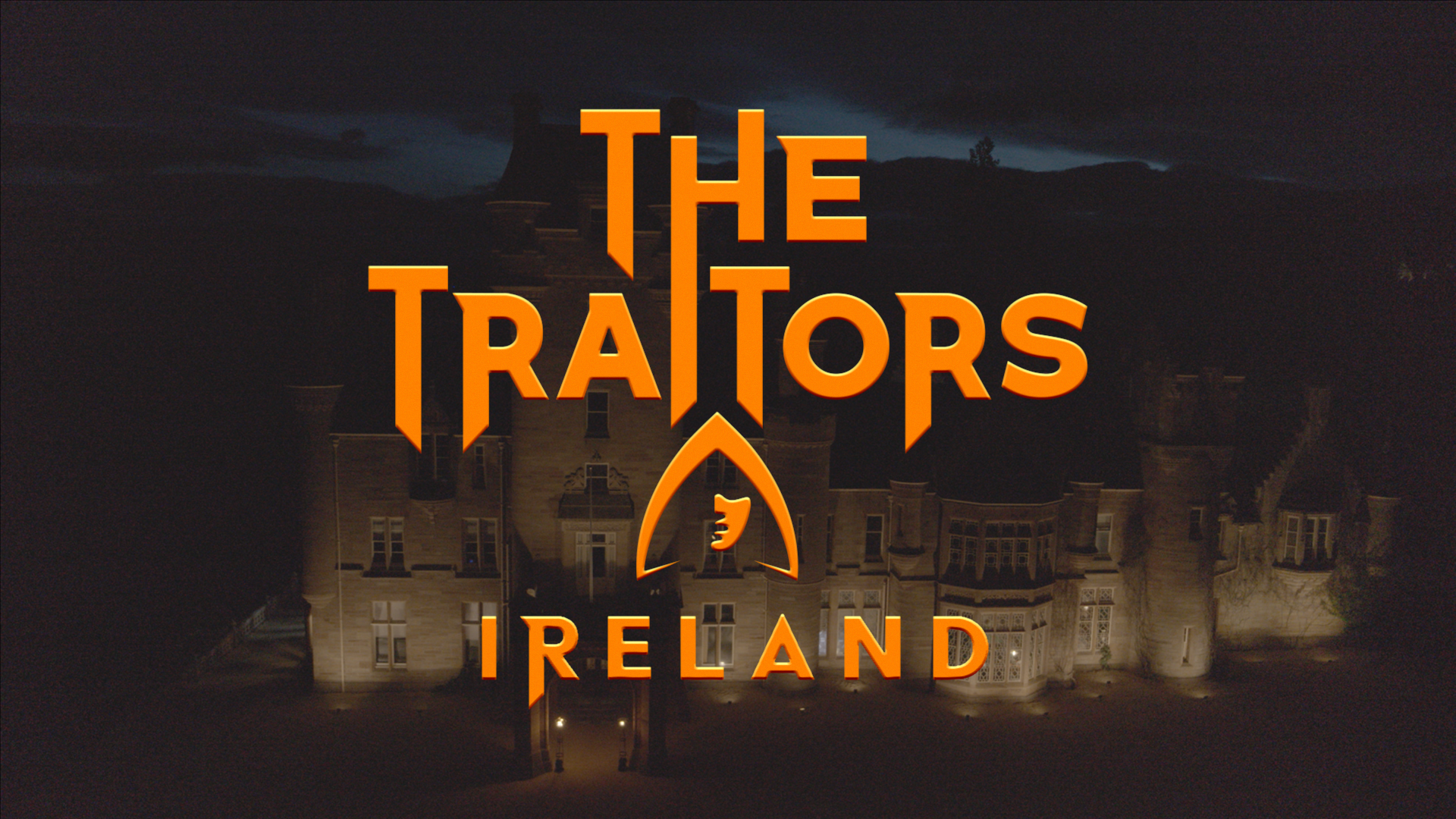
The term ‘traitors’ has long been a striking and controversial label within the context of Irish history and politics. The importance of this topic lies not only in its historical significance but also in its contemporary relevance, as debates regarding loyalty, nationality, and identity continue to shape the Irish societal landscape. Understanding what constitutes a traitor in Ireland helps illuminate the struggles of national identity, the legacy of conflict, and the ongoing discussions surrounding reconciliation.
Historical Context
Throughout history, Ireland has known its share of divisions and conflicts, many of which have led to the accusation of treachery against political figures and ordinary citizens alike. One of the most notable examples includes the portrayal of those who collaborated with British rule or who accepted British titles during the various uprisings, such as the 1798 rebellion against British authority. These individuals were often labelled ‘traitors’ by nationalists seeking independence.
During the Irish Civil War (1922-1923), members of opposing factions labelled each other as traitors, reflecting the depth of division within Irish society following the Anglo-Irish Treaty. The term remains loaded; for some, it signifies a betrayal of national identity, while for others, it may refer to a necessary compromise in the pursuit of peace and stability.
Contemporary Implications
In modern discussions, the idea of being a traitor can extend beyond historical contexts into current political discourse. With ongoing tensions regarding Northern Ireland, accusations of treachery can arise in debates surrounding post-Brexit arrangements, ongoing political unionism versus nationalism, and identity politics. As communities wrestle with their past, labels can carry significant weight, redefining relationships between the two groups.
Recent events, including debates about monuments, educational narratives, and political rhetoric, highlight how the label of a traitor is wielded in contemporary Ireland. This not only attracts media attention but also complicates the public’s understanding of loyalty and betrayal within a multifaceted society.
Conclusion
The topic of traitors in Ireland is layered with complexity, rooted deeply in its history, yet continuing to evolve. It provokes critical examinations of identity and allegiance in a society that has experienced both division and progress. As Ireland moves forward, the conversation around who may be labelled as a traitor will likely persist, warranting ongoing discussion among historians, politicians, and the public. Understanding these dynamics is crucial for fostering dialogue and participation in shaping Ireland’s future.