Kartik Kannan’s Ahmedabad Post Sparks Debate on Nightlife
What does Kartik Kannan’s recent post about Ahmedabad’s nightlife reveal about the cultural differences between Indian cities? Kannan’s observations have ignited a vibrant discussion on social media, particularly highlighting the nightlife experiences in Ahmedabad compared to Bengaluru.
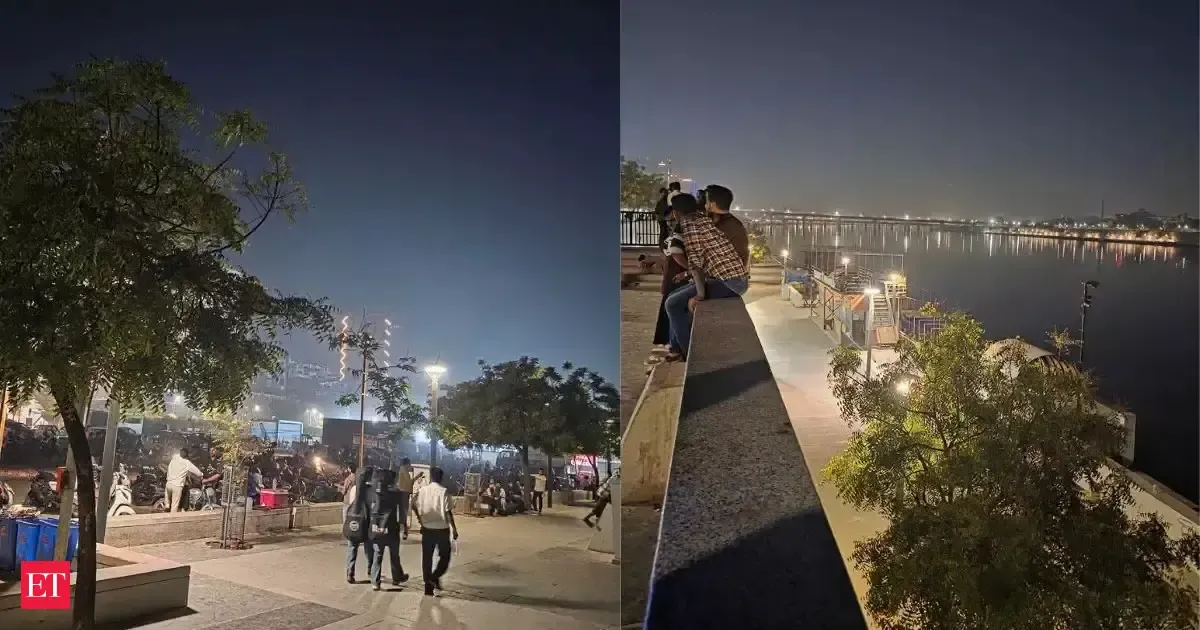
Kannan, a resident of Bengaluru, took to social media to share his thoughts on the nightlife in Ahmedabad, stating that the city is “buzzing for 1 AM with a very festive feel.” His post, which included photos taken around 1 AM, quickly went viral, garnering nearly 3.9 million likes and being viewed by over 336.7K users. Many netizens echoed his sentiments, praising Ahmedabad for its lively atmosphere and safety during late-night outings.
In his post, Kannan expressed a desire for a similar environment in Bengaluru, where people could enjoy late-night activities without the fear of police interference. He remarked, “I wish we had a place in Bangalore where we could walk out at midnight around a central place without police breathing down your neck.” This statement resonated with many users who shared their experiences and frustrations regarding Bengaluru’s nightlife.
Supporters of Kannan’s views highlighted the family-friendly nature of Ahmedabad’s nightlife, noting that it is less focused on alcohol consumption compared to other cities. One user commented, “Ahmedabad is superb. The city is awake the entire night, and there are so many good places to eat even at midnight.” This perspective emphasizes a cultural vibe that many find appealing in Ahmedabad.
However, the post also sparked a defense of Bengaluru’s nightlife, with some users pointing out that the city still has vibrant areas for late-night activities. They mentioned specific locations, such as Brigade Road, which used to be lively at night. This comparison between public spaces in Ahmedabad and Bengaluru highlights the ongoing debate about urban nightlife and safety in Indian cities.
The discussion surrounding Kannan’s post reflects broader concerns about nightlife culture in India. As cities evolve, the expectations for safe and enjoyable nighttime experiences continue to change. Kannan’s observations have opened the floor for further dialogue on how urban environments can adapt to meet the needs of their residents.
Details remain unconfirmed regarding any potential changes to nightlife policies in Bengaluru or how city officials might respond to the growing demand for more vibrant late-night spaces. As the conversation continues, it remains to be seen how these discussions will influence the future of nightlife in both Ahmedabad and Bengaluru.