Rising Oil Prices Prompt G7 Discussion
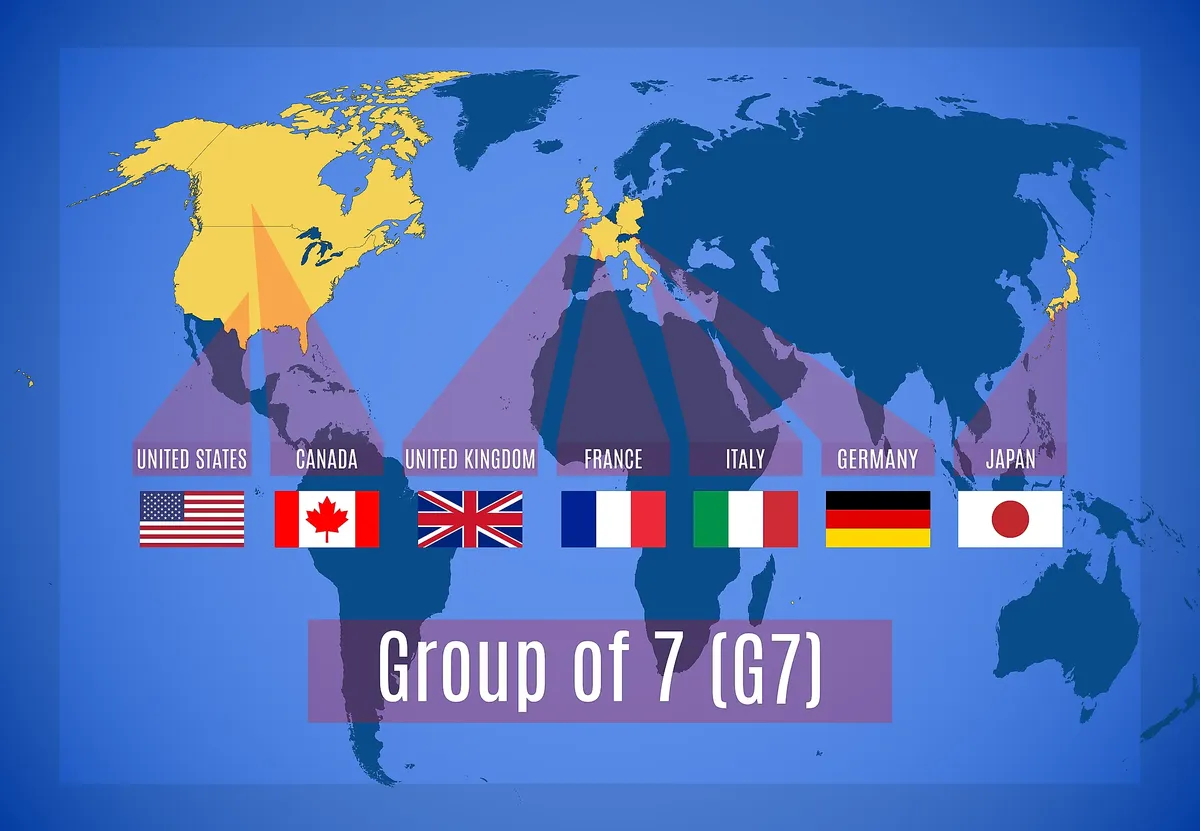
On March 9, 2026, the G7 Finance Ministers convened to address the escalating oil prices resulting from the ongoing conflict in the Middle East. The situation intensified following U.S. and Israeli strikes on Iran, which began on February 28, 2026. As a consequence, oil prices surged more than 25% on the day of the meeting.
Brent crude prices reached a peak of $116.71 per barrel before easing to $110, while WTI crude prices climbed to $116.45 per barrel before declining to nearly $107. This dramatic increase in oil prices has raised concerns among G7 countries, particularly regarding the impact on their economies.
In response to these developments, three G7 countries, including the U.S., expressed support for a joint release of emergency oil reserves. The G7 ministers planned to hold a call with Fatih Birol, the Executive Director of the International Energy Agency (IEA), to discuss the implications of the Iran war on global oil markets.
The IEA member countries currently hold over 1.24 billion barrels of public emergency reserves, which are part of a collective emergency mechanism established in 1974 following the Arab oil embargo. Historically, the IEA has coordinated five collective releases of emergency oil stocks since its inception.
Some U.S. officials have suggested that a coordinated release of approximately 300 million to 400 million barrels could be appropriate to stabilize the market. Higher oil prices not only raise input costs but also worsen trade balances across importing economies, making the situation critical for G7 countries.
The discussions among the G7 ministers highlight the urgency of addressing the rising oil prices and their economic repercussions. The outcome of these talks could significantly influence energy policies and international relations moving forward.
As the situation develops, the G7 countries are faced with the challenge of balancing energy security and economic stability in light of the ongoing conflict in the Middle East. The decisions made in the coming days will be crucial for the global oil market and the economies of the G7 nations.
Details remain unconfirmed regarding the exact measures that will be implemented following the discussions among the G7 ministers. However, the focus on a coordinated response underscores the importance of collaboration among these nations in addressing global energy challenges.