Nishant Kumar joins JD(U)
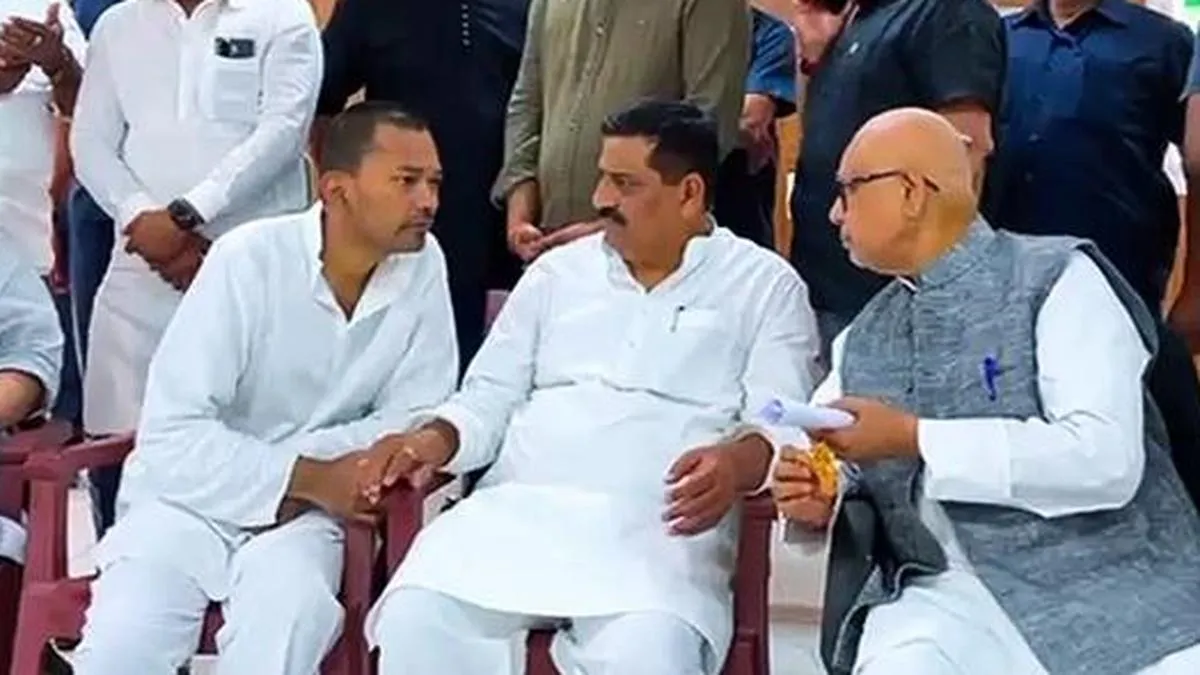
Nishant Kumar has officially joined the Janata Dal (United) (JD(U)), raising questions about his future role in Bihar politics. This move marks a significant moment as he is the son of Bihar Chief Minister Nitish Kumar.
At 50 years old, Nishant Kumar was born on July 20, 1975, and has an engineering degree from the Birla Institute of Technology (BIT), Mesra. His induction into JD(U) took place at the party headquarters in Patna, where several senior party leaders were present.
During the event, Nishant Kumar expressed his commitment to continuing the developmental works initiated by his father, stating, “I’ll try to take forward what my papa (Mr. Nitish Kumar) has done for the people of Bihar… will try to take it (the developmental works) to the people of Bihar.” He emphasized that his decision to join the party was influenced by his father’s personal decision, saying, “Today I’ve come here to join JD(U), and it was my father’s personal decision which I’ve accepted…we all will work under the direction of my father.”
Nishant Kumar’s entry into politics comes shortly after Nitish Kumar filed his nomination for the Rajya Sabha, indicating a possible strategic alignment within the party. Sanjay Jha, the National Working President of JD(U), welcomed him, highlighting the party’s focus on youth engagement with the slogan, “Yuva Soch, Majboot Sankalp (Think young with strong determination).”
His joining also sparked positive sentiments among party members, with one remarking, “Nishant hain to nischint hain (when Nishant Kumar is around, we’re all assured).” This reflects the confidence placed in him by the party’s leadership.
It is noteworthy that Nishant Kumar had remained outside of politics for decades before this significant step. His background and familial ties to Nitish Kumar may provide him with a unique perspective as he navigates this new role.
Details remain unconfirmed regarding the speculation about Nishant Kumar potentially becoming the Deputy Chief Minister of Bihar, which could further shape the political landscape in the state.