Background of the Conflict
The conflict between Israel and Iran has escalated significantly, extending beyond their borders to involve the Gulf region, Lebanon, and Iraq. Tensions have been mounting for years, with both nations engaging in proxy wars and military posturing. The recent developments mark a critical juncture in this long-standing rivalry, as military actions have intensified, leading to grave humanitarian consequences.
Recent Developments
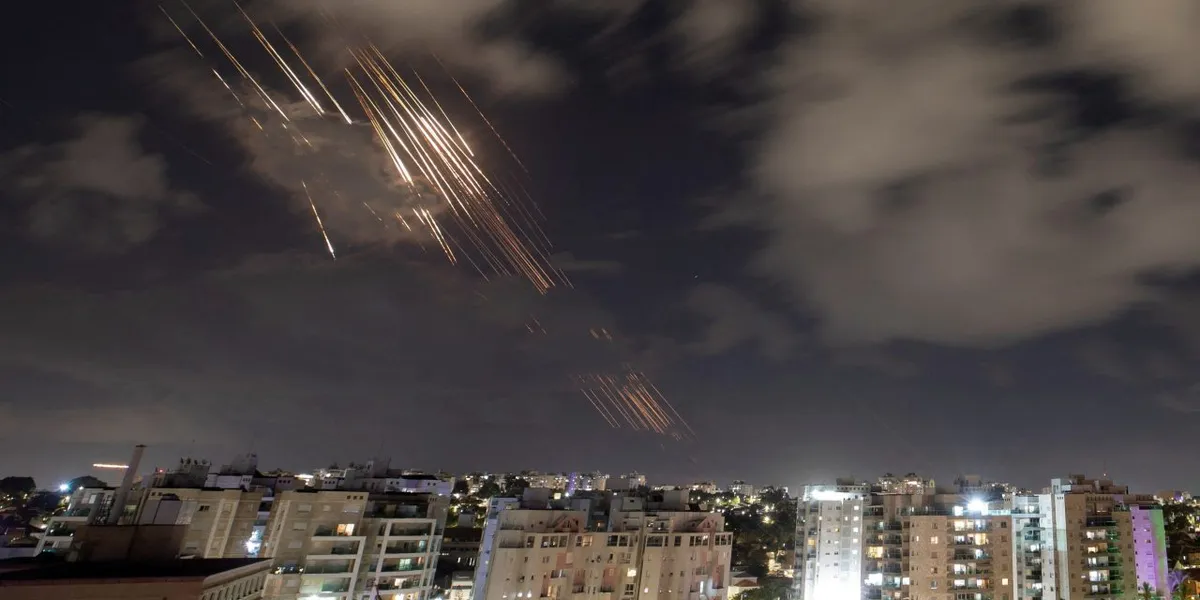
On March 8, 2026, the situation took a dramatic turn as the United States and Israel launched large-scale strikes on Iran, targeting key infrastructure such as oil storage depots and refining facilities. Since the initiation of these attacks on February 28, at least 1,332 people have been reported killed, highlighting the severe impact of the ongoing military operations.
Casualties and Humanitarian Concerns
The conflict has also resulted in significant civilian casualties. A recent attack on a primary school in southern Iran led to the deaths of at least 160 individuals, prompting Human Rights Watch to call for an investigation into what they describe as a potential war crime. The humanitarian toll continues to rise, with the death toll from Iranian attacks on the United Arab Emirates now reaching four. Additionally, six American service members have been killed in Iranian strikes, further complicating the situation.
Military Responses and Threats
In response to the escalating violence, Iran’s military has confirmed that the Strait of Hormuz remains open but has issued warnings that it will target US or Israeli ships attempting to navigate through the strategic waterway. This announcement raises concerns about potential disruptions to global oil supplies, especially as Brent crude oil prices have surged by 27% during the conflict.
Statements from Key Officials
US Defense Secretary Pete Hegseth has issued a stark warning to Iran, stating, “If you kill Americans, if you threaten Americans anywhere on earth, we will hunt you down without apology and without hesitation, and we will kill you.” This statement underscores the United States’ commitment to protecting its personnel and interests in the region. Meanwhile, US President Donald Trump has expressed his disapproval of Iran’s new supreme leader, Mojtaba Khamenei, stating, “Khamenei’s son is unacceptable to me,” indicating a lack of confidence in the new Iranian leadership.
Regional Implications
The conflict’s ramifications extend beyond the immediate military engagements. The Gulf Cooperation Council and the Arab League have been closely monitoring the situation, as regional stability hangs in the balance. The Saudi government has already taken action by foiling an attack on Riyadh’s diplomatic quarter and intercepting several drones in its airspace, reflecting the heightened state of alert among Gulf nations.
Looking Ahead
As the conflict continues to unfold, the exact number of casualties and the full extent of damage remain unclear. Observers are concerned about the potential for further escalation, which could have dire consequences for the region and beyond. The international community is urged to seek diplomatic solutions to prevent further loss of life and to stabilize the volatile situation.