The Evolution of Horror Movies: From Real-Life Inspirations to Modern Parodies
Horror movies have consistently captivated audiences, often drawing from real-life events to create chilling narratives. Notably, Alfred Hitchcock’s film ‘The Birds’ was inspired by a bizarre incident in California where sooty shearwaters attacked people. This blending of reality and fiction has been a hallmark of the genre, allowing filmmakers to explore the darker aspects of human nature and societal fears.
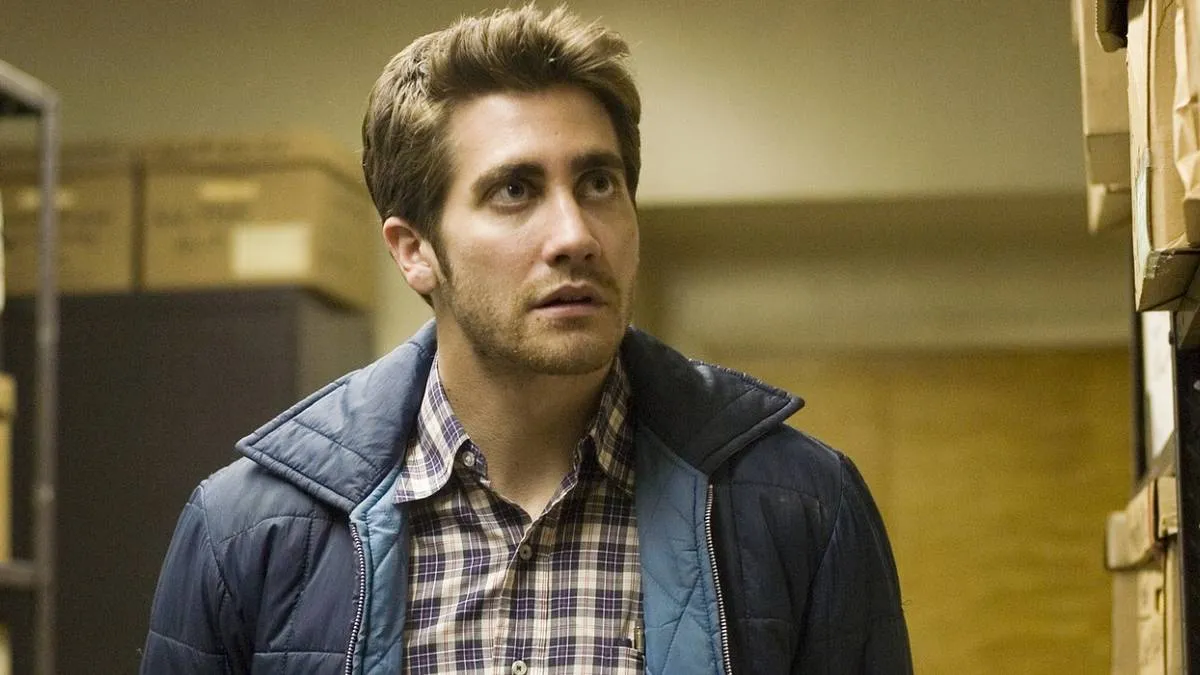
Another significant influence on horror cinema is the notorious Zodiac Killer, who terrorized the San Francisco Bay Area in the late 1960s. David Fincher’s film ‘Zodiac’ approached this chilling case with empathy for the victims, showcasing how real-life horrors can be transformed into compelling storytelling. The film’s nuanced portrayal of the investigation highlights the emotional realities that often underpin horror narratives.
Wes Craven’s ‘A Nightmare on Elm Street’ also draws from real events, as it was inspired by the tragic death of a Cambodian refugee child. This connection to actual experiences adds depth to the horror, allowing audiences to engage with the material on a more personal level. Such inspirations underscore the genre’s ability to reflect societal anxieties and the human psyche.
The influence of real-life events extends to films like ‘I Drink Your Blood’, which was shaped by the infamous Manson Family murders. Similarly, ‘The Strangers’ is marketed as being based on true stories related to these murders, further blurring the lines between fact and fiction. This trend of drawing from real-life horrors continues to resonate with viewers, creating a sense of unease that lingers long after the credits roll.
In contemporary cinema, the ‘Scary Movie’ franchise has taken a different approach by parodying popular horror films. The upcoming ‘Scary Movie 6’ pokes fun at recent hits like ‘Get Out’ and ‘Sinners’, while also incorporating characters like Ghostface, who appears in both the ‘Scream’ franchise and the parody series. This blending of humor and horror reflects the genre’s evolution and its ability to adapt to changing audience expectations.
Stephen King, a prolific author known for his contributions to horror literature, has also influenced the genre through his works. His script for ‘Desperation’, featuring Ron Perlman as a mass-murdering sheriff, exemplifies the dark themes that permeate his narratives. King’s novels, including ‘The Regulators’, often explore the complexities of human nature, making them timeless pieces that continue to resonate with readers and filmmakers alike.
As horror movies evolve, they remain a mirror reflecting societal fears and emotional realities rather than merely presenting literal interpretations. This unique characteristic allows the genre to remain relevant and impactful, engaging audiences in discussions about the darker aspects of life. The interplay between real-life inspirations and fictional narratives continues to shape the landscape of horror cinema.
First reactions to the latest trends in horror films highlight a growing appreciation for the genre’s depth and complexity. As filmmakers draw from historical events and societal issues, audiences are increasingly recognizing the emotional weight carried by these stories. The ongoing dialogue surrounding horror movies underscores their significance in contemporary culture, ensuring that the genre will continue to thrive and evolve in the years to come.