Significant Address at Santiniketan
“Moments like these remind us that the strength of democratic institutions lies not only in law, but also in the culture of respect that surrounds them,” stated Droupadi Murmu, India’s first tribal President, during her speech at the International Santhal Conference held at Visva-Bharati University on March 7, 2026. This statement resonated deeply within the context of her visit, which was marked by a last-minute venue change due to a lack of permissions.
Murmu’s presence at the conference highlighted the importance of cultural identity and representation in India’s democratic framework. The event, which aimed to celebrate and discuss the contributions of the Santhal community, was a significant gathering for promoting awareness and appreciation of tribal cultures in India.
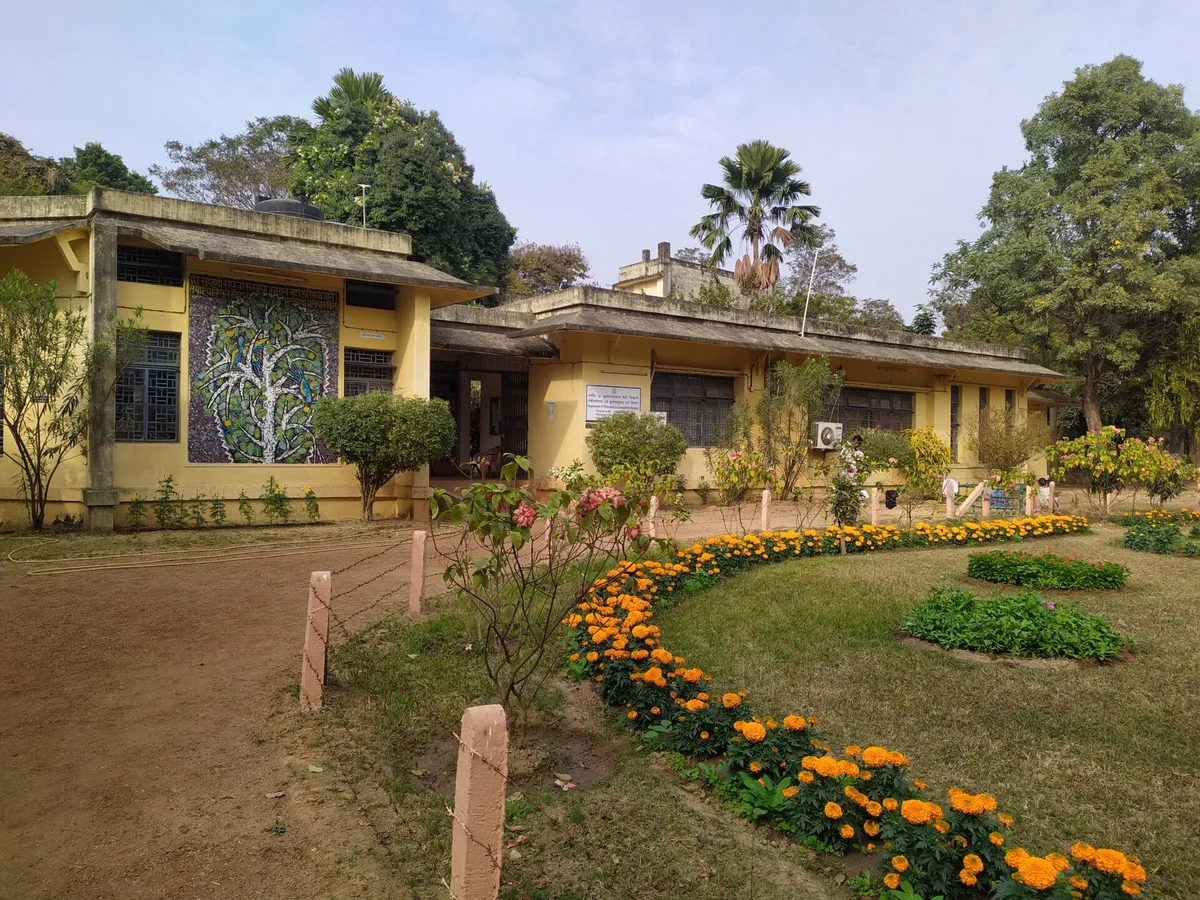
Prior to the conference, the atmosphere was charged with anticipation, especially given the historical significance of Santiniketan as a center for art and culture, founded by Rabindranath Tagore. The university has long been a beacon of progressive thought and artistic expression, making it a fitting location for discussions on cultural heritage.
In a related context, the legacy of Nandalal Bose, a prominent artist associated with Santiniketan, was also brought to the forefront. Bose staged a visual coup at a political gathering in Haripura, Gujarat, in 1938, where he created 77 posters depicting the life of the soil for the masses. These works were intended to be accessible and to decolonize the Indian mind through art.
As part of the ongoing celebration of Bose’s contributions, an exhibition titled ‘Colours of Swades’ will be held at the National Gallery of Modern Art from March 9 to April 9, showcasing how technology can reinterpret his works. Nidhi Choudhari, a curator of the exhibition, remarked, “The Haripura panels were never intended to be museum objects in the conventional sense. Technology is a tool of interpretation. It helps visitors step closer into the world Bose imagined.”
Murmu’s disappointment over the absence of West Bengal’s Chief Minister and senior ministers during her visit underscores the ongoing challenges faced in fostering a collaborative political environment that respects cultural diversity. Her remarks at the conference serve as a reminder of the need for unity and respect among various stakeholders in the democratic process.
As the discussions at the International Santhal Conference continue, the focus remains on how cultural narratives can shape and strengthen democratic institutions in India. The interplay between art, culture, and politics in Santiniketan serves as a powerful example of this dynamic, reflecting the ongoing relevance of Bose’s vision in contemporary society.