What does Mahila Divas signify for women’s representation in India?
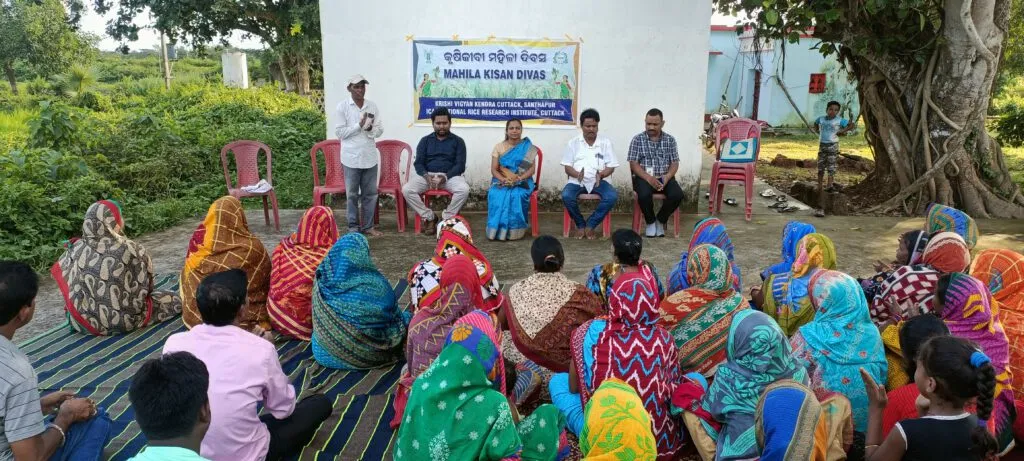
Mahila Divas, celebrated on March 8, raises critical questions about the progress and challenges of women’s representation in India. The event underscores the achievements of women while advocating for gender equality. In recent years, there has been a notable increase in the participation of women in politics, yet significant gaps remain.
Progress in Women’s Political Participation
The proportion of women contesting Lok Sabha elections in India has risen from a mere 3% in 1957 to 10% in 2024. This gradual increase reflects a growing recognition of the importance of women’s voices in governance. The total number of elected women members in the Lok Sabha has also seen a rise, from 22 in the first Lok Sabha to 78 in the 17th Lok Sabha and 74 in the 18th Lok Sabha, representing 13.6% of the total members.
Current Landscape of Women’s Representation
As of now, the Lok Sabha comprises 14% women members, while globally, the average stands at 27%. In the Rajya Sabha, the number of women members has increased from 15 in 1952 to 42, accounting for about 17% of the total members. This disparity highlights the ongoing challenges women face in achieving equal representation.
Significant Legislative Changes
In 2023, the Indian Parliament passed the Constitution (One Hundred and Sixth Amendment) Act, which reserves one-third of all seats for women in the Lok Sabha and State Legislative Assemblies. This landmark legislation is expected to come into effect after the next nationwide census and subsequent delimitation exercise, with implementation projected for the 2029 general elections. Such measures aim to enhance women’s representation in political spheres.
Women in Local Governance
India boasts approximately 14.5 lakh Elected Women Representatives (EWRs) in Panchayati Raj Institutions (PRIs), constituting about 46% of the total elected representatives. This significant representation at the local level demonstrates the potential for women’s leadership and decision-making in governance.
Political Parties and Women’s Representation
Political parties in India have varied records regarding women’s representation. The All India Trinamool Congress (TMC) stands out with over 37% of its members being women. In contrast, questions remain about the representation of women in the largest political parties, as highlighted by Derek O’Brien, who asked, “How many women MPs do the biggest five political parties have in Parliament?” This inquiry underscores the need for greater accountability and action from political organizations.
Historical Context and Future Outlook
Historically, figures like Indira Gandhi, who served as Prime Minister from 1966 to 1977 and again from 1980 until her assassination in 1984, have paved the way for women’s leadership in India. Gandhi’s legacy is often referenced in discussions about women’s roles in politics, with her once stating, “I consider it an insult… Why should I be considered a man when I am not?” This sentiment reflects the ongoing struggle against gender stereotypes in leadership.
Conclusion and Future Challenges
As we celebrate Mahila Divas, it is essential to acknowledge both the progress made and the challenges that lie ahead. Currently, only six countries have achieved 50% or more women in parliament in single or lower houses, and globally, 16% of presiding officers are women. The journey towards gender equality in political representation continues, and details remain unconfirmed regarding the full impact of recent legislative changes. The commitment to empowering women in politics must remain a priority as India moves forward.