Introduction
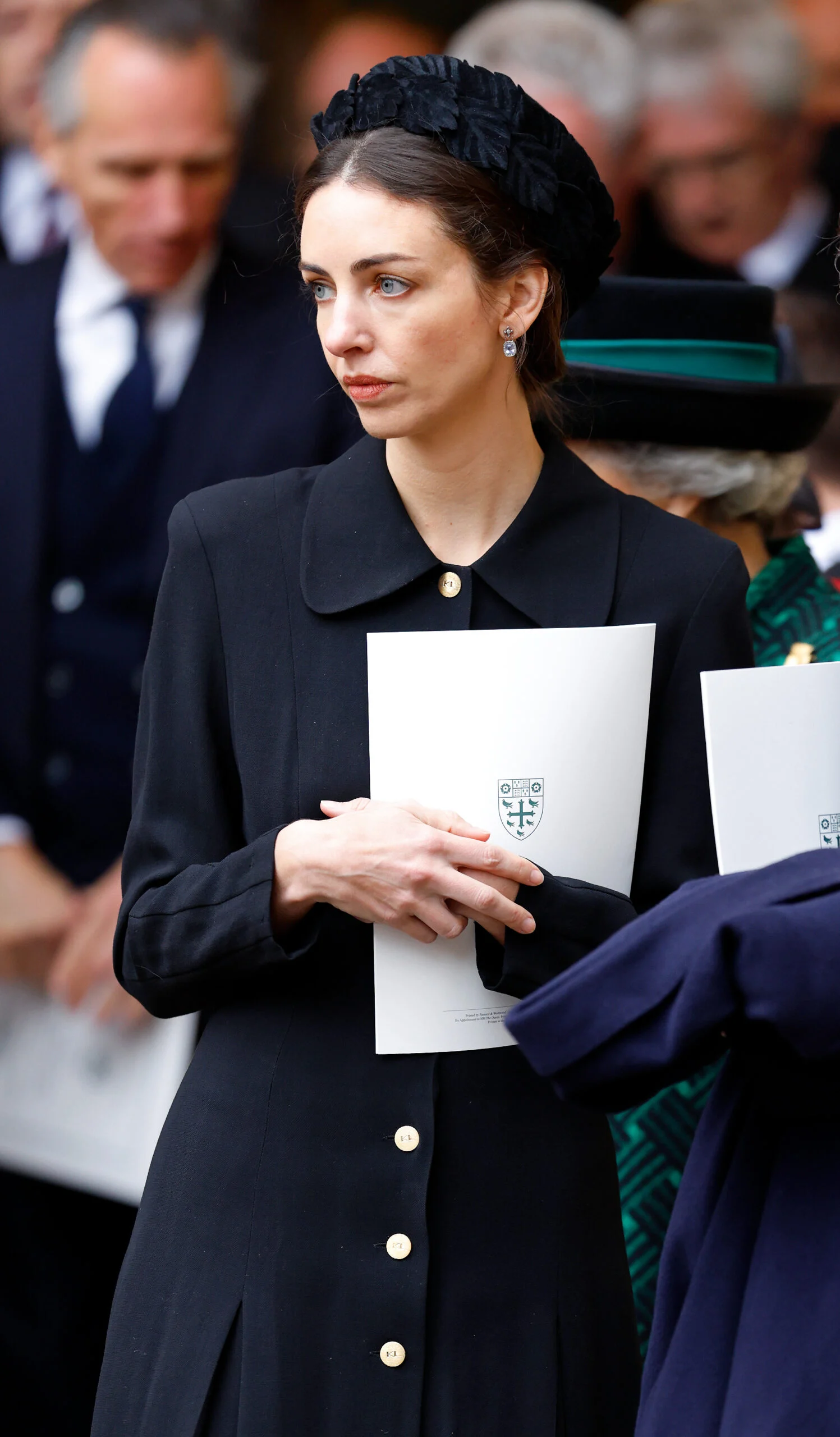
Rose Hanbury, the Marchioness of Cholmondeley, has emerged as a prominent figure in the British aristocracy and is known for her connections within royal circles. Her role has gained increased attention, especially in the context of the evolving landscape of the British aristocracy and its relevance to contemporary society. As society undergoes rapid changes, understanding the influence of such figures is essential to comprehending the relationship between modernity and tradition.
Background Information
Born on March 15, 1984, Rose Hanbury is a member of the British upper class, married to David Cholmondeley, the 7th Marquess of Cholmondeley, who serves as the Lord Great Chamberlain. The couple resides at Houghton Hall in Norfolk, a historic site associated with British nobility. Rose Hanbury’s family ancestry includes important connections to both British and American aristocracy, notably her maternal line, which has roots in the influential family of the late American furniture designer and philanthropist.
Public Appearances and Influence
In recent years, Rose has garnered public interest not only due to her title but also because of her involvement in public engagements and charity work. She has been spotted at various official events, often alongside members of the royal family. This visibility has prompted discussions about her potential role within royal circles, particularly as the monarchy navigates modern challenges and strives to remain relevant in the lives of everyday citizens.
Analysts highlight her commitment to charity and social causes, emphasising her contributions to the arts and education. For instance, her work with the ‘Art for Great Ormond Street Hospital’ showcases her dedication to philanthropic pursuits, while her attendance at various royal functions illustrates the merging of historical aristocracy with current societal issues.
Current Relevance
The evolving role of noble titles and the perception of British aristocracy in the contemporary age has seen figures like Rose Hanbury act as bridges between the past and present. As the British royal family seeks to project an image of modernity, individuals like Hanbury embody ideals that resonate with a broader audience, challenging traditional views of nobility in a rapidly changing world.
Conclusion
Rose Hanbury represents a unique intersection of history, modern aristocracy, and public engagement. As the British aristocracy adapts to the current times, her influence may serve as a model for upcoming generations navigating both societal expectations and personal aspirations. In the near future, it will be intriguing to see how figures like Hanbury continue to shape public perceptions of the aristocracy while remaining intertwined with the royal family and their ongoing journey into the modern age.