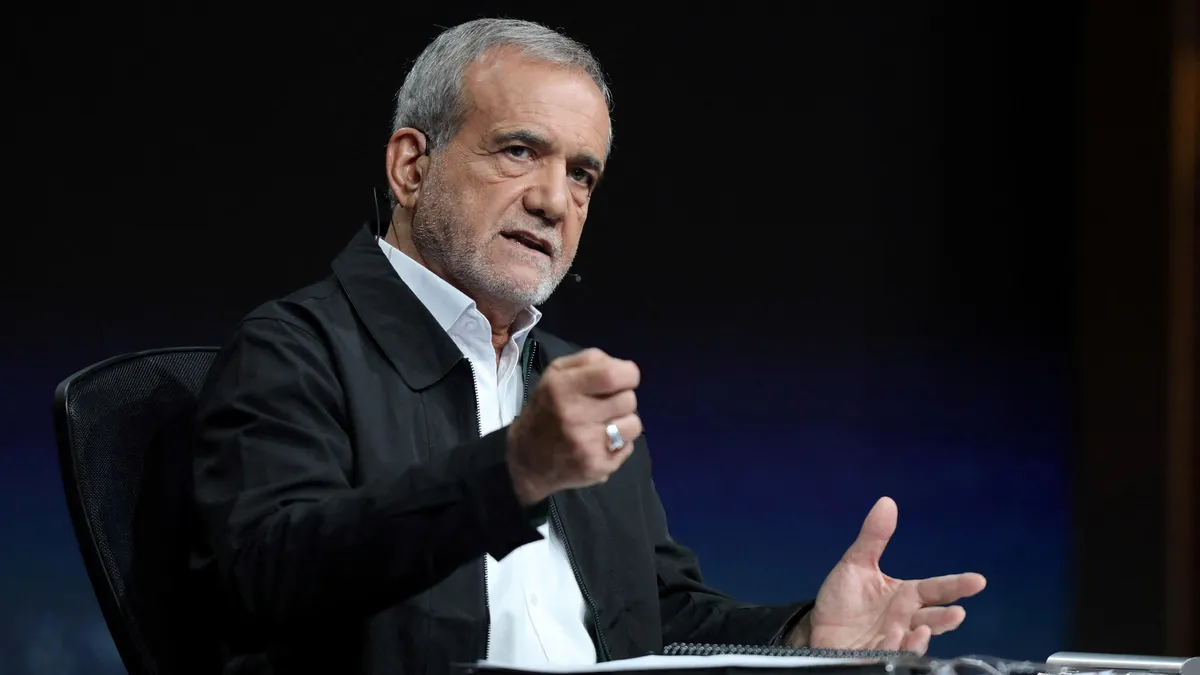
Iranian President Apologizes for Recent Strikes
On March 8, 2026, Iranian President Masoud Pezeshkian publicly apologized to neighboring countries for recent military strikes, asserting that Iran has no intention of invading other nations. This statement comes in the wake of escalating tensions in the region, particularly following a series of retaliatory airstrikes attributed to Iran’s Revolutionary Guards.
Immediate Circumstances and Reactions
Pezeshkian’s apology was accompanied by a declaration that neighboring countries would not be targeted unless provoked. However, the response from within Iran has been mixed. Judiciary Chief Gholam Hossein Mohseni-Ejei criticized the apology, suggesting that retaliatory strikes would continue despite the president’s reassurances. This internal discord highlights the complexities of Iran’s political landscape as the leadership council grapples with differing views on how to handle the ongoing conflict.
Wider Context of the Conflict
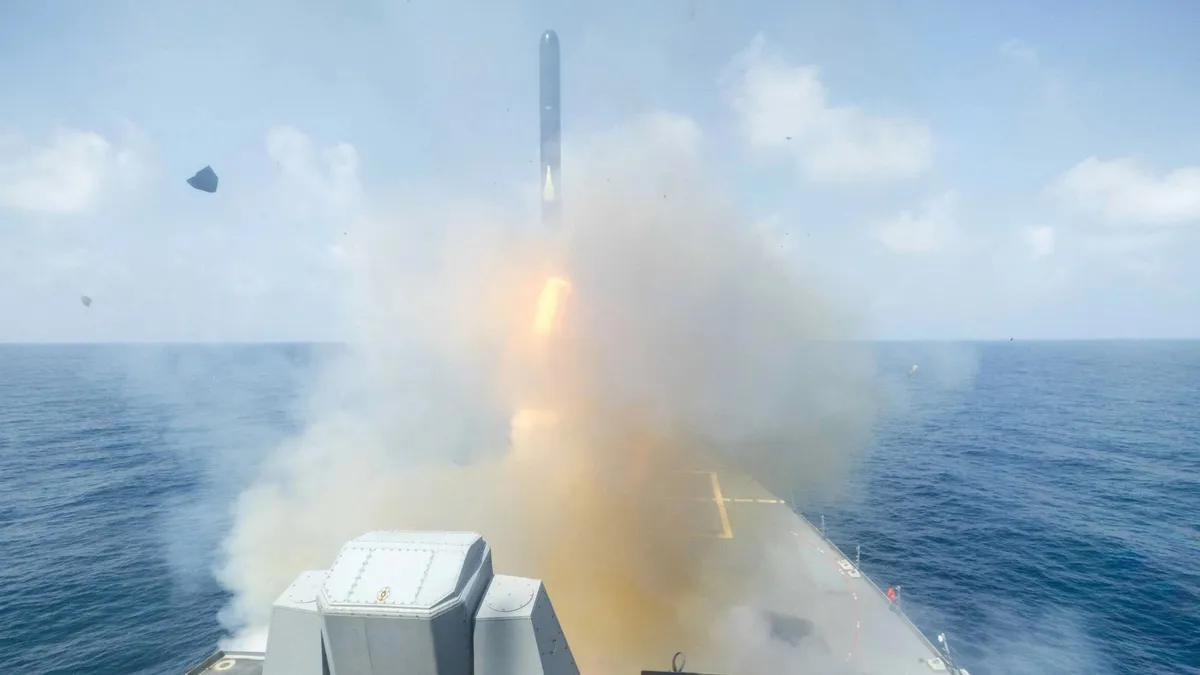
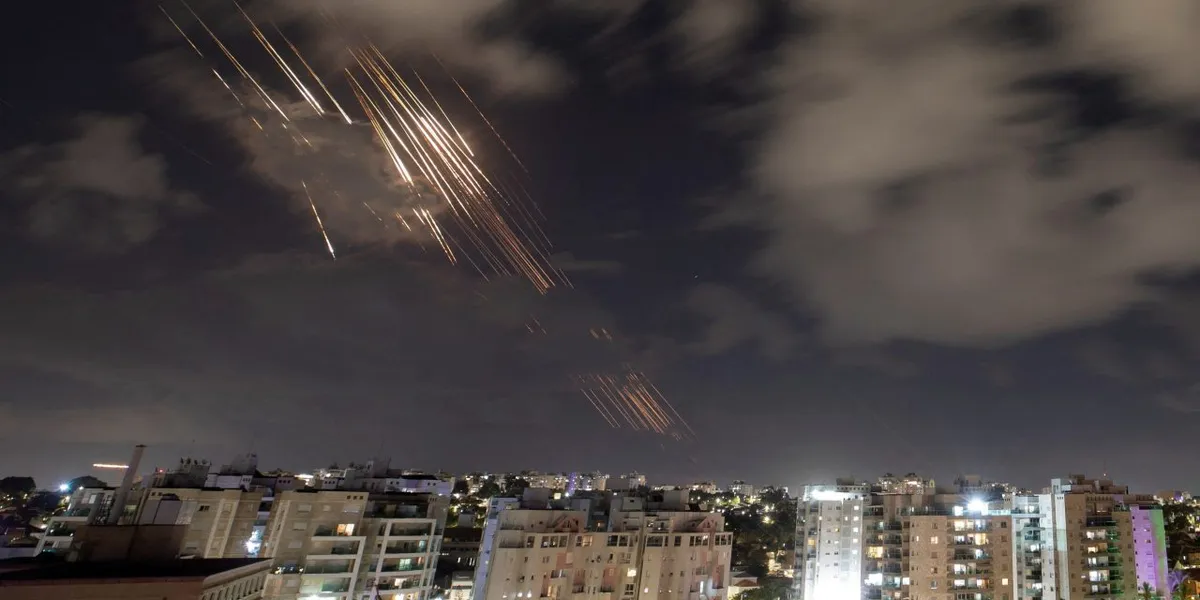
The backdrop to Pezeshkian’s remarks is a significant escalation in military actions in the region. Reports indicate that over 3,000 strikes have been conducted by US forces on targets inside Iran during Operation Epic Fury, with Iran’s UN ambassador stating that 1,332 Iranian civilians have been killed in US-Israeli air strikes. The conflict has evolved into a broader regional confrontation, involving airstrikes and drone attacks, raising concerns about stability in the Middle East.
Political Dynamics and US Relations
Iran’s Parliament Speaker Mohammad Bagher Ghalibaf has also weighed in on the situation, asserting that the presence of US military bases in the region is a significant barrier to peace. This sentiment reflects a widespread belief among Iranian officials that foreign intervention exacerbates tensions. Pezeshkian himself dismissed former President Donald Trump’s demands for Iran’s unconditional surrender as a ‘dream,’ indicating a firm stance against external pressures.
Internal Divisions and Military Control
The Iranian leadership council is reportedly divided on the approach to the ongoing conflict, with the Islamic Revolutionary Guard Corps (IRGC) maintaining control over ballistic missile operations targeting Israel. This division complicates Pezeshkian’s ability to navigate the diplomatic landscape, as the IRGC operates with a degree of independence from the president’s office.
First Reactions and Future Implications
Pezeshkian’s original statement was partially amended following backlash from hardliners within Iran, illustrating the delicate balance he must strike between addressing international concerns and appeasing domestic factions. As the situation develops, the potential for further military engagements remains high, with both sides preparing for continued confrontation.
As Iran grapples with internal dissent and external pressures, the future of its regional relations hangs in the balance. While Pezeshkian’s apology may signal a desire for de-escalation, the realities of the ongoing conflict and the influence of hardline factions suggest that tensions are likely to persist. Details remain unconfirmed regarding the full implications of these developments.