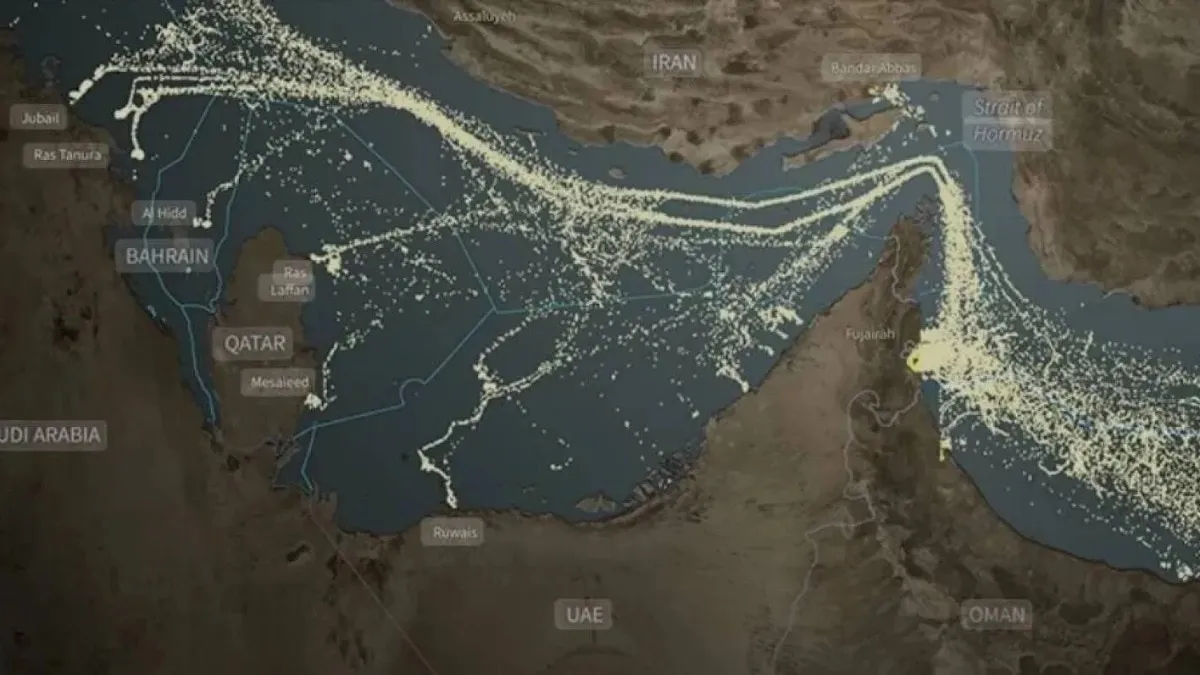
Current Situation in the Iran Hormuz Strait
The Strait of Hormuz has long been recognized as a critical maritime passage for global oil and liquefied natural gas shipments. Prior to recent developments, there was a general expectation of continued safe passage through this vital corridor.
However, the situation shifted dramatically as tensions escalated in the region. Reports emerged that Iran had closed the Strait, but these were swiftly denied by Iranian officials. Saeed Khatibzadeh, Iran’s Deputy Foreign Minister, stated, “We have not yet closed the Strait of Hormuz. If we are going to close it, we are going to announce it… It has not been closed by us. We have no intention to do it until further notice.” This statement marked a decisive moment in the ongoing conflict.
Despite the assurances, the reality on the ground is stark. Approximately 300 oil tankers are currently stranded in the Strait area due to the conflict, significantly disrupting maritime activity. The average number of crude tanker transits has dropped from 24 per day to just 4 on March 1, illustrating the immediate impact of the heightened tensions.
Furthermore, crude prices have surged more than 15 percent since the fighting began, reflecting the global market’s response to the uncertainty surrounding oil supply routes. The Islamic Revolutionary Guard Corps has asserted control over the Strait during wartime, stating, “In time of war, passage through the Strait of Hormuz will be under the control of the Islamic Republic.” This declaration adds another layer of complexity to the situation.
China is actively negotiating with Iran for safe passage of oil and LNG through the Strait, indicating the international ramifications of the conflict. The dynamics between these nations highlight the strategic importance of the Strait of Hormuz in global energy security.
As the situation evolves, the implications for the United States, Israel, and their allies remain uncertain. Iran’s government has announced that ships belonging to these nations will not be allowed to pass through the Strait, further escalating tensions.
Details remain unconfirmed regarding the exact timeline for negotiations between China and Iran, as well as how the ongoing conflict will affect future shipping activity through this crucial maritime corridor.
In summary, the Iran Hormuz Strait is currently at the center of a geopolitical crisis that could have far-reaching effects on global oil markets and maritime security. The situation remains fluid, with stakeholders closely monitoring developments in the region.