What is the current state of Cuba’s economy amidst rising tensions?
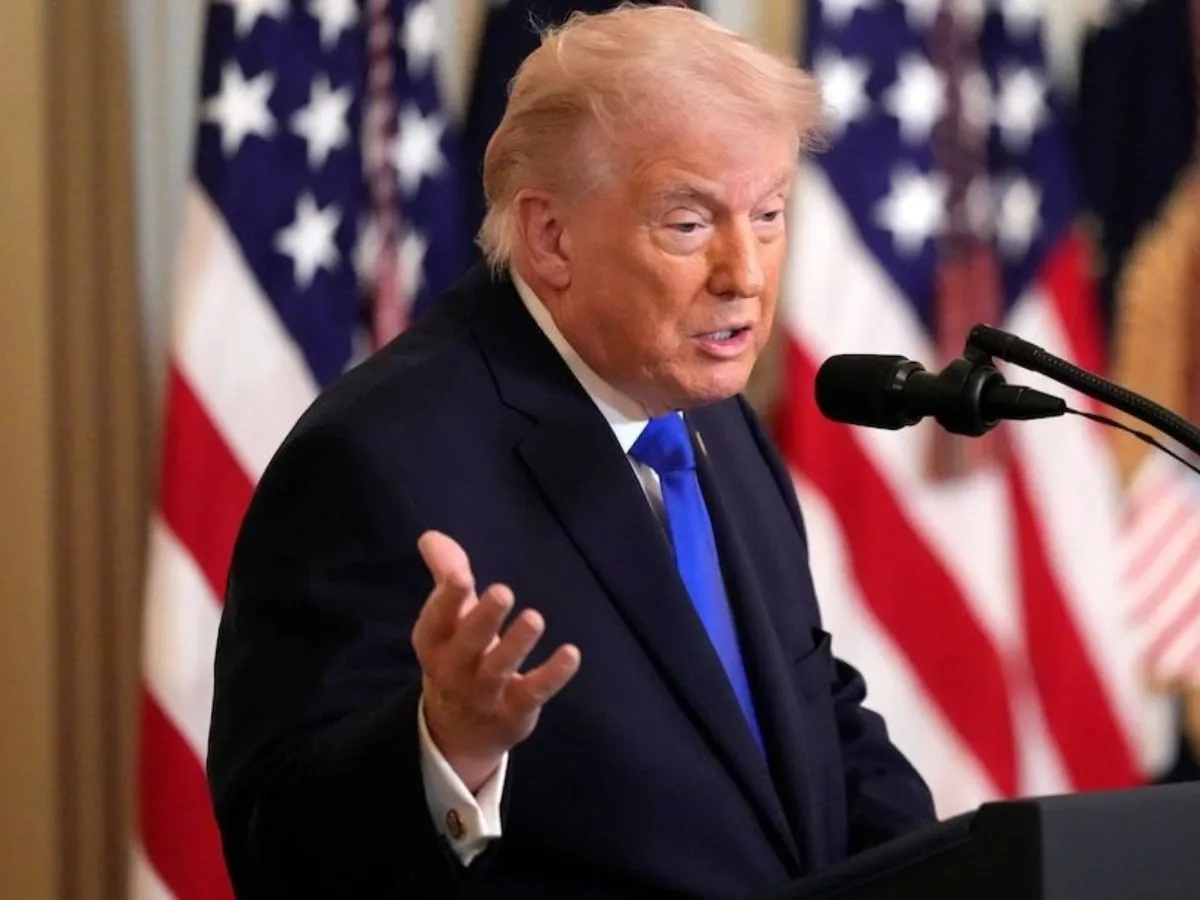
The question of how Cuba will navigate its deepening economic crisis is pressing as the island grapples with severe fuel shortages and the repercussions of US policy changes. The Cuban economy has contracted by 15 percent over the past five years, a situation exacerbated by the US imposing severe restrictions on trade, finance, and energy supplies. Recently, Donald Trump indicated that the US may shift its focus to Cuba after addressing the conflict with Iran, suggesting a potential change in diplomatic strategy.
What are the immediate challenges facing Cuba?
As of February 8, Cuban authorities announced that the island’s jet fuel supplies had run dry, leading to significant disruptions in transportation and commerce. The private taxi fares have skyrocketed due to fuel shortages, with petrol now selling for $8 per liter on the black market, representing a staggering 400 percent increase. This situation has made mobility increasingly difficult for the Cuban population, as noted by resident Rafael Mena, who stated, “Now we can go out, but you can’t really move around because it’s too expensive.”
How is the Cuban government responding to the crisis?
In response to the economic challenges, the Cuban government has implemented contingency plans, including ordering students to leave their universities. This drastic measure highlights the severity of the situation, as the government struggles to manage the fallout from the economic downturn. Daniel Torralbas, an economist, remarked, “This year will probably be one of the toughest for the Cuban economy since the revolution,” underscoring the gravity of the current circumstances.
What role does Venezuela play in Cuba’s economic situation?
Cuba’s economic crisis is further complicated by its reliance on Venezuelan oil, which has been a critical component of its energy supply. The US Department of the Treasury recently announced that it would allow the resale of some Venezuelan oil to Cuba for commercial and humanitarian use, a move that could provide some relief. However, the exact impact of the US oil blockade on Cuba’s economy remains unclear, leaving many to wonder how sustainable this support will be.
What historical context is important to understand this moment?
The relationship between the US and Cuba has been fraught with tension for decades, with political differences leading to severe restrictions imposed by the US government. This historical backdrop is crucial in understanding the current dynamics at play, as any shift in US policy could have significant implications for Cuba’s future. Trump has praised figures like Marco Rubio for their efforts regarding Cuba, indicating that US political leaders are closely monitoring the situation.
What uncertainties lie ahead for Cuba?
As Cuba faces these mounting challenges, uncertainties remain about how the Cuban government will respond to the ongoing economic crisis. Details remain unconfirmed regarding the long-term implications of US policy changes and the potential for improved relations. The situation is fluid, and the future of Cuba’s economy hangs in the balance as both domestic and international factors continue to evolve.