Introduction
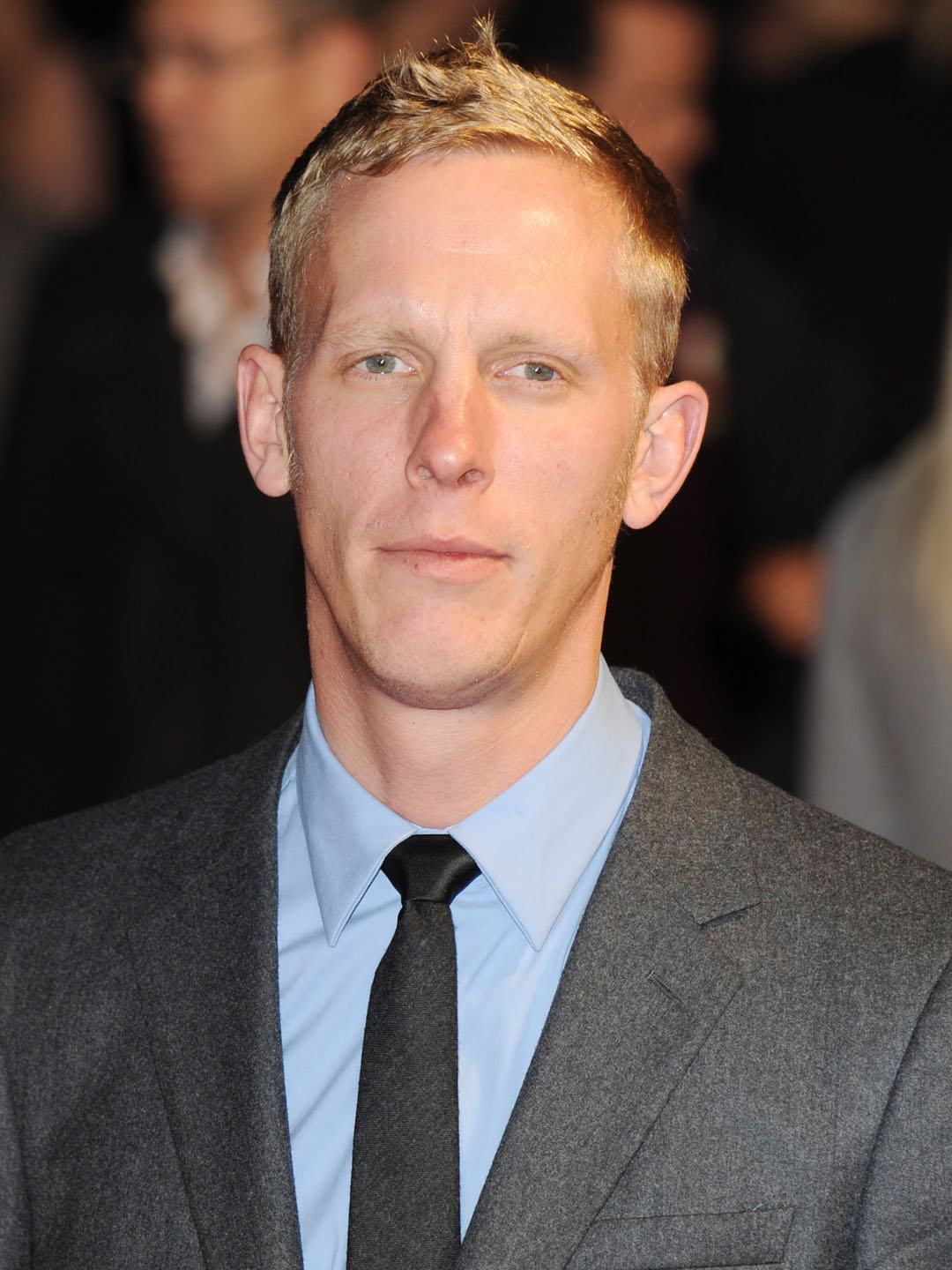
Laurence Fox, a British actor and political activist, has been a figure of considerable interest and controversy in recent years. Known for his role in the long-running TV series ‘Lewis,’ Fox has ventured beyond the realm of acting, firmly establishing himself as a polarising public figure. His outspoken views, particularly regarding politics and social issues, have sparked widespread debates, making him a relevant topic in today’s media landscape.
Career Highlights
Born on May 26, 1978, Laurence Fox hails from a family of actors, which paved the way for his entry into the entertainment industry. Fox gained significant acclaim for his portrayal of DS James Hathaway in ‘Lewis,’ which aired from 2006 to 2015. However, in recent years, he has shifted his focus towards activism, particularly in the arena of free speech, often asserting that political correctness stifles artistic expression.
Recent Controversies
In early 2020, Laurence Fox’s views exploded into the public consciousness when he appeared on the BBC’s ‘Question Time.’ During the broadcast, Fox made headlines for his aggressive defense of free speech, following a question from a female audience member about racism in the entertainment industry. His comments ignited a fierce debate on social media, with many supporting his stance while others condemned him for insensitive remarks.
Since then, Fox has consistently featured in news cycles, further fuelling controversies with his social media posts and public declarations. He established the political party ‘Reclaim,’ focusing on issues such as individual rights and freedom of speech, positioning himself against what he perceives as leftist ideologies. Most recently, he participated in a protest against the UK’s lockdown measures, where he made headlines once again.
Impact and Future Perspective
Laurence Fox’s increasing prominence in the political discourse highlights a growing split in public opinion regarding free speech and societal values. Whether celebrated or vilified, his candid approach has sparked necessary discussions about the boundaries of expression in contemporary society.
As Fox continues to navigate the complexities of his career, observers await to see how his activism will affect his acting opportunities and his influence on wider societal debates. His unapologetic stance means that he will likely remain relevant in discussions surrounding free speech and political conduct in the UK.
Conclusion
In conclusion, Laurence Fox exemplifies the challenges and opportunities that come with being an outspoken public figure. His journey from an established actor to a political activist illustrates the evolving landscape of both the entertainment industry and public discourse. Readers should consider the implications of his actions and views, as they resonate with larger societal themes regarding freedom of expression.