Introduction
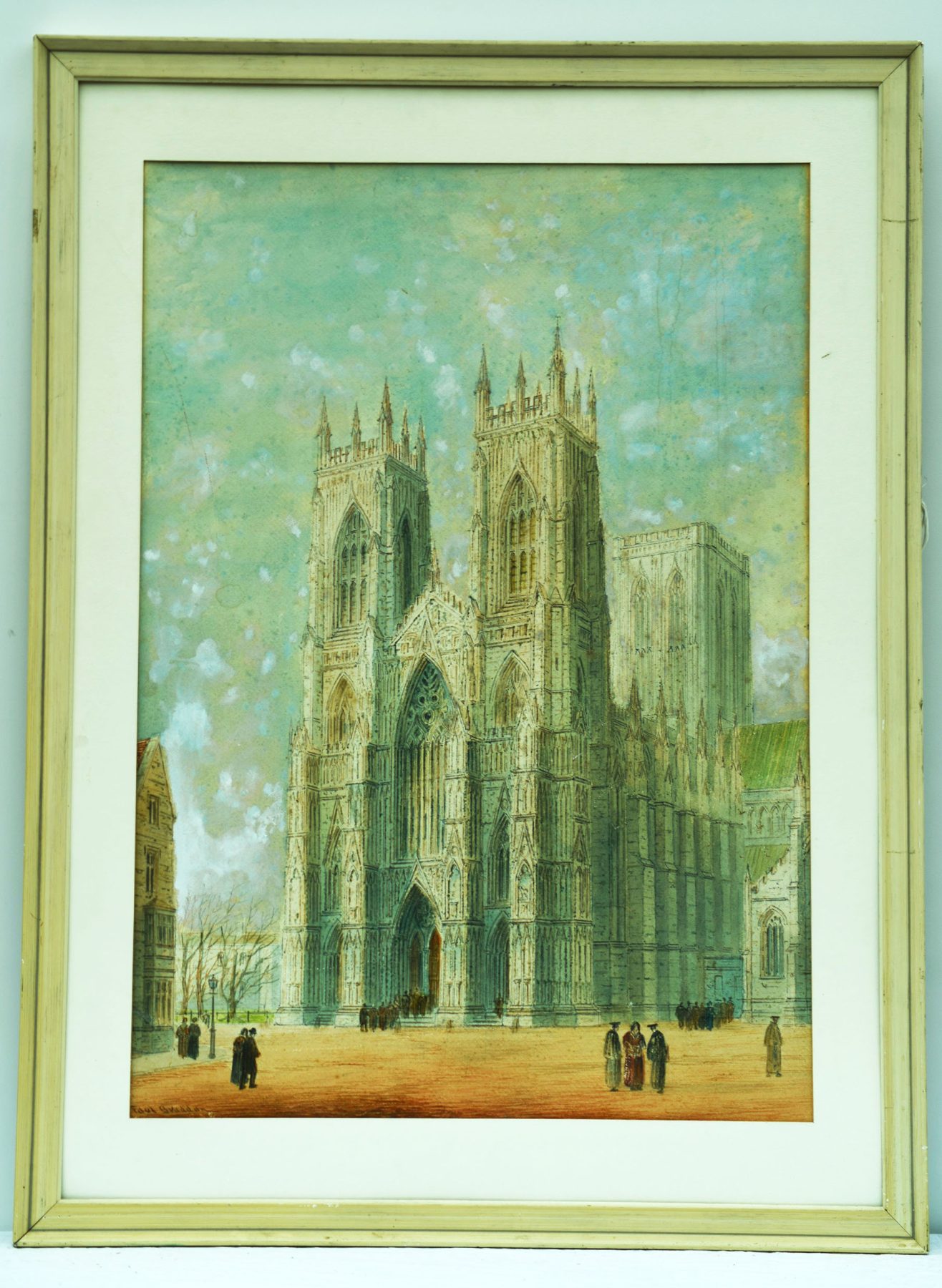
Westminster Cathedral, located in the heart of London, serves as the mother church of the Roman Catholic Church in England and Wales. Completed in 1903, it stands as an important symbol of faith, culture, and architecture, making it a significant landmark for both locals and tourists alike. The cathedral is renowned for its stunning Byzantine-style architecture and elaborate mosaic interiors, drawing thousands of visitors each year.
Historical Context
The cathedral’s history dates back to the late 19th century when there was a growing need for a Roman Catholic cathedral following the re-establishment of the Catholic hierarchy in England. Architect John Francis Bentley envisioned a design that would be both grand and evocative of early Christian architecture. Construction began in 1895 and took nearly a decade to complete. The use of London’s red brick and Bath stone, along with intricate mosaics, allowed the cathedral to become a striking feature of the London skyline.
Architectural Highlights
One of the most notable aspects of Westminster Cathedral is its distinctive dome, which rises 69 metres (226 feet) above the ground. This dome, inspired by St. Mark’s Basilica in Venice, is adorned with magnificent mosaics and provides an awe-inspiring view from within. The cathedral’s interior is equally impressive with over 32,000 square feet of intricate mosaics that narrate biblical stories and saints’ lives, making it a masterpiece of contemporary art in a historic setting.
Recent Events and Cultural Relevance
In recent years, Westminster Cathedral has played a significant role in various community and national events, including significant religious ceremonies and royal events. For instance, Pope Benedict XVI visited the cathedral in 2010 during his visit to the UK, further solidifying its status as a key place of worship. Its outreach programs and community engagement initiatives have helped to connect the cathedral with local communities, providing support and a sense of belonging to many.
Conclusion
Westminster Cathedral is not just a place of worship; it represents a vital part of Britain’s religious heritage and architectural legacy. As London continues to evolve, the cathedral remains a beckon of history and art, attracting visitors who are keen to witness its beauty firsthand. The significance of Westminster Cathedral in the cultural and spiritual fabric of the UK cannot be overstated, and it remains a crucial landmark as the country moves forward.