Introduction
Spotify, the leading music streaming service, has transformed the way millions consume music since its launch in 2008. With over 500 million active users worldwide, its influence on the music industry and consumer behaviour cannot be overstated. As we delve into the current events surrounding Spotify, it is crucial to understand its role and significance in shaping the future of music consumption.
The Rise of Spotify
Founded in Stockholm, Sweden, by Daniel Ek and Martin Lorentzon, Spotify began as a solution to music piracy and an effort to provide a legal alternative for music lovers. What started as a closed beta project quickly gained traction, leading to its official launch in October 2008. The platform disrupted traditional music distribution models, pushing major labels to adapt to the digital landscape.
Current Status and Expansion
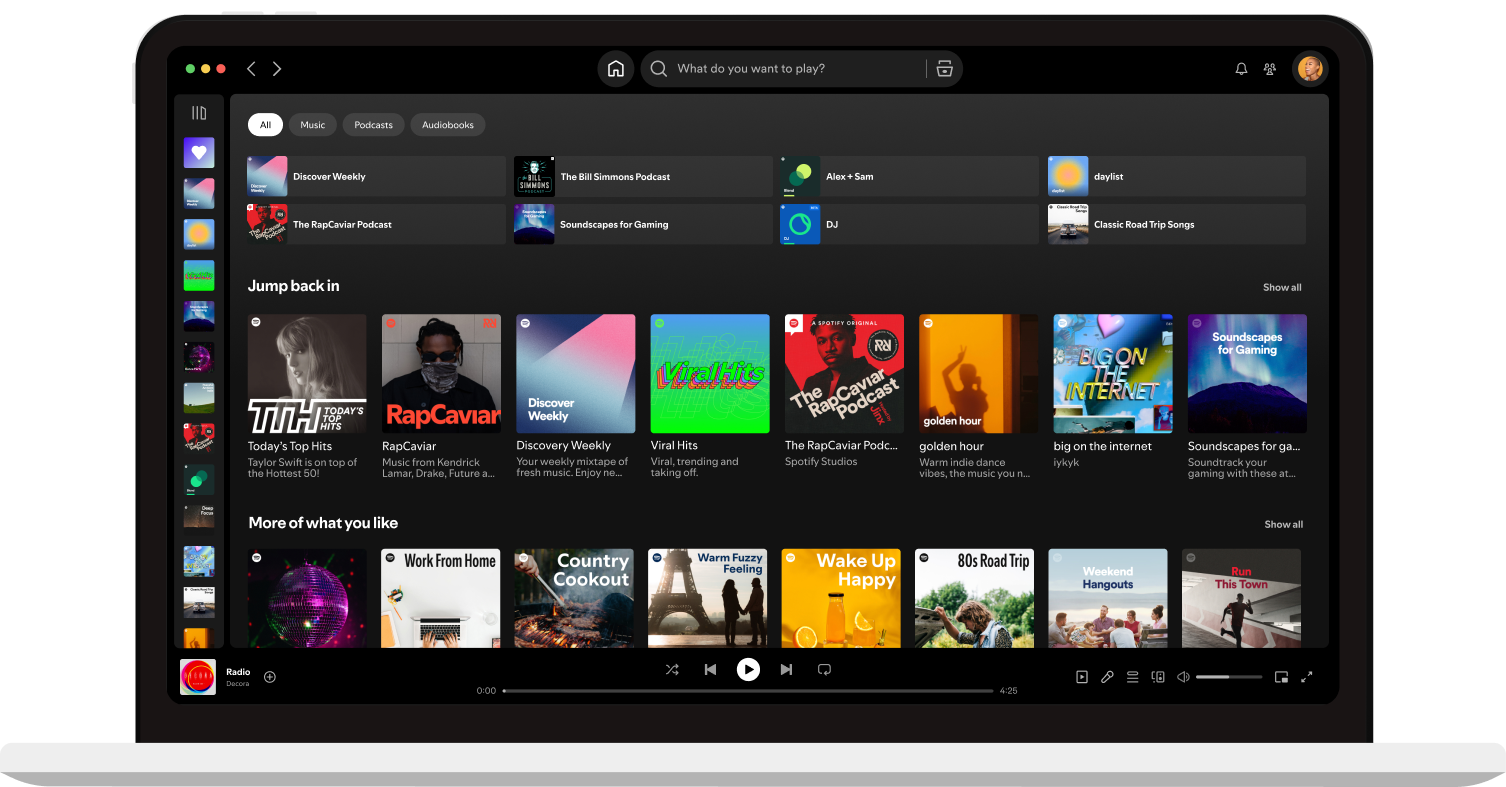
As of 2023, Spotify continues to lead the streaming market with innovations like personalised playlists and podcasts. The company reported in its latest quarterly earnings that it has surpassed 500 million users, an increase from the 400 million reported last year. This growth reflects Spotify’s commitment to enhancing user experience and expanding its content library. Recently, the platform has invested heavily in podcasting, acquiring companies like Gimlet Media and Anchor, which has positioned Spotify as a major player in the podcasting arena.
Recent Developments
In 2023, Spotify launched a new feature allowing artists to directly sell merchandise through their profiles, which is a significant addition aimed at creating new revenue streams for musicians. Additionally, Spotify has rolled out tools to encourage artists to engage with fans, including live event planning features and enhanced analytic tools for creators. This initiative demonstrates Spotify’s continued effort to empower artists while increasing listener interaction.
Conclusion
Looking ahead, Spotify’s focus on diversification, including expanding into audiobooks and enhancing the podcasting experience, indicates a commitment to remain at the forefront of the streaming revolution. As competition grows, particularly from platforms like Apple Music and Amazon Music, Spotify’s strategic innovations will be essential in retaining its user base and staying relevant in a rapidly changing industry. The future of music consumption is undoubtedly exciting, and Spotify’s trajectory will be crucial in shaping that landscape.