Introduction
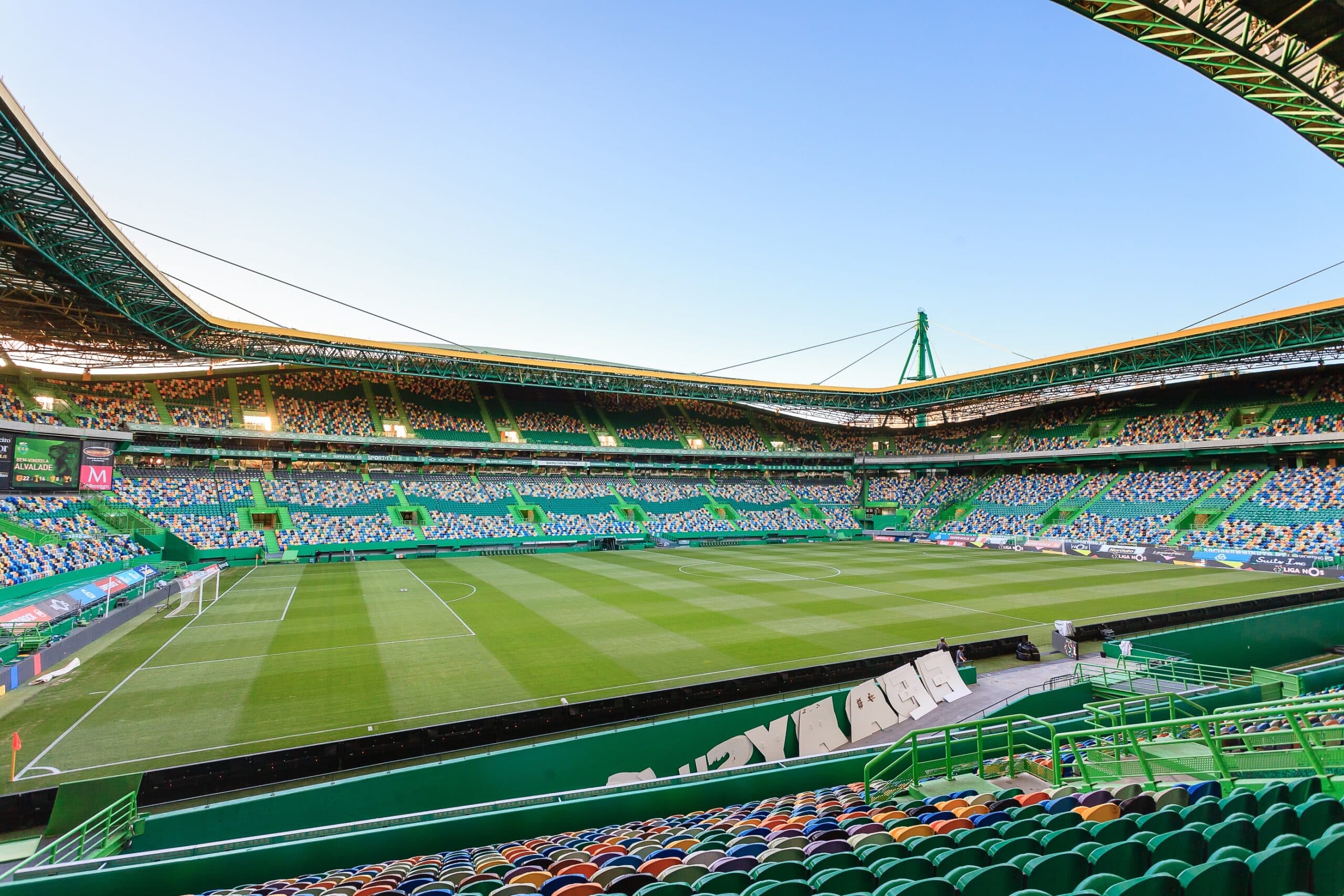
Sporting Lisbon, officially known as Sporting Clube de Portugal, is one of the major football clubs in Portugal. Established in 1906, the club has been a cornerstone of Portuguese football, contributing significantly to its rich history. With a strong youth academy and a passionate fanbase, Sporting Lisbon has produced numerous players who have excelled in domestic and international football. This article delves into the club’s significance, recent developments, and what the future holds for this prestigious institution.
Recent Achievements
In recent years, Sporting Lisbon has been enjoying a revival in its fortunes. The pinnacle of their recent success came in the 2020-2021 season when they clinched the Primeira Liga title for the first time in 19 years. Under the management of Ruben Amorim, the club achieved a remarkable season, finishing with 82 points, eight points clear of their nearest rivals, FC Porto. This triumph not only reinstated Sporting’s position at the top of Portuguese football but also infused a new sense of hope among its supporters.
Moreover, Sporting has been consistently competing in European tournaments, showcasing their talent on an international stage. Their participation in the UEFA Champions League has been notable, giving them the opportunity to face some of Europe’s elite clubs and further enhance their profile.
Significance of the Youth Academy
One of the critical aspects of Sporting Lisbon’s identity is its renowned youth academy, known as the Alcochete Academy. The academy has been instrumental in developing some of the best players in the world, including Cristiano Ronaldo, Luís Figo, and more recently, players like Pedro Porro and Nuno Mendes. This focus on youth development not only helps the club to sustain its competitive edge but also provides a financial backbone through player sales, which are vital for funding club operations.
Future Prospects
Looking ahead, Sporting Lisbon aims to continue its ascent in both national and European competitions. With a solid roster of young talent and experienced players, the club is well-placed to challenge for more titles. The management’s commitment to investing in the squad while maintaining a focus on youth development could ensure Sporting remains competitive in the ever-evolving landscape of European football.
Conclusion
Sporting Lisbon’s impact on Portuguese football is undeniable. As they build on their recent successes and continue to nurture young talent, the club is poised for a bright future. For fans and football enthusiasts alike, following Sporting Lisbon will be crucial, as they represent the spirit of resilience and excellence in the Portuguese football scene. With a deep-rooted history and a clear focus on the future, Sporting Lisbon is set to play a significant role in shaping the future of football in Portugal.