Introduction
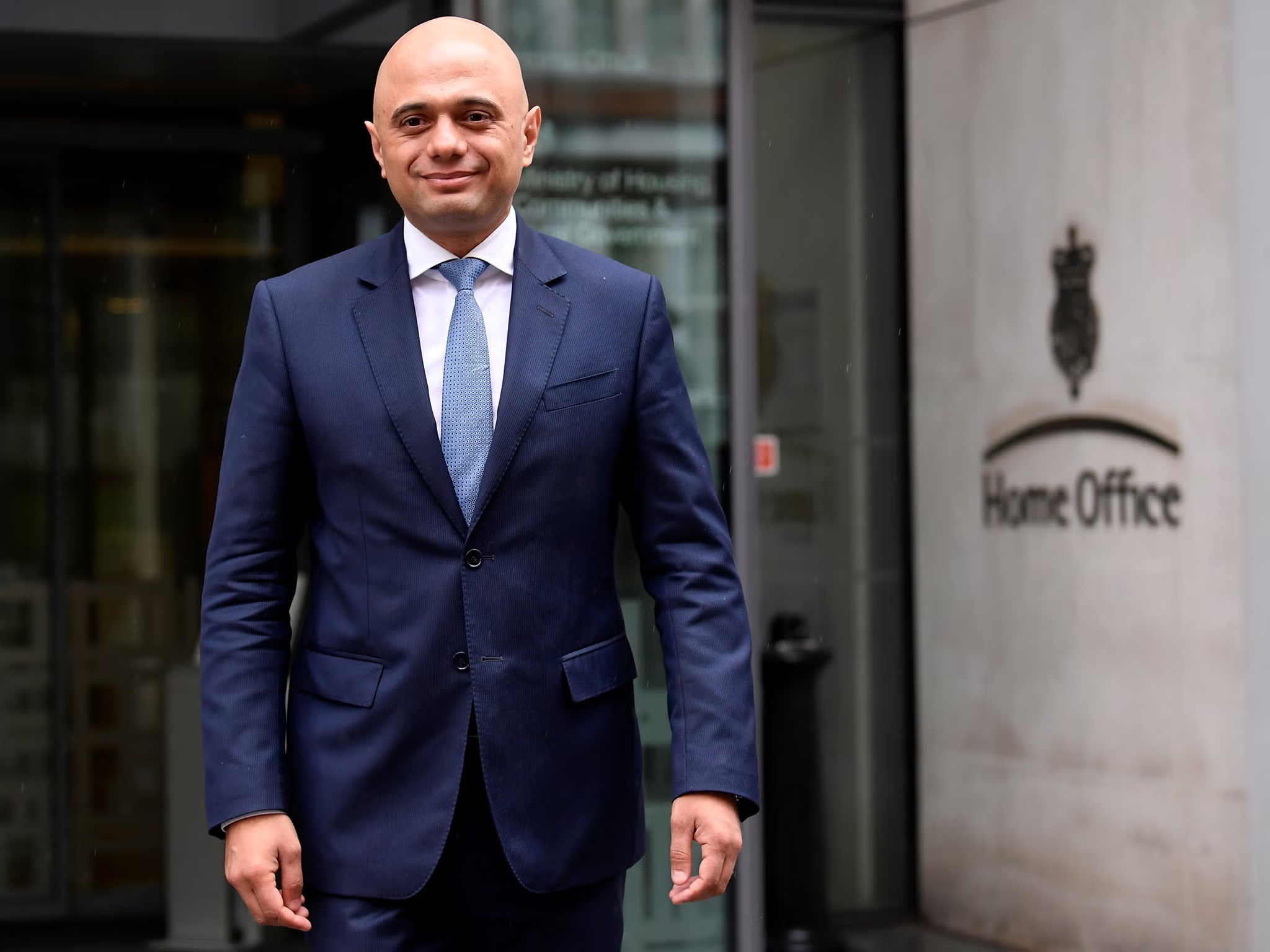
Sajid Javid, a prominent figure in British politics, has played a significant role in shaping the landscape of the UK government. As a former Chancellor of the Exchequer and Home Secretary, his policies and leadership have influenced various sectors. Understanding his journey offers insight into contemporary British politics and economic strategy.
Early Life and Career
Born on December 5, 1969, in Rochdale, Javid was raised in a working-class family, the son of Pakistani immigrants. He graduated from the University of Exeter with a degree in Economics and pursued a successful career in finance, working for Deutsche Bank. His transition into politics began in 2010 when he was elected as the Member of Parliament for Bromsgrove.
Ministerial Positions
Over the years, Sajid Javid has held multiple key positions within the UK government. He first served as the Secretary of State for Culture, Media and Sport from 2014-2015, where he championed various cultural initiatives. His most notable role came when he was appointed as Chancellor of the Exchequer in 2020, where he implemented measures to combat the economic effects of the COVID-19 pandemic.
As Home Secretary from 2018 to 2019, Javid was responsible for significant policy issues including immigration reform and public safety. His stance on controversial subjects such as crime and the UK’s immigration system reflects his commitment to a strong national policy.
Current Developments
In recent months, Javid has remained active in political discussions, often addressing issues such as economic recovery post-COVID-19 and healthcare reforms. His views on tax and public spending continue to position him as a leading voice within the Conservative Party. Following his resignation as Chancellor in 2021, he has focused on his constituents’ needs and broader national debates.
Conclusion
Sajid Javid’s multifaceted career illustrates the dynamic nature of British politics. His experiences reflect the challenges and opportunities faced by modern British leaders. As he continues to influence policy and engage in meaningful dialogue, his role in shaping the future of the UK remains significant. Observers of UK politics will be keen to see how his approaches evolve in response to the ever-changing political landscape, as economic recovery and public safety remain at the forefront of national concerns.