
Introduction to Mar Menor
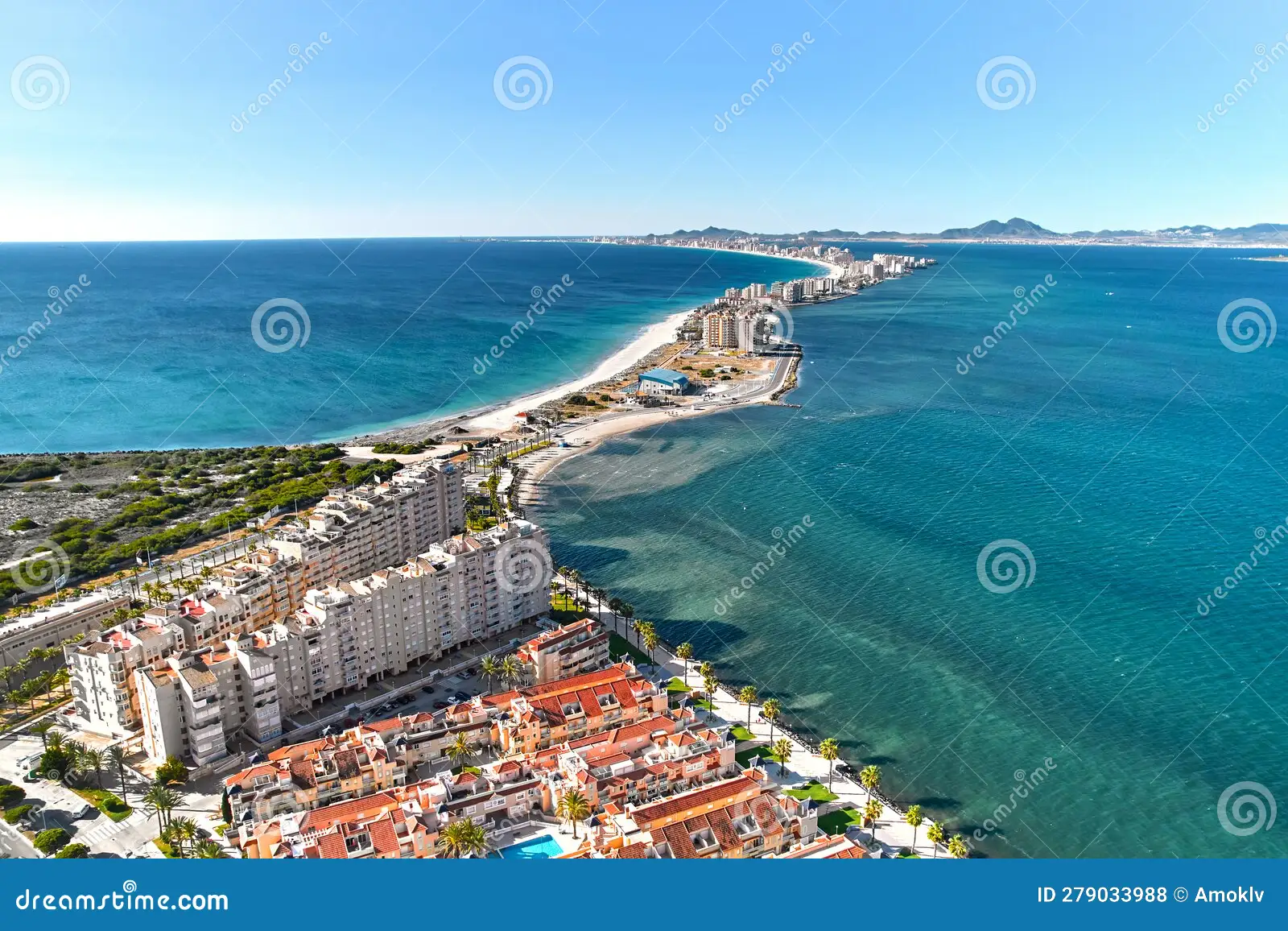
Mar Menor, a unique saltwater lagoon located in Spain’s Murcia region, is a vital ecological haven that holds significant importance for biodiversity, tourism, and local economies. Known for its shallow waters, diverse marine life, and therapeutic mud, Mar Menor has been a popular destination for beachgoers. However, recent environmental challenges have raised alarms about its future, making it crucial to understand its relevance.
Environmental Significance
The Mar Menor is Europe’s largest saltwater lagoon, spanning approximately 170 square kilometres. It is home to a rich variety of ecosystems, including seagrass meadows, which serve as critical habitats for numerous marine species. The lagoon’s shallow nature warms quickly, making it a distinct ecological zone that attracts various aquatic creatures, including fish and crustaceans. Furthermore, the waters are famous for their mineral-rich mud, often used in therapeutic treatments.
Recent Challenges
Despite its natural beauty and ecological importance, Mar Menor has faced severe environmental stress in recent years. Most notably, agricultural runoff, including nitrates and pesticides from surrounding areas, has led to algal blooms, significantly impacting water quality. Reports indicate that fish die-offs have increased, and the lagoon’s delicate ecosystem is under threat. In 2021, the European Court of Justice ruled against Spain for failing to adequately protect the Mar Menor, highlighting the urgency of conservation measures.
Conservation Efforts
In response to these alarming developments, local authorities and environmental organisations have launched initiatives aimed at restoring the lagoon’s health. Campaigns to regulate agricultural practices and reduce nutrient runoff have gained traction, while measures to clean existing pollution in the waters are also being implemented. In 2023, the regional government announced a new strategic plan focused on sustainable tourism and eco-friendly practices to protect the Mar Menor’s natural resources.
Conclusion: The Path Forward
As the situation evolves, the future of Mar Menor will heavily depend on collaborative efforts between local communities, government entities, and environmental advocates. The lagoon is not just a natural treasure but also an essential component of regional identity and economy. With concerted conservation efforts and sustainable practices, there remains hope for Mar Menor to thrive as an ecological jewel of the Mediterranean. Continued public engagement and awareness will also be vital in ensuring that future generations can enjoy and preserve this unique coastal gem.