Introduction
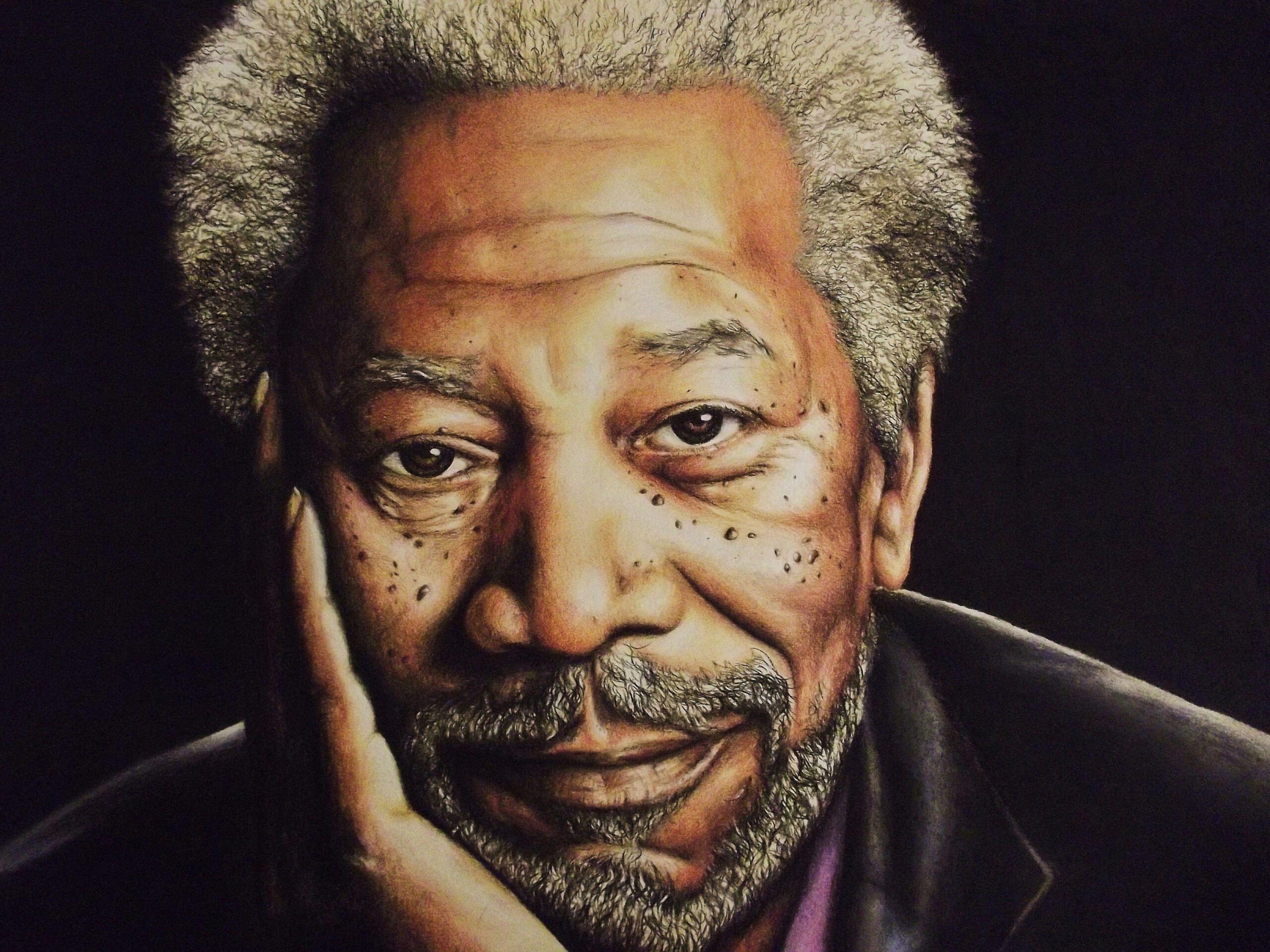
Morgan Freeman is a name synonymous with exceptional talent and gravitas in the film industry. Known for his distinctive voice and commanding presence, Freeman has graced the silver screen for decades, becoming one of the most respected actors in Hollywood. His journey from humble beginnings to an iconic status not only reflects his ability as an actor but also signifies the changing landscape of American cinema.
Early Life and Career
Born on June 1, 1937, in Memphis, Tennessee, Morgan Freeman faced numerous challenges growing up. However, his passion for acting blossomed early on. Freeman attended Jackson State University before joining the United States Air Force. His acting career began in the late 1950s with theatre performances, leading to his television debut on the PBS children’s programme “Electric Company” in the early 1970s. His earlier roles paved the way for a breakthrough in films.
Rise to Stardom
Freeman’s first major film role came in “Driving Miss Daisy” (1989), which earned him an Academy Award nomination. His portrayal of a morally upright man navigating complex racial dynamics in the South earned critical acclaim and opened doors to significant roles in the 1990s. Films such as “The Shawshank Redemption” (1994) and “Se7en” (1995) showcased his versatility and depth, solidifying his reputation as a leading man.
Award-Winning Actor
Throughout his career, Morgan Freeman has received numerous accolades. He won the Academy Award for Best Supporting Actor for his role in “Million Dollar Baby” (2004). His work transcends mere acting; Freeman has also turned his passion for storytelling into documentary narrations, receiving accolades for projects like “March of the Penguins” (2005). In 2009, he received the Screen Actors Guild Life Achievement Award, demonstrating his impact on the industry.
Recent Projects and Continuing Influence
In recent years, Freeman has continued to take on diverse roles, including in “The Hitman’s Bodyguard” (2017) and the acclaimed series “The Story of Us” on National Geographic. Beyond film, his voice has become a cultural touchstone, with narration work in various documentaries and commercials, further expanding his influence in popular media.
Conclusion
Morgan Freeman’s journey exemplifies excellence across film and television. His ability to engage audiences with his performances reinforces his status as one of the greats. As he continues to take on new projects, Freeman’s legacy only grows, inspiring future generations of artists. His career serves not just as entertainment but as an important narrative of perseverance and talent in an evolving industry.