Introduction
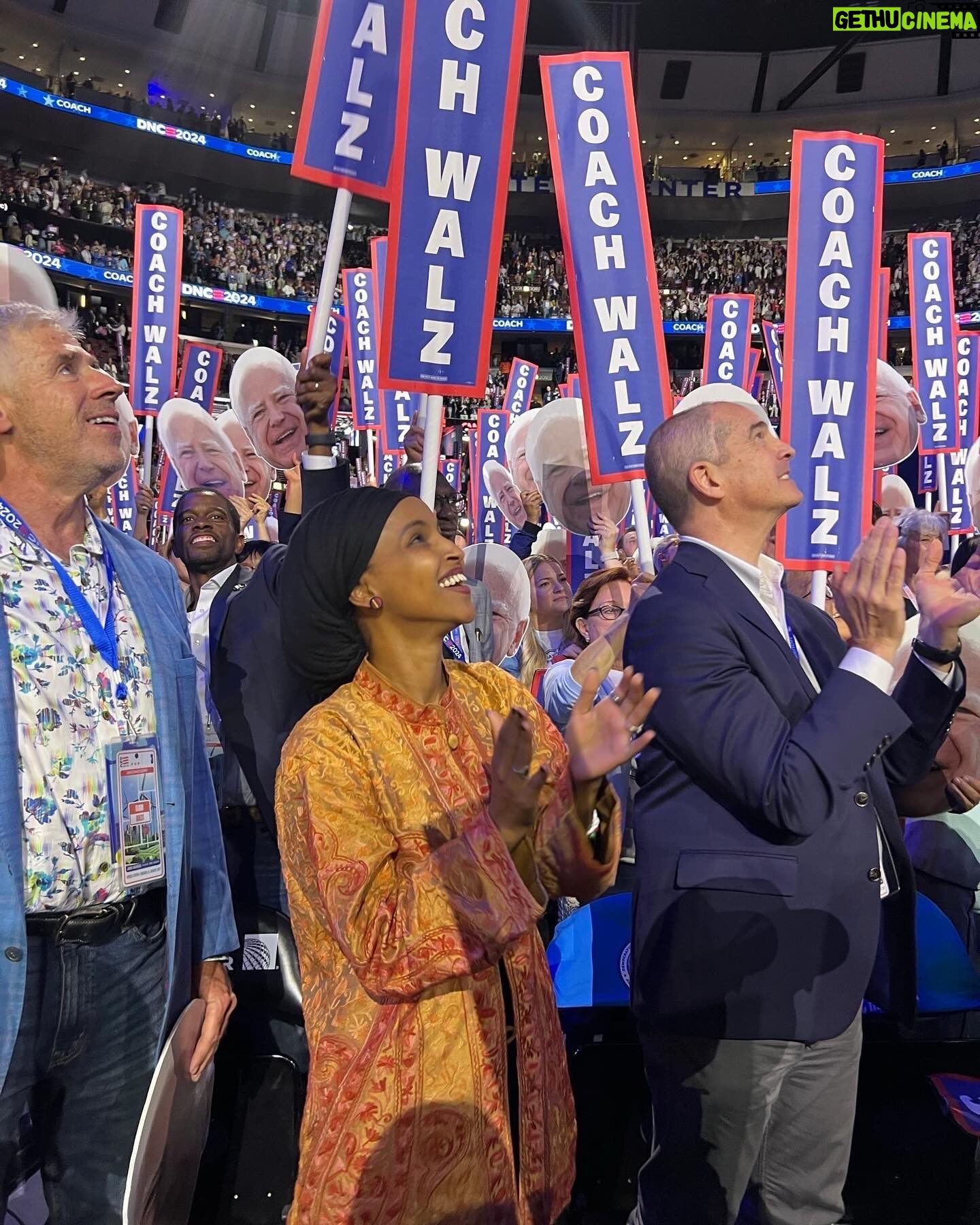
Ilhan Omar, a key figure in American politics, has become a symbol of diversity and progressive values in Congress. As one of the first Muslim women elected to the U.S. House of Representatives in 2018, her story resonates with many, especially in discussions about representation, social justice, and immigration. Her background and political journey highlight the shifting dynamics within the United States, making her a noteworthy study in modern American political discourse.
Early Life and Political Ascent
Born on October 4, 1981, in Mogadishu, Somalia, Omar fled her home country amid civil war and spent four years in a refugee camp in Kenya before settling in the United States in 1995. This background is integral to her political identity. She began her political career in Minnesota, working as a community activist and eventually serving in the Minnesota House of Representatives. Her grassroots efforts focused on issues affecting her community, such as education reform and healthcare access.
Impact in Congress
Omar’s election to Congress marked a significant milestone in American politics. As a member of the progressive ‘Squad,’ which includes Representatives Alexandria Ocasio-Cortez, Ayanna Pressley, and Rashida Tlaib, she advocates for bold policies like Medicare for All, the Green New Deal, and comprehensive immigration reform. Omar has been vocal about social issues, often using her platform to speak against systemic racism and promote equality.
In 2023, she took an active role in the discussions surrounding immigration policies, fighting against measures perceived to undermine immigrant rights. She has also been a critic of foreign policy decisions regarding the Middle East, particularly the West’s approach to Israel and Palestine, which has garnered both passionate support and significant backlash.
Challenges and Controversies
Despite her popularity, Omar has faced significant challenges, including harassment and death threats, often stemming from her outspoken views on Israel and criticism of governmental policies. These challenges highlight the intersectionality of race, gender, and religion in political life in America, raising important questions about the norms of political discourse and representation.
Conclusion
Ilhan Omar remains a pivotal figure in American politics, advocating for the underrepresented and challenging the status quo. As she continues to influence the political landscape, her journey illustrates the complexities and triumphs of a diverse democracy. Looking ahead, Omar’s trajectory may well shape the future of progressive politics in the United States, inspiring a new generation of leaders from diverse backgrounds to engage in the civic process and challenge conventional narratives.