Introduction
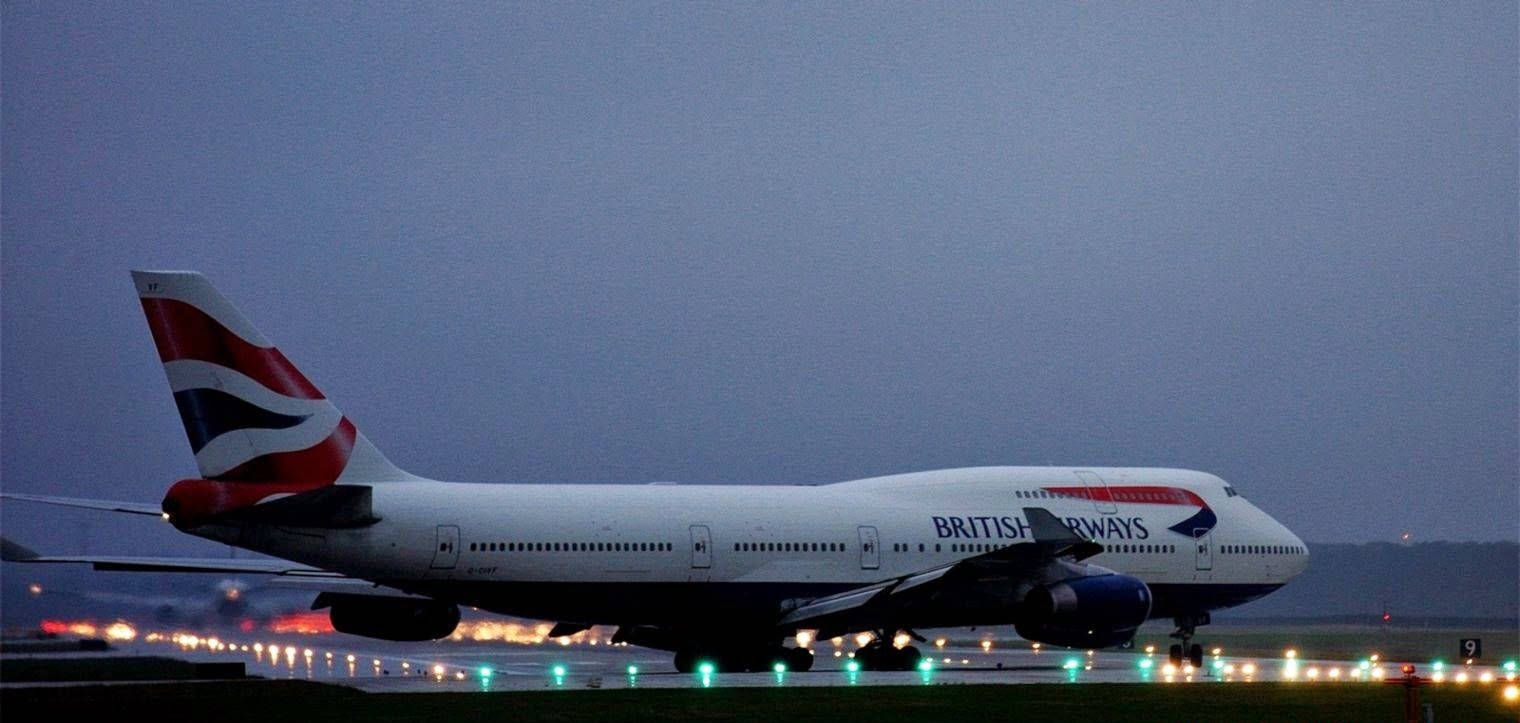
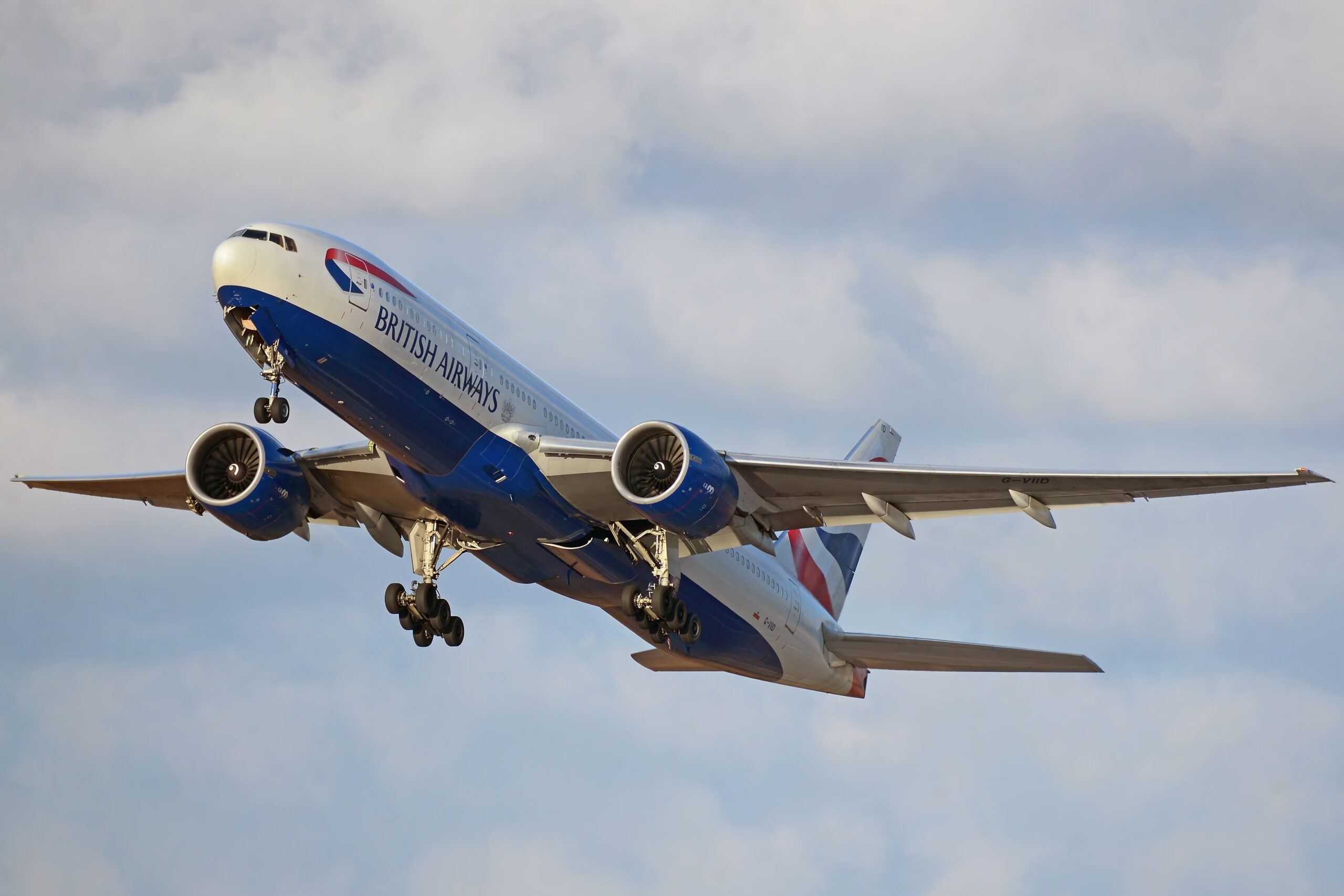
The safety of air travel remains a paramount priority for airlines and passengers alike. An unsettling incident involving a British Airways flight has brought attention to the operational aspects of airline safety. Reports have surfaced that a British Airways plane lost one of its wheels upon landing, prompting immediate investigations and discussions about aviation safety protocols.
The Incident
On the afternoon of March 15, 2023, British Airways flight BA123, which was arriving at London Heathrow after a domestic route from Edinburgh, experienced a mechanical failure during its landing process. Eyewitnesses reported seeing a cloud of smoke and sparks as the aircraft made contact with the tarmac, raising alarms among ground staff and passengers alike.
Upon landing safely, the crew quickly initiated emergency protocols and managed the situation effectively. Fortunately, all 150 passengers and crew onboard were unharmed, though they exhibited understandable concern during the event. Emergency services were alerted as a precaution, and the aircraft was carefully assessed.
Investigation and Response
The Civil Aviation Authority (CAA) has since launched a thorough investigation into the incident. Preliminary reports suggest that the wheel loss may have stemmed from a mechanical failure during landing gear deployment, although these findings await further verification. British Airways has expressed its commitment to maintaining high safety standards and cooperating fully with the investigations.
In response to the incident, the airline has reassured customers about the rigorous maintenance and safety checks conducted on their aircraft, emphasising that such events are exceedingly rare in modern aviation.
Implications for Aviation Safety
This incident has raised discussions concerning the broader implications for aviation safety and maintenance practices. Aviation experts advocate for a reevaluation of existing protocols related to aircraft inspections and mechanical failures. While the incident underscores the robustness of air travel safety systems—given that the flight landed without incident—it nonetheless highlights an area that warrants ongoing scrutiny.
Conclusion
This event serves as a reminder of the inherent risks associated with aviation, as well as the effectiveness of safety measures in place that manage these risks. As the investigation by the CAA progresses, the outcomes may shape future policies within the industry and reinforce the importance of stringent safety checks. For passengers, staying informed about these incidents fosters a deeper understanding of aviation safety, promoting transparency and trust in air travel.