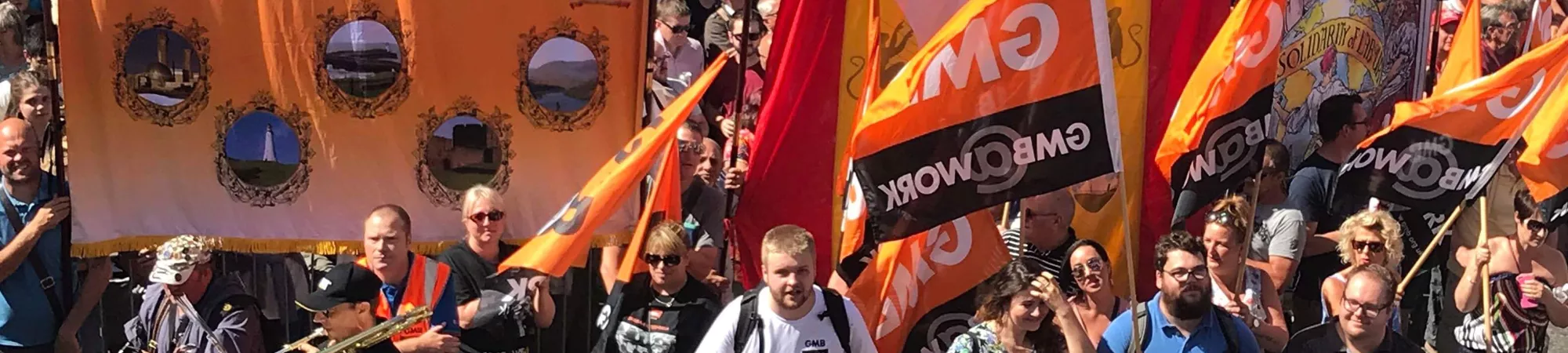
Introduction to GMB Union
The GMB Union, officially known as the General, Municipal, Boilermakers and Allied Trade Union, plays a crucial role in advocating for workers’ rights across the UK. With over 620,000 members, the GMB is one of the largest trade unions in the country, representing a diverse range of sectors including public services, manufacturing, and the private sector. Its significance is heightened as discussions about workers’ rights, fair wages, and job security continue to dominate headlines, making GMB’s work increasingly relevant.
Recent Events and Developments
In recent months, GMB Union has been at the forefront of several pivotal negotiations and campaigns. In October 2023, the union successfully negotiated a pay rise for its members in the social care sector, securing a 7% wage increase amid rising living costs. This victory highlights GMB’s commitment to supporting workers who have been underpaid and overworked, especially during the COVID-19 pandemic.
Furthermore, GMB has actively campaigned against workplace discrimination, specifically targeting issues such as gender pay gap and racial inequality. The union launched a new initiative called “Fair Pay for All” aimed at addressing pay disparities, which has gained traction among its members and has drawn attention from national media.
The Impact of GMB Union’s Actions
The efforts of GMB Union to negotiate better pay and working conditions have had a ripple effect across several industries. Employers are increasingly recognising the union’s influence, leading to a wave of negotiations across various sectors. Moreover, GMB’s success in campaigning for workers’ rights has reinvigorated interest in union membership, with many workers seeking representation in an increasingly volatile job market.
Conclusion and Future Outlook
The work of GMB Union is expected to continue its upward trajectory as economic challenges persist and the need for advocacy grows stronger. The union’s proactive approach towards negotiations and campaigns regarding fair wages reflects a broader movement towards worker empowerment. As we look to the future, GMB’s role will likely become even more significant, enabling workers to gain a voice in their workplaces. For readers, staying informed about GMB’s actions can empower them to advocate for their rights and understand the dynamics at play within their industries.