Introduction
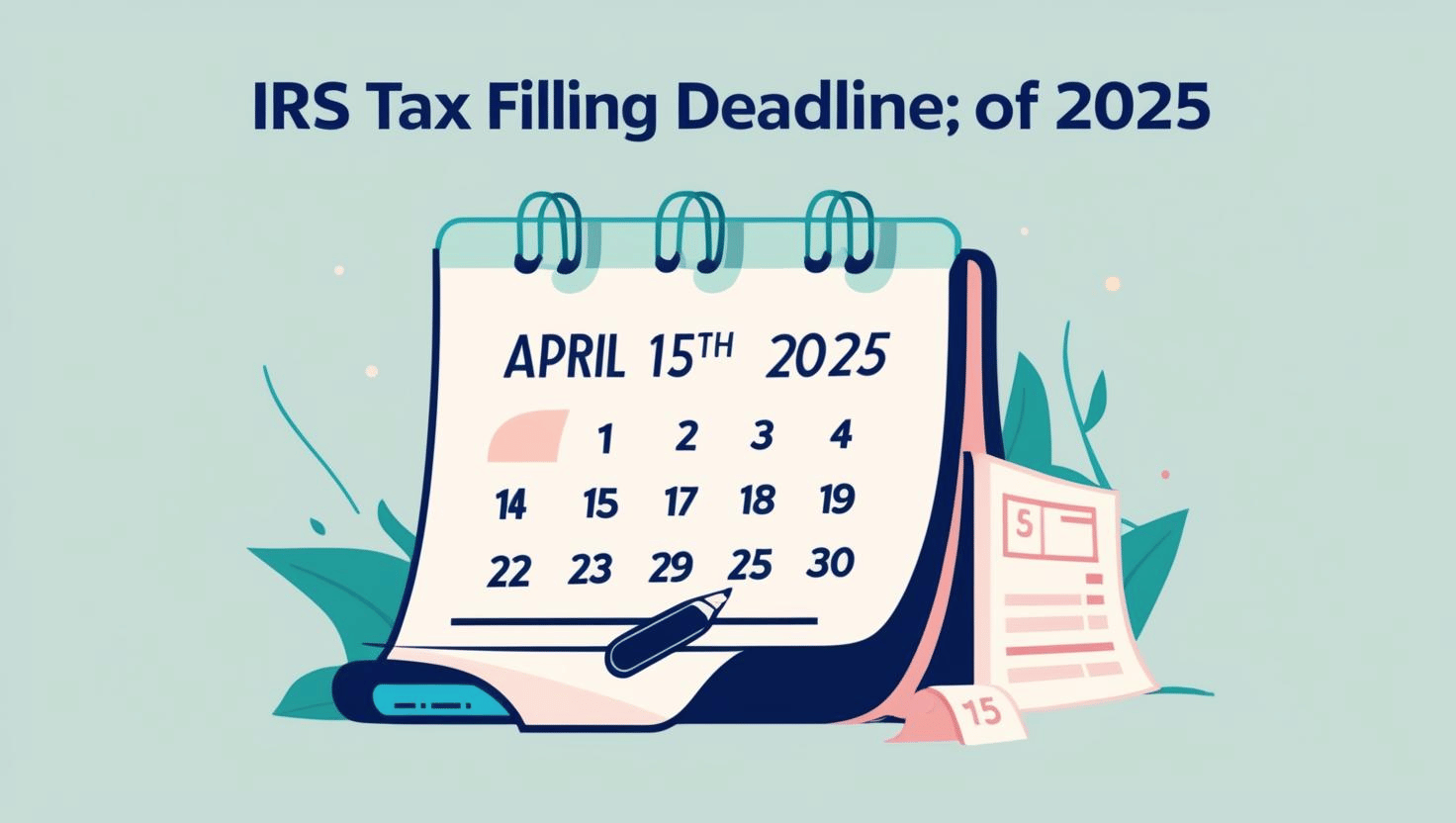
As the year draws to a close, the looming tax filing deadline becomes a critical focus for individuals and businesses alike. Understanding the dates and requirements for tax submissions is essential to avoid penalties and ensure compliance with the law. With the increasing complexity of tax regulations, staying informed about the deadlines is not just important, but necessary for financial health.
Key Dates to Note
The tax filing deadline for individuals in the UK for the tax year 2023-2024 is set for 31 January 2024. This date applies to those who file Self Assessment tax returns online. It’s worth noting that paper returns have a slightly earlier deadline of 31 October 2023. For businesses, especially those that are limited companies, the deadlines can vary depending on the accounting period, and as such, it is crucial to be aware of the specific timeline relevant to individual circumstances.
Consequences of Missing the Deadline
Failing to meet the tax filing deadline can lead to serious consequences. For individuals, a late return incurs an automatic £100 fine, which increases over time. For businesses, there could be additional financial penalties and complications that affect business operations and financial planning. Moreover, late submissions can trigger interest on owed taxes, further complicating one’s financial obligations.
Preparation Tips
To ensure compliance with the upcoming deadline, taxpayers are encouraged to start preparing their documentation early. This includes gathering relevant income statements, receipts for expenses, and any other financial documents required for accurate reporting. Additionally, utilising accounting software and professional advice can help streamline the process.
Conclusion
The tax filing deadline is not just a date on the calendar but a crucial reference point for financial planning. As the 31 January 2024 deadline approaches, taxpayers must take proactive measures to ensure their submissions are timely and compliant. With the right preparation, individuals and businesses can avoid penalties and safeguard their financial integrity. Keeping abreast with deadlines can lead to a smoother tax season and prevent unnecessary stress in the New Year.