Introduction to Non-Fungible Tokens
Non-fungible tokens (NFTs) have ushered in a new era of digital ownership, providing unique verification for assets in the digital landscape. Unlike cryptocurrencies such as Bitcoin or Ethereum, which are fungible and can be exchanged on a one-to-one basis, NFTs provide distinct ownership to digital files, allowing each token to represent a specific item, artwork, or piece of content. This uniqueness underlies their growing relevance in sectors ranging from art and gaming to real estate and entertainment.
The Rise of NFTs
In 2021, the NFT market surged, with sales reaching $17 billion, prompting widespread interest from investors, creators, and collectors. Major auction houses like Sotheby’s and Christie’s began hosting NFT events, featuring high-profile digital artworks by renowned artists, including Beeple, whose piece sold for a staggering $69 million in March 2021. This explosion in popularity has captured the attention of celebrities and established brands, further validating the medium.
Applications of NFTs
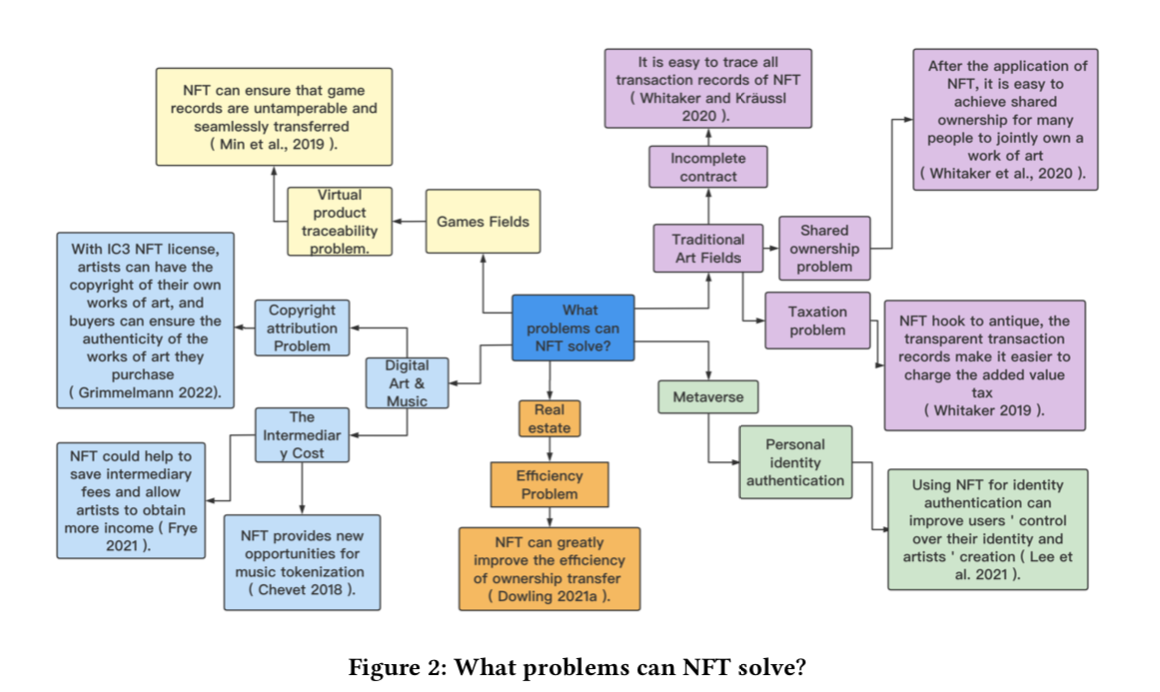
NFTs have found applications across various fields:
- Art: Artists can tokenise their work, providing provenance and ownership, thus addressing issues of art forgery and copyright.
- Gaming: In-game assets like skins or characters can be owned, traded, or sold as NFTs, transforming player experiences and economies.
- Music: Musicians can sell unreleased tracks or concert tickets as NFTs, creating new revenue streams and fan engagement strategies.
- Virtual Real Estate: Platforms like Decentraland allow users to buy, sell, or build on virtual land, with transactions conducted via NFTs.
Challenges and Future of NFTs
Despite their rapid growth, NFTs are not without challenges. Issues around environmental impact, as most NFTs rely on energy-intensive blockchain technology, and concerns regarding market volatility pose significant questions for the future. Additionally, regulatory frameworks are still in development, which may impact how NFTs are handled in terms of ownership rights and taxation.
Conclusion
As we move forward, the role of non-fungible tokens is anticipated to evolve considerably. With ongoing technological advancements and increasingly innovative applications, NFTs may redefine ownership in the digital age. Readers should keep an eye on developments in this space, as the impact of NFTs can influence various aspects of business and culture in an increasingly digital world.