Introduction
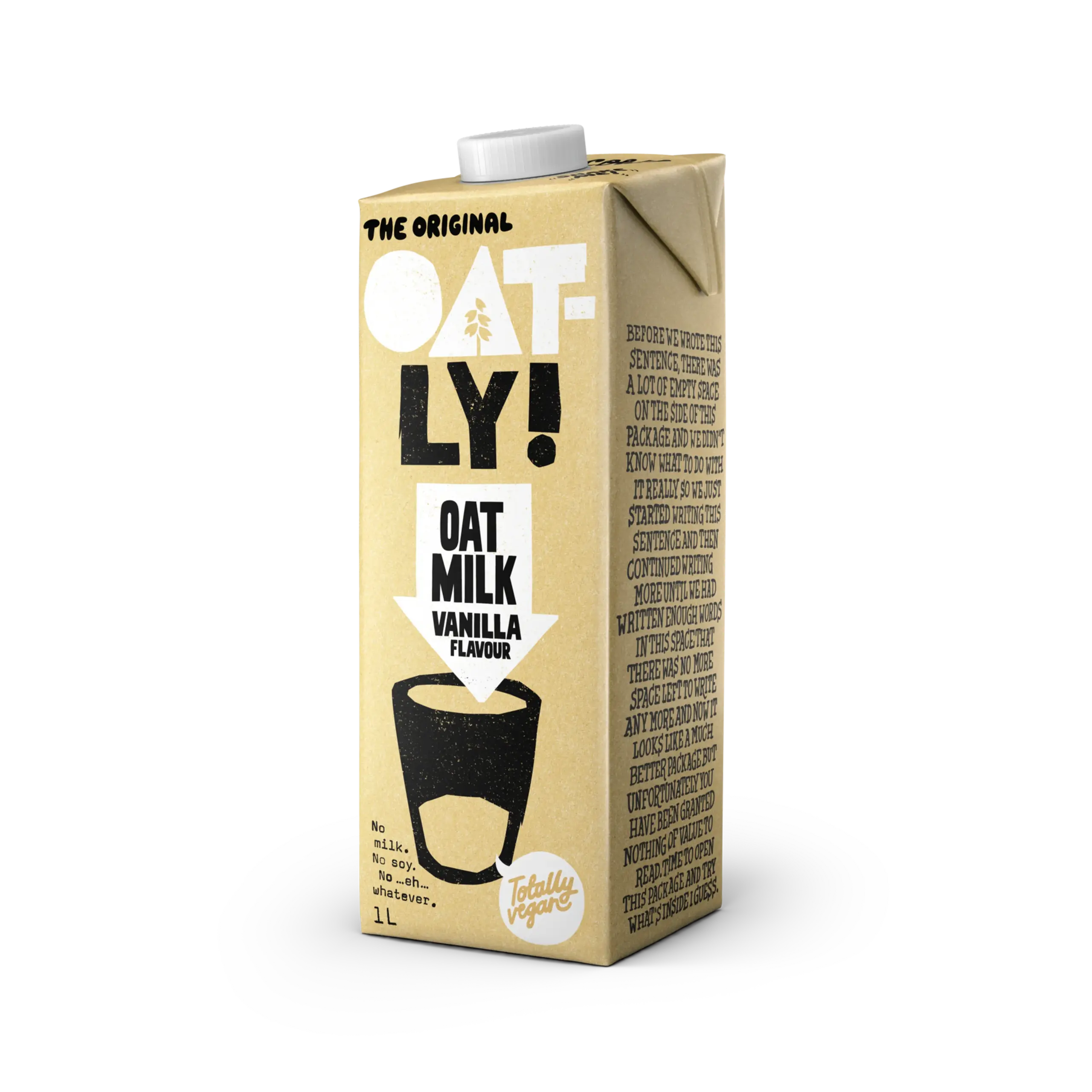
Oatly oat milk has become a prominent player in the beverage industry, appealing to health-conscious consumers and those seeking sustainable alternatives to dairy. With its rapid rise in popularity over the past few years, Oatly has sparked conversations about plant-based diets and their impact on health and the environment. As the awareness of lactose intolerance and the environmental costs of dairy production grows, Oatly has captured a significant market share in the changing landscape of milk alternatives.
Expansion and Popularity
Founded in Sweden in the 1990s, Oatly started as a niche product but gained significant traction by 2020, particularly in various international markets. With the backing of major investments, Oatly has expanded its distribution, securing partnerships with retailers and coffee chains worldwide. The brand’s unique marketing strategies, emphasising transparency and sustainability, resonate with younger consumers who prioritise conscious consumption.
According to recent data, Oatly has achieved a remarkable growth rate, with sales increasing by over 50% year-on-year in certain regions. The company released its IPO in 2021, which further boosted its public profile and highlighted the increasing demand for plant-based products. Its introduction of various flavours and innovative products, such as oat-based ice creams and yogurt alternatives, diversifies the brand’s portfolio, catering to various consumer tastes.
Market Impact
The success of Oatly has encouraged other companies to innovate within the plant-based sector, leading to an influx of oat milk products on grocery shelves. This surge in competition has also prompted traditional dairy producers to reevaluate their strategies, either by introducing their own plant-based options or by engaging in marketing campaigns to counter the trend. The growing acceptance of oat milk has not only transformed the non-dairy market but has also started altering the public’s perception of the health benefits compared to cow’s milk. Studies indicate that oat milk can be a suitable source of nutrients, making it an attractive option for those on a vegan or lactose-intolerant diet.
Conclusion
As Oatly oat milk continues to thrive, its significance extends beyond just a product in the beverage aisle; it represents a broader shift towards sustainability and health awareness in consumer choices. With ongoing support from both consumers and investors, Oatly is poised to maintain its leading position in the increasingly competitive plant-based market. In the coming years, we can anticipate even more innovation within the sector, as suppliers strive to meet the rising demand for eco-friendly and health-conscious products. Consumers can expect to see more diverse alternatives that cater to their preferences without compromising on quality or flavour.