Introduction
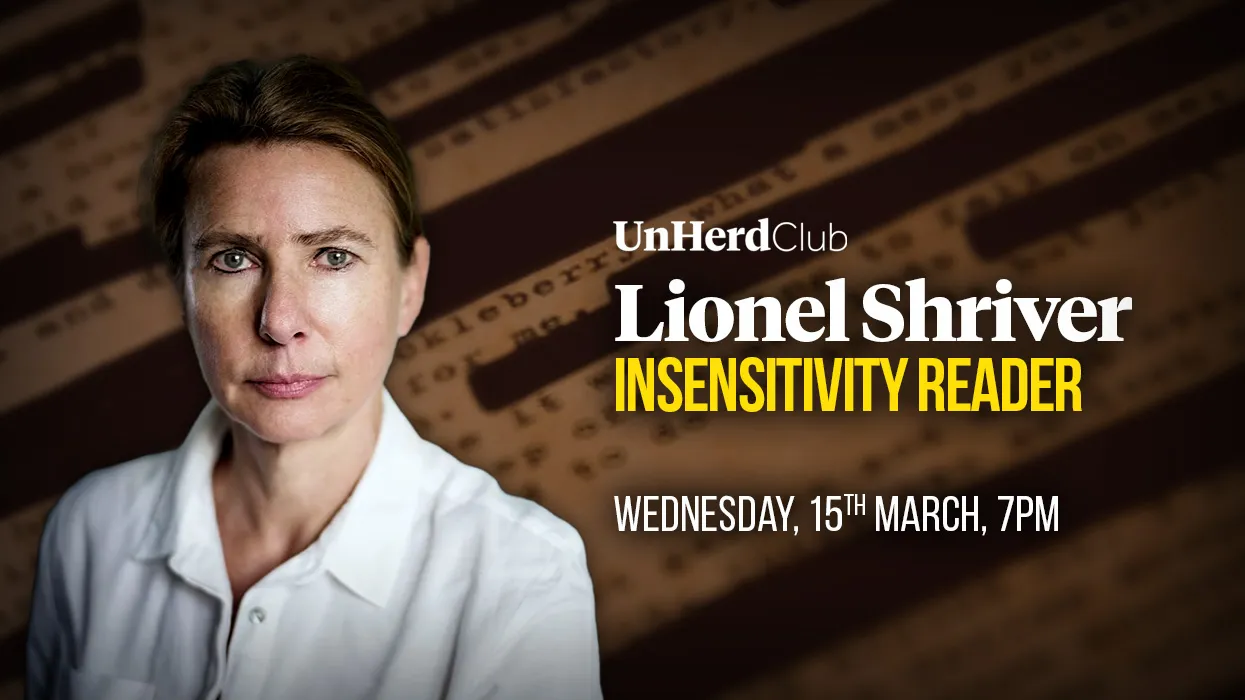
Lionel Shriver, a celebrated author and critic, has been a significant figure in contemporary literature since the release of her breakout novel, We Need to Talk About Kevin in 2003. With a unique perspective that often challenges societal norms, Shriver’s work continues to resonate with readers worldwide. Her exploration of complex themes such as identity, family dynamics, and societal expectations are especially relevant in today’s rapidly changing cultural landscape.
Recent Developments
As of late 2023, Shriver has gained renewed attention following her recent public appearances and literary contributions. She has been actively engaging in discussions on various platforms regarding the role of literature in addressing social issues, as well as the responsibilities of authors in portraying sensitive subjects authentically. Her thoughts on cultural appropriation and political correctness in literature have sparked both admiration and criticism from peers and audiences alike.
In a recent interview, Shriver expressed concerns over the increasing censorship in literary circles, advocating for the necessity of challenging readers with unfiltered narratives. This viewpoint aligns with her ongoing commitment to artistic freedom, prompting writers and readers to reflect on the boundaries of storytelling.
Recent Works and Contributions
In addition to her public commentary, Shriver has released several new essays that delve into the changing landscape of contemporary literature. Her latest book, Should We Stay or Should We Go, published earlier this year, examines the complexities of aging and personal choice within the context of modern society. Critics have praised her incisive prose and keen observations, reaffirming her status as a vital voice in today’s literary conversation.
Conclusion
Lionel Shriver’s contributions to literature and cultural discourse are more important than ever. As she navigates discussions about the role of literature in society, her works encourage readers to confront uncomfortable truths and engage critically with the world around them. With new projects on the horizon, Shriver continues to be a formidable presence in literature, pushing boundaries and inspiring open dialogue among both writers and readers.