Introduction
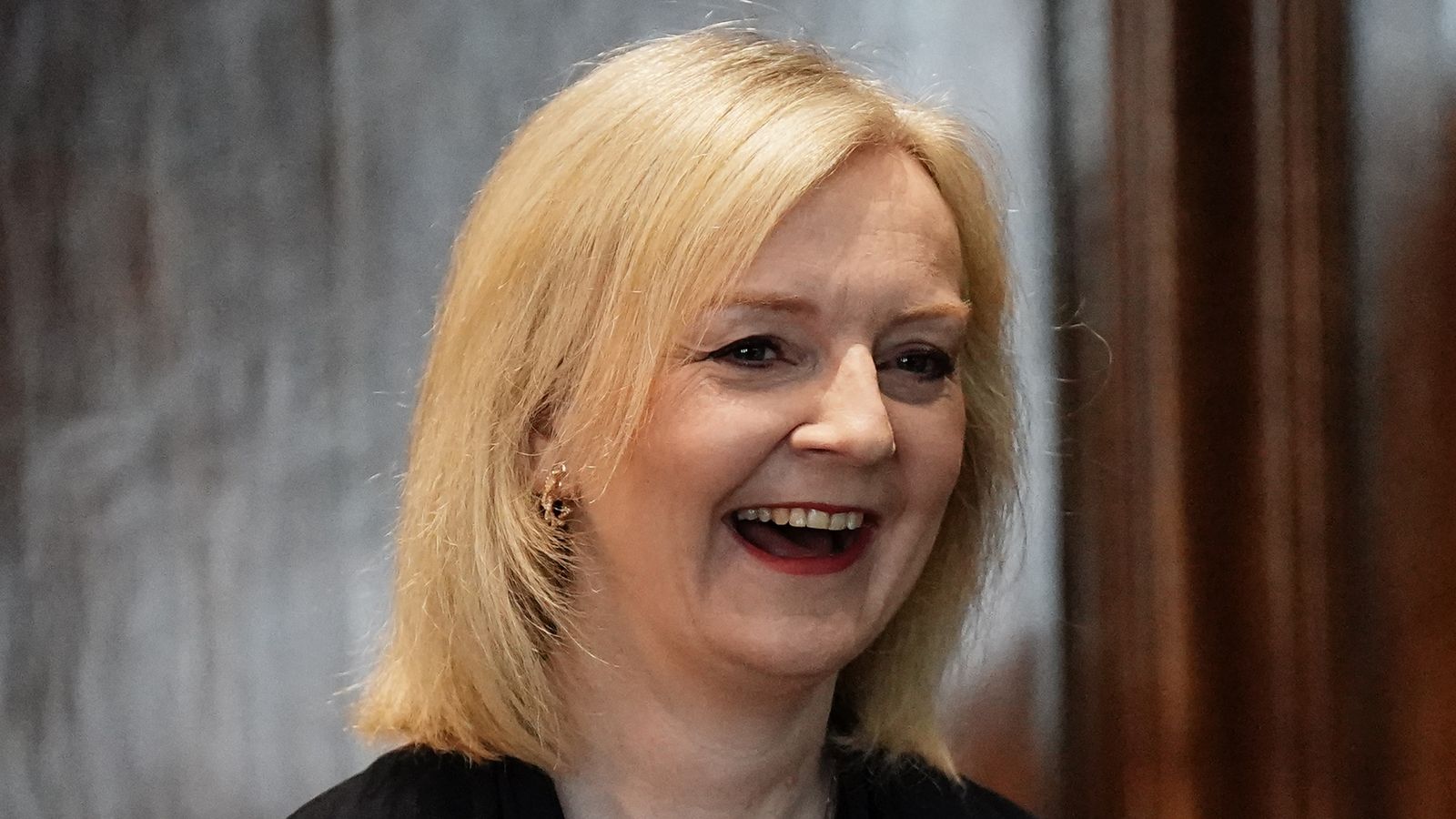
Liz Truss, the former Prime Minister of the United Kingdom, has become a significant figure in contemporary British politics. Her tenure, albeit short-lived, sparked widespread debate and discussion about leadership and economic strategy within the context of a challenging global environment. Understanding her political journey is essential for grasping the current landscape of UK politics.
Political Background
Born on July 26, 1975, in Oxford, Truss was educated at Merton College, Oxford, where she studied Philosophy, Politics, and Economics (PPE). Her political career began in earnest when she was elected as the Member of Parliament (MP) for South West Norfolk in 2010. Truss quickly progressed through the ranks of the Conservative Party, holding various ministerial positions, including Secretary of State for International Trade and Secretary of State for Foreign, Commonwealth and Development Affairs. Her rise culminated in her appointment as Prime Minister in September 2022.
Prime Ministership
Liz Truss’s time as Prime Minister was marked by bold economic policies aimed at stimulating growth in the UK economy, particularly in the face of rising inflation and a cost-of-living crisis exacerbated by the ongoing effects of the COVID-19 pandemic and the war in Ukraine. The announcement of her mini-budget in September 2022 that included significant tax cuts received immediate backlash from financial markets, causing the pound to plummet and increasing government borrowing costs. This tumultuous period led to a loss of confidence not only in her leadership but also in her party’s economic strategy.
Resignation and Aftermath
Under immense pressure from party colleagues and after just 45 days in office, Truss announced her resignation on October 20, 2022. Her departure raised questions about the stability of the Conservative Party, with calls for a thorough review of their economic policies and leadership approach. Following her resignation, Rishi Sunak succeeded her as Prime Minister, marking a significant shift in party dynamics.
Conclusion
The legacy of Liz Truss remains a topic of discussion among political analysts and the public alike. Her brief premiership has underscored the challenges facing modern leaders in tackling economic crises while maintaining party unity. As the Conservative Party navigates its way forward after her departure, the lessons learned from Truss’s time in office may inform future policies and leadership choices. Observers anticipate potential shifts in party dynamics and strategy as they prepare for upcoming elections, keeping Liz Truss’s tenure and its impact in sharp focus.