Introduction
‘The Last of Us’, initially released as a video game by Naughty Dog in 2013, has grown to become a significant cultural phenomenon. Its relevance lies not only in its captivating storytelling and character development but also in its recent adaptation into a successful television series on HBO. Both the game and the series reflect themes of survival, love, and the human condition, resonating deeply with audiences worldwide.
The Gaming Legacy
The original game ‘The Last of Us’ was acclaimed for its narrative-driven gameplay and emotional depth. Players follow the journey of Joel and Ellie, navigating a post-apocalyptic world ravaged by a fungal infection. The game has sold over 17 million copies, influencing countless titles in the action-adventure genre. Its acclaim was cemented with numerous awards, including multiple Game of the Year titles, showcasing its impact on the gaming community.
Television Adaptation
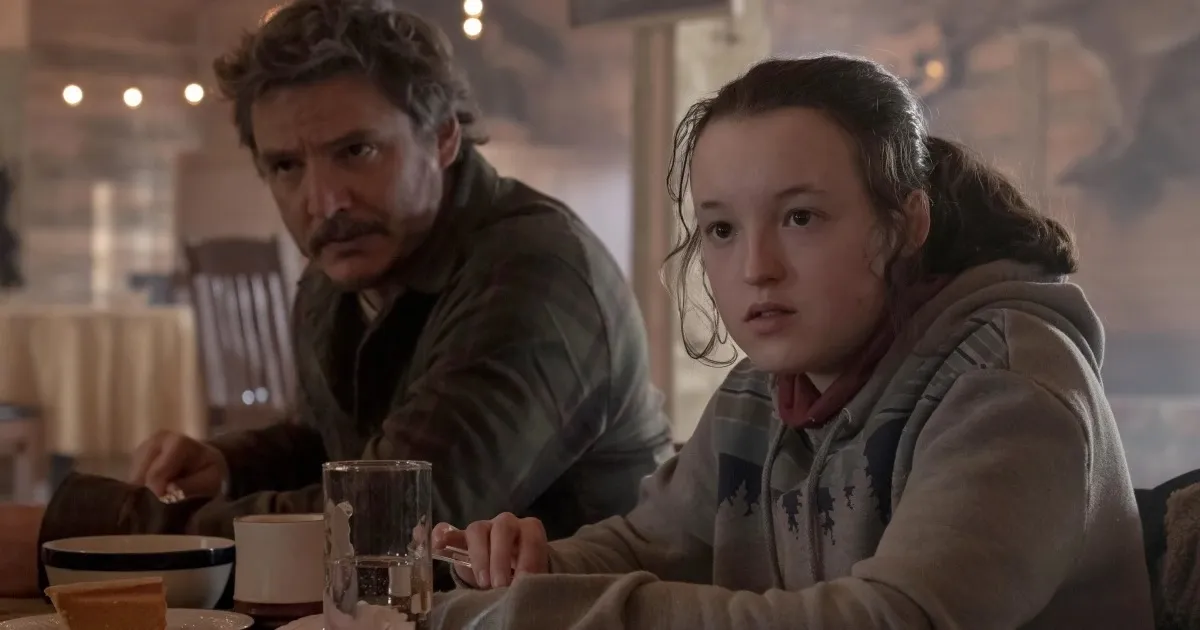
In January 2023, HBO premiered its adaptation of ‘The Last of Us’, receiving widespread critical acclaim and introducing the story to a broader audience. The show stars Pedro Pascal as Joel and Bella Ramsey as Ellie, with an emphasis on character-driven storytelling that mirrors the game. The series quickly became one of HBO’s most-watched programmes, drawing in millions of viewers and prompting discussions about the themes presented in both the game and the show.
Impact on Pop Culture
‘The Last of Us’ has significantly influenced pop culture, inspiring merchandise, fan art, and even academic discussions on narrative structures in video games. It challenges the stigma often associated with gaming, proving that video games can deliver profound, emotional stories comparable to literature and film. As the series continues to expand its audience, it fosters a dialogue about the potential of interactive storytelling in other media.
Conclusion
The ongoing success of ‘The Last of Us’ highlights its importance in the entertainment landscape. As both the game and the television series push the boundaries of storytelling, they invite audiences to reflect on their own humanity amidst adversity. With plans for a second season of the HBO series and potential additional game content, the legacy of ‘The Last of Us’ is far from over, solidifying its place as a transformative work that may continue to shape the future of gaming and storytelling alike.