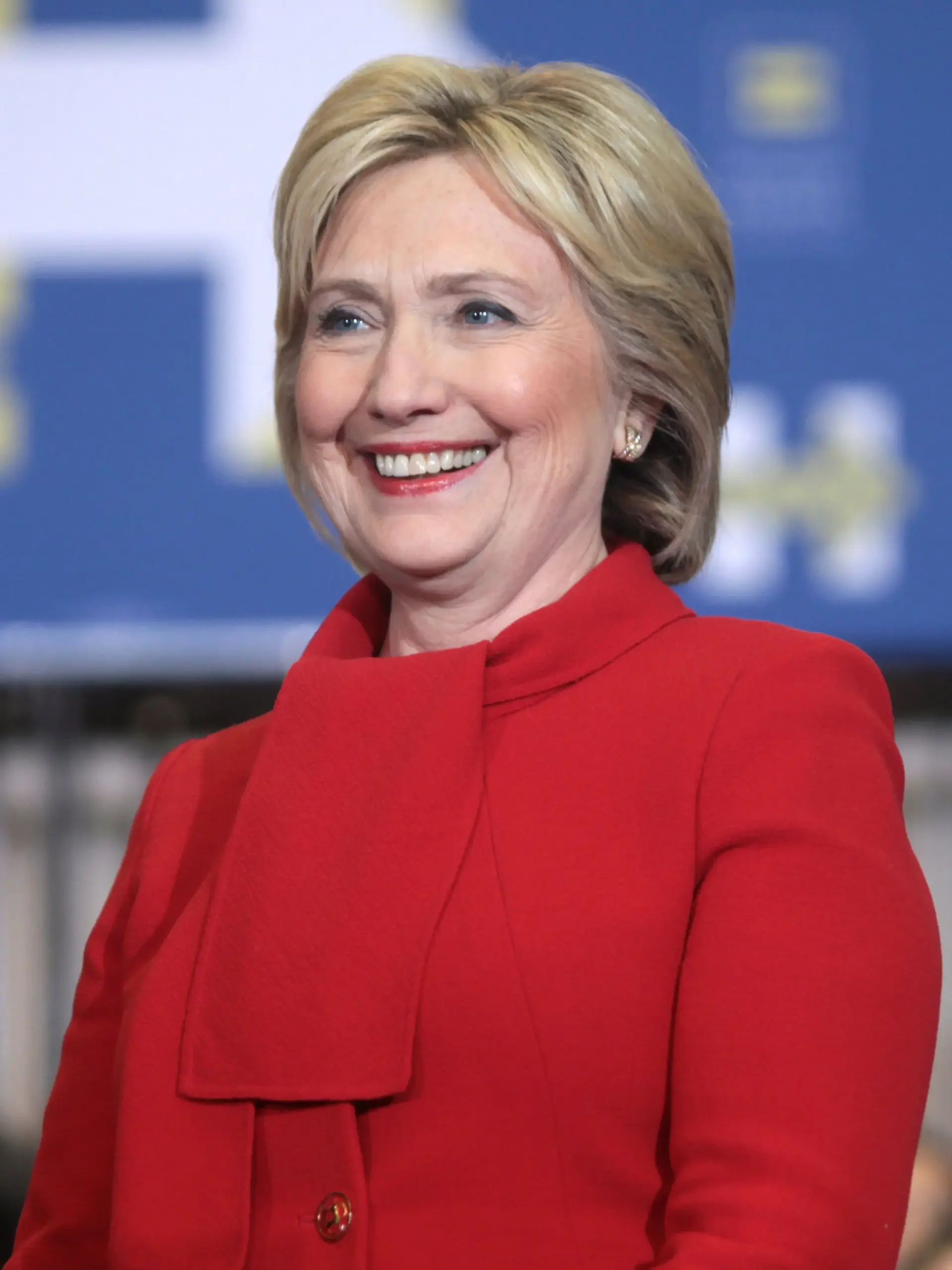
Introduction
Hilary Clinton remains a pivotal figure in American politics, known for her extensive career as an attorney, First Lady, U.S. Senator, and Secretary of State. Her impact and influence extend far beyond her roles, affecting discussions on healthcare, women’s rights, and foreign policy. As the first woman to be nominated for president by a major party in 2016, her journey is significant not only for the Democratic Party but also for the representation of women in leadership roles.
Recent Developments
In recent months, Clinton has been vocal regarding the challenges facing democracy in the United States. With her background and experience, she has been involved in strategic discussions around the 2024 elections, urging voters to remain vigilant against misinformation and to participate actively in the electoral process. Furthermore, her ongoing advocacy for women’s rights has been amplified, particularly with the recent debates surrounding reproductive health rights.
Advocacy and Activism
Hilary Clinton has continued to use her platform for crucial issues such as gender equality and global health initiatives. In a recent public appearance at a women’s rights conference, she highlighted the importance of addressing systemic gender disparities exacerbated by the COVID-19 pandemic. Clinton’s initiatives through the Clinton Foundation focus on empowering women and children and addressing climate change, which she argues are interconnected issues.
Legacy and Influence
Despite the challenges and controversies faced during her political career, Hilary Clinton’s legacy is marked by her trailblazing role for women in politics. Her candidacy in 2016 reignited discussions about gender in leadership, inspiring a new generation of female politicians. As the political landscape evolves, Clinton’s influence remains pertinent, as she advises younger leaders and engages with a wider audience through various media platforms, including podcasts and social media.
Conclusion
As Hilary Clinton continues to shape political discourse both in the United States and globally, her legacy serves as a vital touchpoint for those engaged in the early stages of their own political careers. Her vision for a more inclusive and equitable society resonates as debates around women’s rights and democracy prevail. Looking ahead, Clinton’s influence will likely persist, guiding future generations to champion the causes she has dedicated her life to.