Introduction
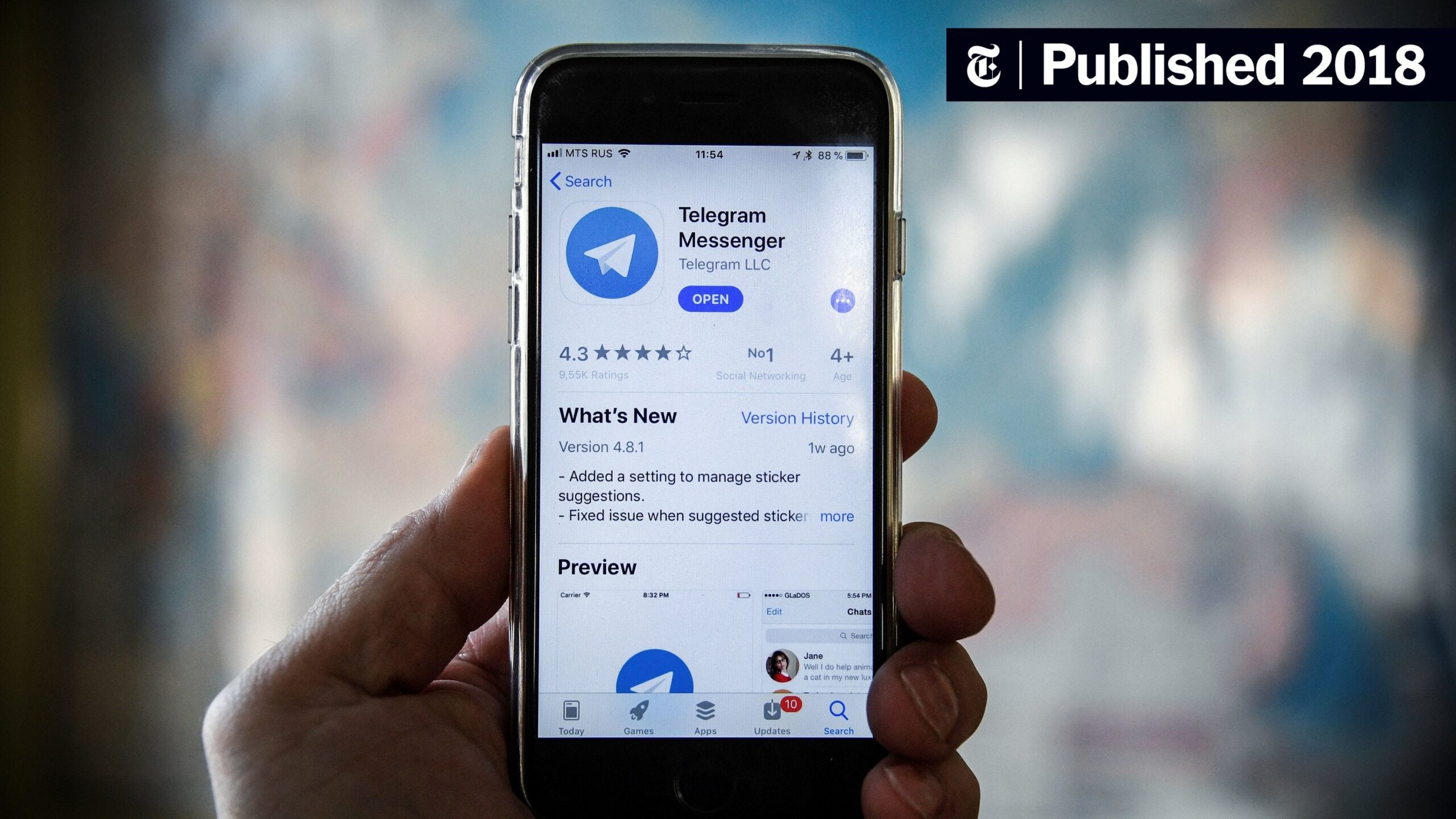
The recent ban on the messaging app Telegram in Russia has raised eyebrows both locally and internationally. As a significant platform for communication, particularly among activists, journalists, and the general public, this ban poses serious questions about freedom of speech and digital rights in Russia. With Telegram being a primary tool for instant messaging, the ban may affect millions of users while also bringing the issue of state censorship into the spotlight.
Details of the Ban
On October 10, 2023, the Russian government announced a nationwide ban on Telegram, citing its use for spreading disinformation and facilitating illegal activities. The move is part of a broader effort by the Kremlin to exert control over digital communication and curb dissent. Officials claim that Telegram has been used to organize protests and distribute materials that are deemed extremist or harmful. Following the ban, access to Telegram has significantly diminished, with many users expressing frustration and concern over their ability to communicate freely.
Reactions and Consequences
The ban has met with widespread backlash. Opposition groups and civil rights organisations have condemned the move as an infringement on free speech and an attempt to stifle dissent. Activists in Russia have been vocal about their concerns, urging people to resist the ban while seeking alternative communication methods. Moreover, international human rights advocates have called for the immediate reversal of the ban, arguing that it contravenes Russia’s commitments to uphold freedom of expression.
In the wake of the ban, several VPN services have seen a spike in downloads as users attempt to circumvent the restrictions. Students, professionals, and others who rely heavily on the app for communication are now scrambling to find solutions, highlighting the reliance on digital platforms in modern society.
Conclusion
The implications of the Russia Telegram ban extend beyond mere inconvenience; they contribute to the ongoing narrative around state control versus individual freedom. As the situation develops, it will be crucial for observers to monitor how this ban influences public discourse and digital activism within Russia. The government’s increasing restrictions on digital communication may lead to further measures that threaten the democratic processes and rights of citizens. With elections approaching, the significance of this issue may resonate deeply in the political landscape, affecting how Russians engage with each other and their government in the future.