Introduction
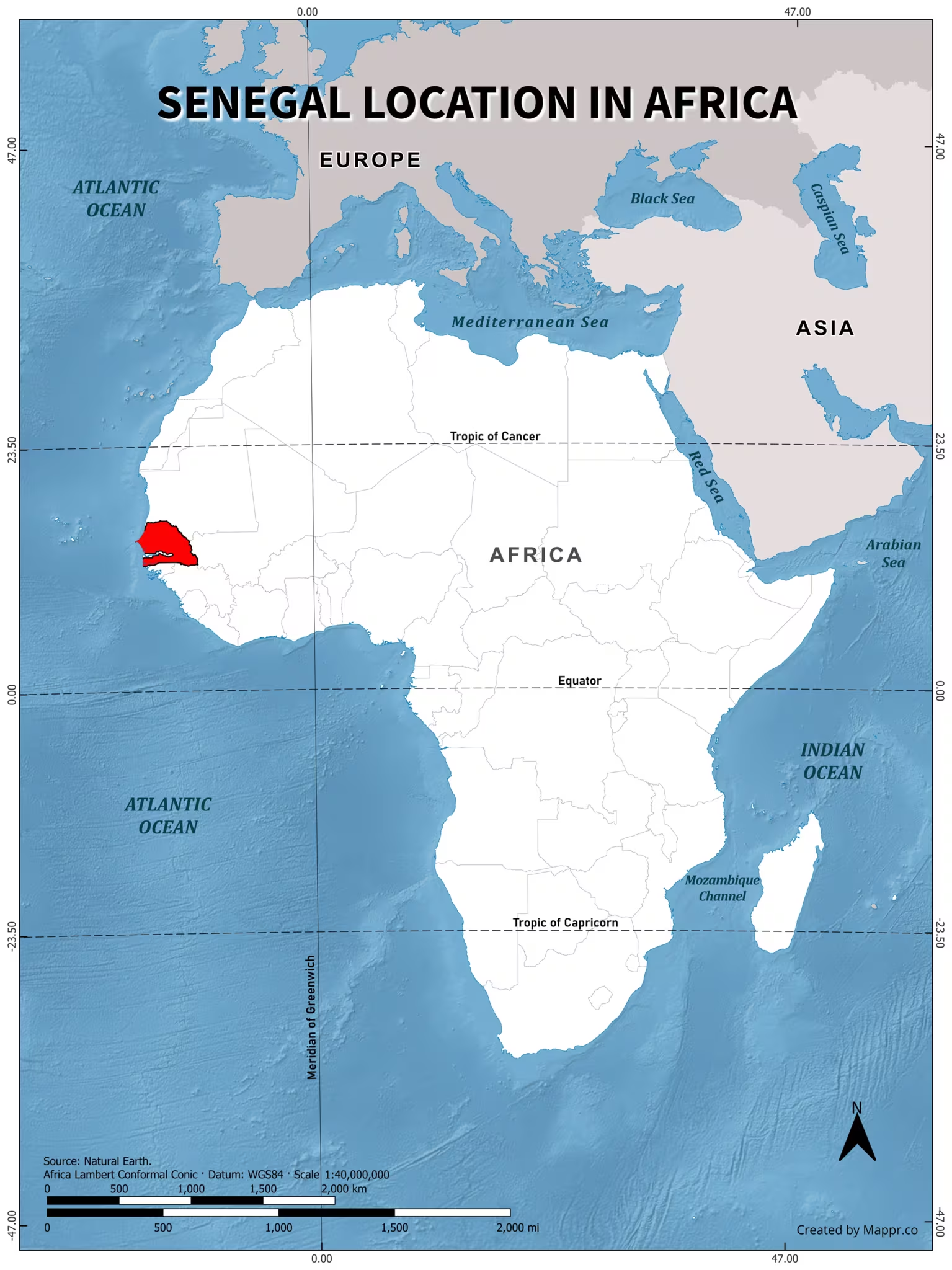
Senegal, located on the west coast of Africa, is a nation that has gained attention for its vibrant culture, diverse societies, and significant role in regional politics and economics. With a history steeped in colonialism and independence, Senegal has emerged as a beacon of stability in West Africa, making it a focal point for development projects, tourism, and international relations.
Recent Developments in Senegal
In recent years, Senegal has seen notable growth in various sectors, including agriculture, mining, and services. The discovery of oil and gas reserves off its coast has led to significant investment and has the potential to transform the country’s economy. The government has also initiated several large-scale infrastructure projects aimed at improving connectivity and boosting trade within the region.
The capital city, Dakar, hosted the “Dakar 2023: International Forum on Peace and Security in Africa” which aimed at enhancing partnerships against security threats in the region. This event showcases Senegal’s role as a key player in African diplomacy and conflict resolution.
Cultural Heritage
Senegal’s culture is a rich tapestry of influences from indigenous traditions and the impact of French colonial rule. The country’s music, art, and literature are celebrated globally, with figures like Youssou N’Dour and writers such as Leopold Sedar Senghor recognised for their contributions. Senegal is also famous for its vibrant festivals, such as the Dakar Biennale, which showcases contemporary African art.
The nation’s cuisine, famous for its seafood dishes like thieboudienne (fish and rice), reflects the agricultural wealth of the coastal region and is increasingly finding its way into international culinary scenes.
Challenges and Prospects
Despite the progress, Senegal faces challenges including unemployment, especially among the youth, and improving health services. However, the government is committed to addressing these issues through various initiatives and policy reforms. With an eye on sustainable development and educational reforms, the future of Senegal appears promising.
Conclusion
Senegal stands as a remarkable country that balances its rich traditions with modern aspirations. As it navigates the complexities of economic development and social change, Senegal continues to foster a unique identity that is both proud and resilient. For readers, keeping an eye on Senegal’s journey offers insights into the potential for growth and the spirit of a nation that harmoniously embraces its past while looking hopefully towards the future.