Introduction
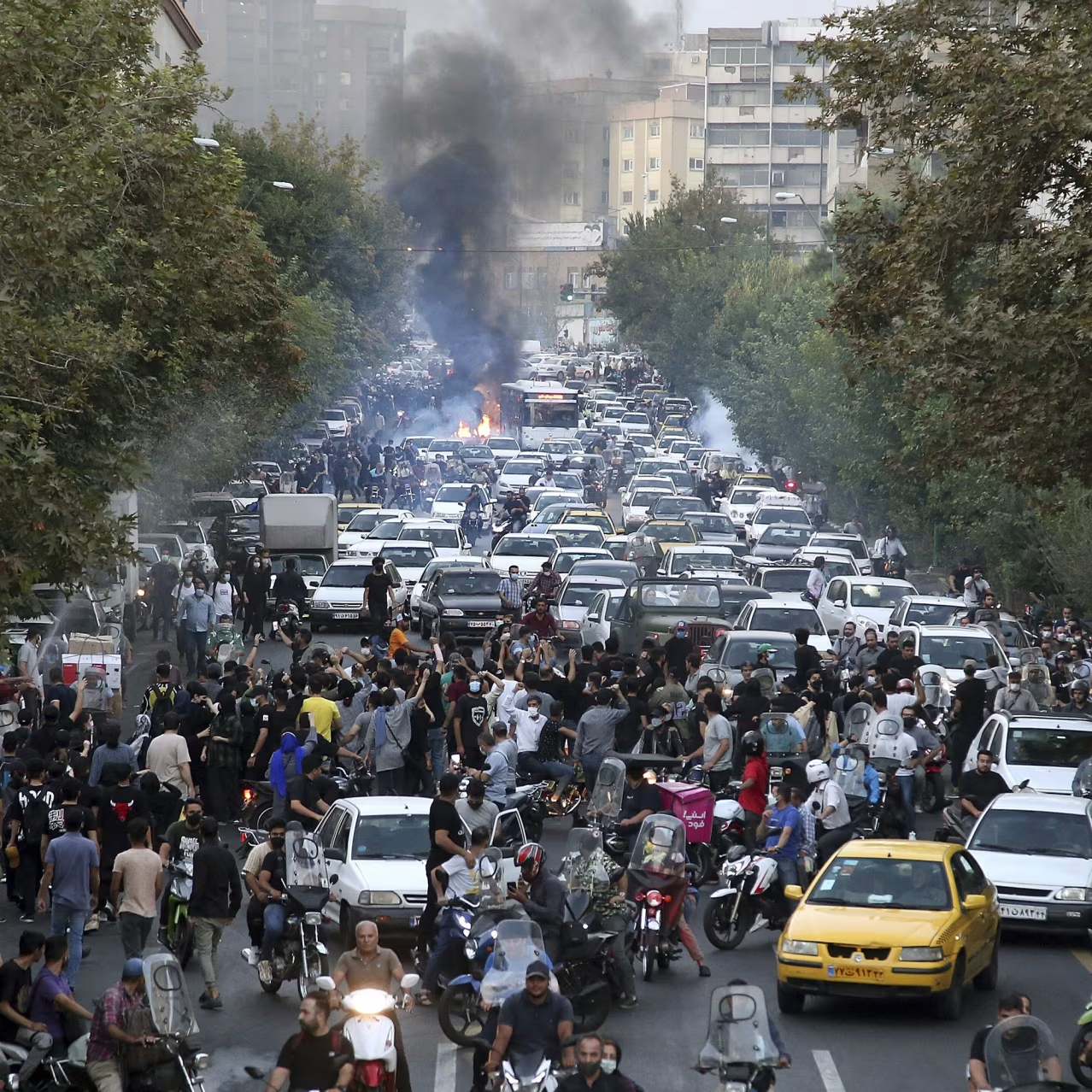
The Iran protests, which have surged in intensity over the past year, highlight the deep-seated discontent among the Iranian populace regarding government policies, economic challenges, and human rights issues. Triggered by the tragic death of Mahsa Amini in September 2022 while in police custody, these protests have captured international attention, revealing a fracture in the public’s trust towards the regime and the urgent call for reform.
Current Events and Developments
In recent months, protests have continued to erupt across various cities in Iran, as citizens express frustration over the soaring inflation rate, which has reportedly surpassed 50%. The impact of international sanctions, coupled with the government’s mismanagement, has exacerbated the economic crisis, leading to widespread demonstrations. Activists and human rights organisations have reported that the government has responded to these protests with violence, deploying security forces and employing tactics aimed at suppressing dissent.
Notably, the protests have not only been sparked by economic grievances but also by demands for greater freedom and rights for women, ethnic minorities, and political dissidents. The visibility of women in the protests, most notably removing their hijabs in defiance of government mandates, has been emblematic of the struggle against systemic oppression.
International Reaction
The international community has been vocal in its support of the protesters. Several Western nations, including the United Kingdom and Canada, have imposed further sanctions on individuals and entities connected to the Iranian regime. Human rights organisations like Amnesty International have called for increased awareness and pressure on Iran to respect human rights and engage in dialogue with its citizens. On the diplomatic front, discussions at forums such as the United Nations have centred around enhancing global scrutiny of Iran’s treatment of its people.
Conclusion
The future of the Iran protests remains uncertain as the government continues to resort to heavy-handedness in handling dissent. However, the resilience of the protesters and their refusal to back down suggest a significant turning point in Iranian society. Experts predict that continued unrest may lead to further international intervention, potentially compelling the Iranian government to engage in reforms. For readers, staying informed about the developments in Iran is crucial, not only for understanding the region’s geopolitics but also for recognising the fundamental human rights issues at play.