Introduction
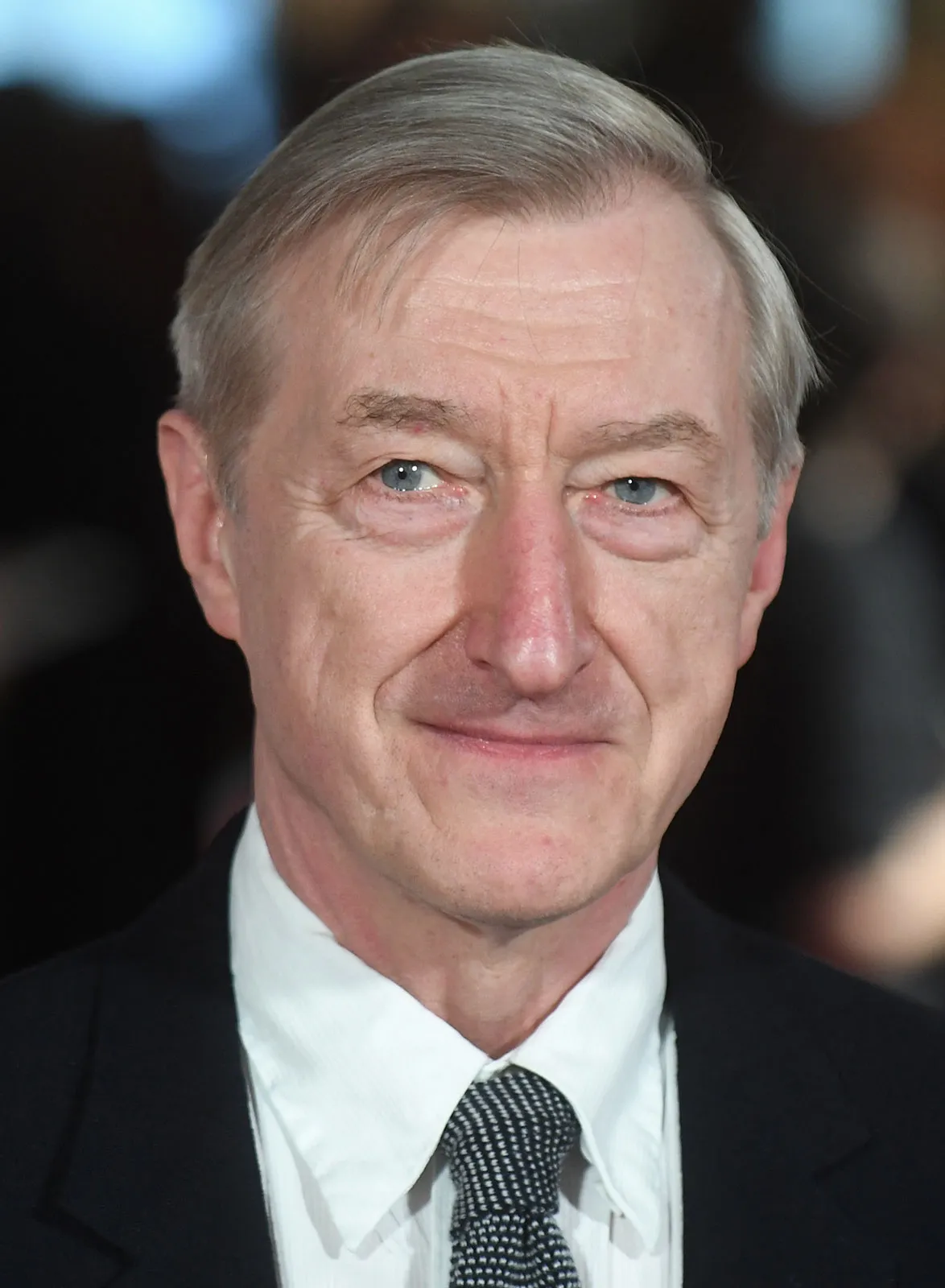
Fergal Keane is a prominent figure in journalism, renowned for his extensive coverage of wars and international crises. His insights and narratives have shaped public understanding of complex global events, making him a significant voice in contemporary media. Keane’s work not only showcases the realities of conflict but also highlights the human stories intertwined within them, bringing empathy and depth to journalism.
Main Body
Born in County Kerry, Ireland, Keane began his career with RTÉ in the late 1980s. He quickly gained recognition for his compelling reports from conflict zones, including Rwanda during the genocide in 1994, which drastically changed how media portrayed such tragedies. His ability to connect with victims and convey their experiences has earned him a reputation for ethical journalism.
In recent years, Keane has continued to report on various international conflicts, including the Syrian civil war and the humanitarian crises in Yemen and Ukraine. His dedication to highlighting the plight of civilians has contributed to a broader understanding of these conflicts in the UK and beyond. For instance, his recent documentaries have brought to light the suffering of children caught in warfare, appealing to audiences’ emotions and calling for action.
Keane’s investigative style is marked by his commitment to uncovering the truth and his sensitivity towards the subjects he covers. He has been awarded numerous accolades, including a BAFTA and several Amnesty International Media Awards, solidifying his status as a leading voice in journalism. His upcoming book, which delves into his experiences in war zones, is highly anticipated and is expected to further illuminate the complexities of human suffering in conflicts.
Conclusion
Fergal Keane’s contributions to journalism have sparked important conversations about the ethics of reporting in times of war. His work has encouraged a generation of journalists to pursue truth with compassion, a vital combination in today’s rapidly evolving media landscape. As global conflicts persist, Keane’s voice remains crucial in shaping public discourse, making his ongoing projects significant not just to journalism but to societal understanding of these pressing issues. Readers can look forward to seeing how Keane’s insights continue to influence media narratives in the coming years.