Introduction
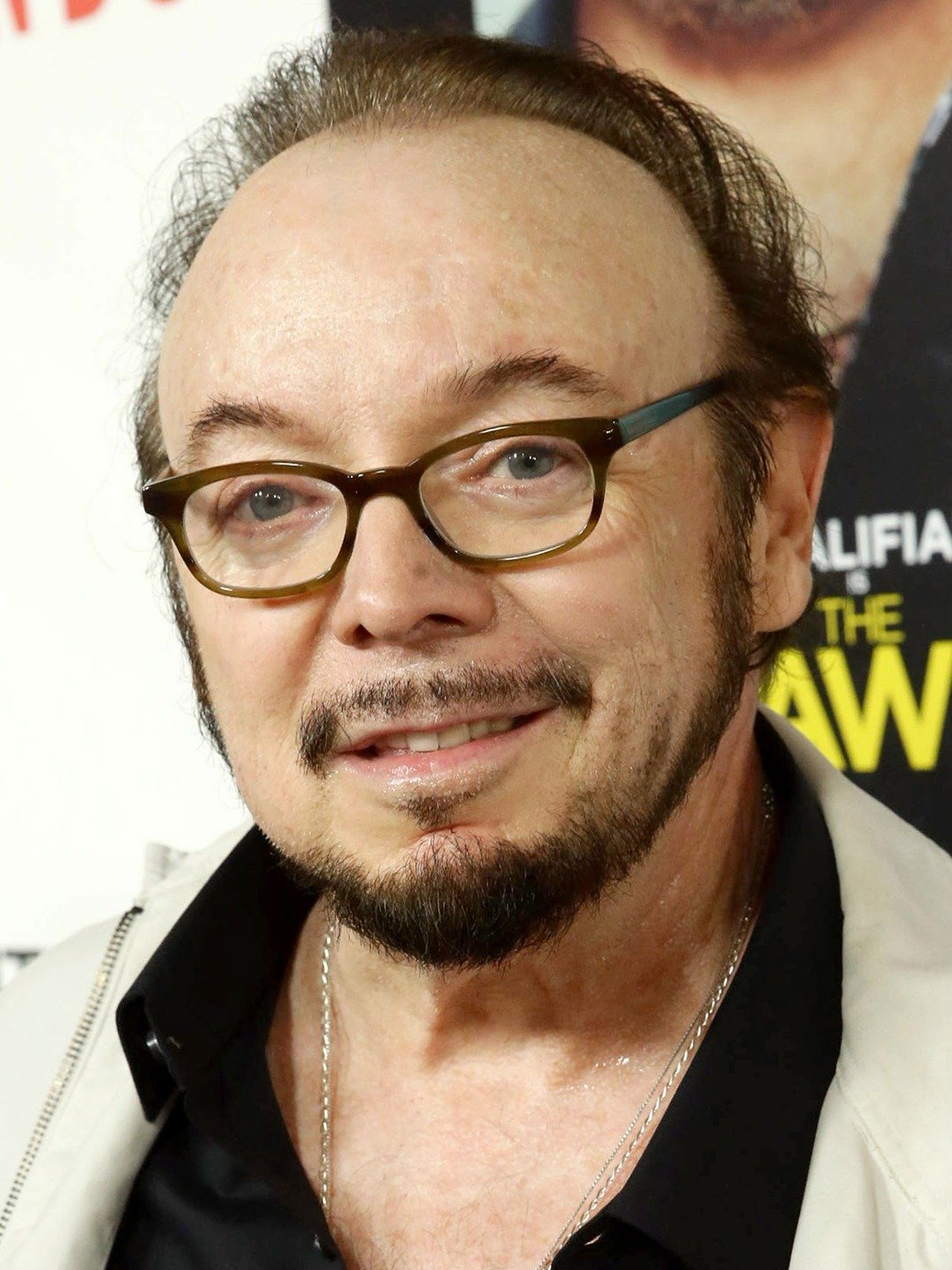
Bud Cort is an esteemed American actor and filmmaker whose contributions to cinema have left an indelible mark on the film industry. Known primarily for his iconic roles in the 1971 film Harold and Maude, and later in Buffalo Bill and the Indians, Cort’s unique style and distinctive voice have made him a memorable figure among film enthusiasts. Understanding his career is essential for appreciating the evolution of independent cinema in the 1970s and 1980s.
Early Life and Career
Born on March 29, 1948, in New York City, Bud Cort grew up immersed in the arts. He first honed his skills in theatre before transitioning to film. His breakthrough role in Harold and Maude showcased his talent for portraying complex characters grappling with existential themes. Directed by Hal Ashby, the film became a cult classic, widely praised for its unconventional storytelling and music by Cat Stevens.
Notable Works
Following the success of Harold and Maude, Cort worked on various projects, both in the independent and mainstream film sectors. In Buffalo Bill and the Indians (1976), directed by Robert Altman, Cort delivered a compelling performance as the outsider in a western setting, further solidifying his status as a versatile actor. Over the years, he has appeared in numerous films and television series, adapting his performances to fit the demands of diverse genres.
Recent Developments
In recent years, Bud Cort has continued to engage with his audience through various artistic channels. He made appearances in television series such as Heroes and participated in film projects that highlight his enduring passion for performance. Additionally, he has given numerous interviews reflecting on his career, sharing insights regarding the creative process and the importance of authenticity in acting.
Conclusion
Bud Cort’s illustrious career serves as an example of how an actor can influence cinematic culture through distinctive character portrayals. As he continues to work in the industry, his dedication reminds audiences of the timeless appeal of classic cinema and the transformative power of storytelling. Fans and critics alike remain curious about what the future holds for him and how he might further shape the landscape of film and television.