Introduction
Vitamin D, often referred to as the ‘sunshine vitamin’, is essential for maintaining overall health. Its significance has gained increased attention, particularly as research reveals its critical roles in immunity, bone health, and chronic disease prevention. Amidst rising concerns about vitamin D deficiency due to lifestyle changes and increasing indoor living, understanding its importance has never been more relevant.
The Role of Vitamin D in the Body
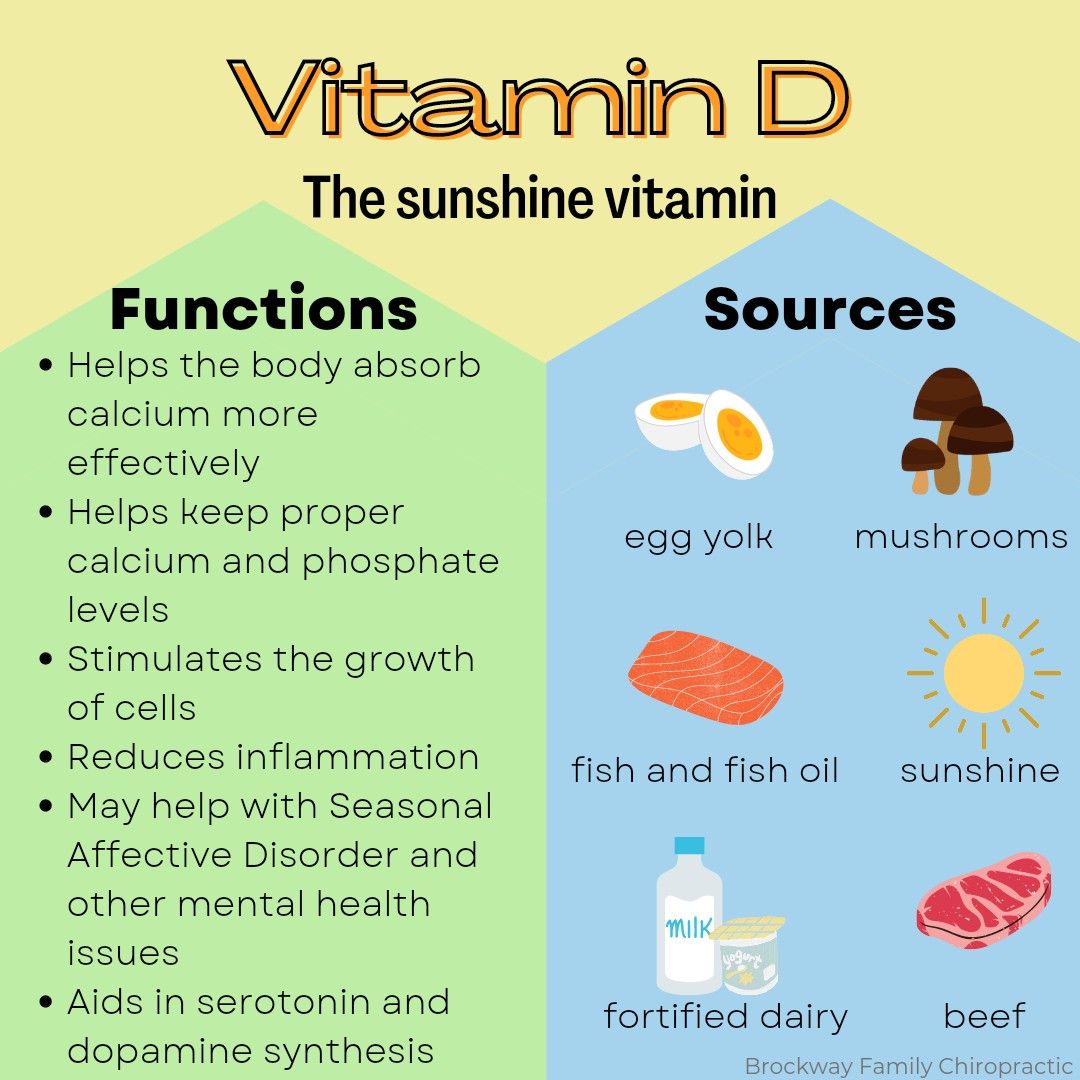
Vitamin D is crucial for calcium absorption in the gut, which is fundamental for maintaining healthy bones and teeth. It also supports the immune system, brain health, and muscle function. According to a study published in the Journal of Clinical Endocrinology & Metabolism, adequate vitamin D levels can reduce the risk of respiratory infections and potentially diminish the severity of diseases such as COVID-19.
Sources of Vitamin D
Vitamin D can be obtained through various sources. The primary natural source is sunlight; when the skin is exposed to UV rays, it synthesizes vitamin D. Food sources include fatty fish (like salmon and mackerel), fortified foods (such as certain dairy products and cereals), and supplements. Despite these options, many individuals still experience deficiency, especially in regions with limited sunlight during winter months.
Current Trends and Research
The prevalence of vitamin D deficiency has become a growing concern. Recent reports from Public Health England indicate that about 1 in 5 adults has low vitamin D levels in the UK, particularly during the winter. Health professionals recommend regular testing and supplementation for those at risk. Additionally, the NHS has updated its guidance recommending daily vitamin D supplements, especially for vulnerable populations such as the elderly, pregnant women, and individuals with darker skin tones, who may have reduced synthesis of the vitamin.
Conclusion
In a world where lifestyle changes affect our nutritional intake, understanding the importance of vitamin D is crucial for fostering health and well-being. Ensuring adequate levels through sunlight exposure, diet, and appropriate supplementation can enhance immunity and reduce the risk of numerous health issues. As ongoing research further unveils the extensive benefits of vitamin D, it is essential for individuals to remain informed and proactive about their vitamin D status to optimise their health outcomes.