Introduction
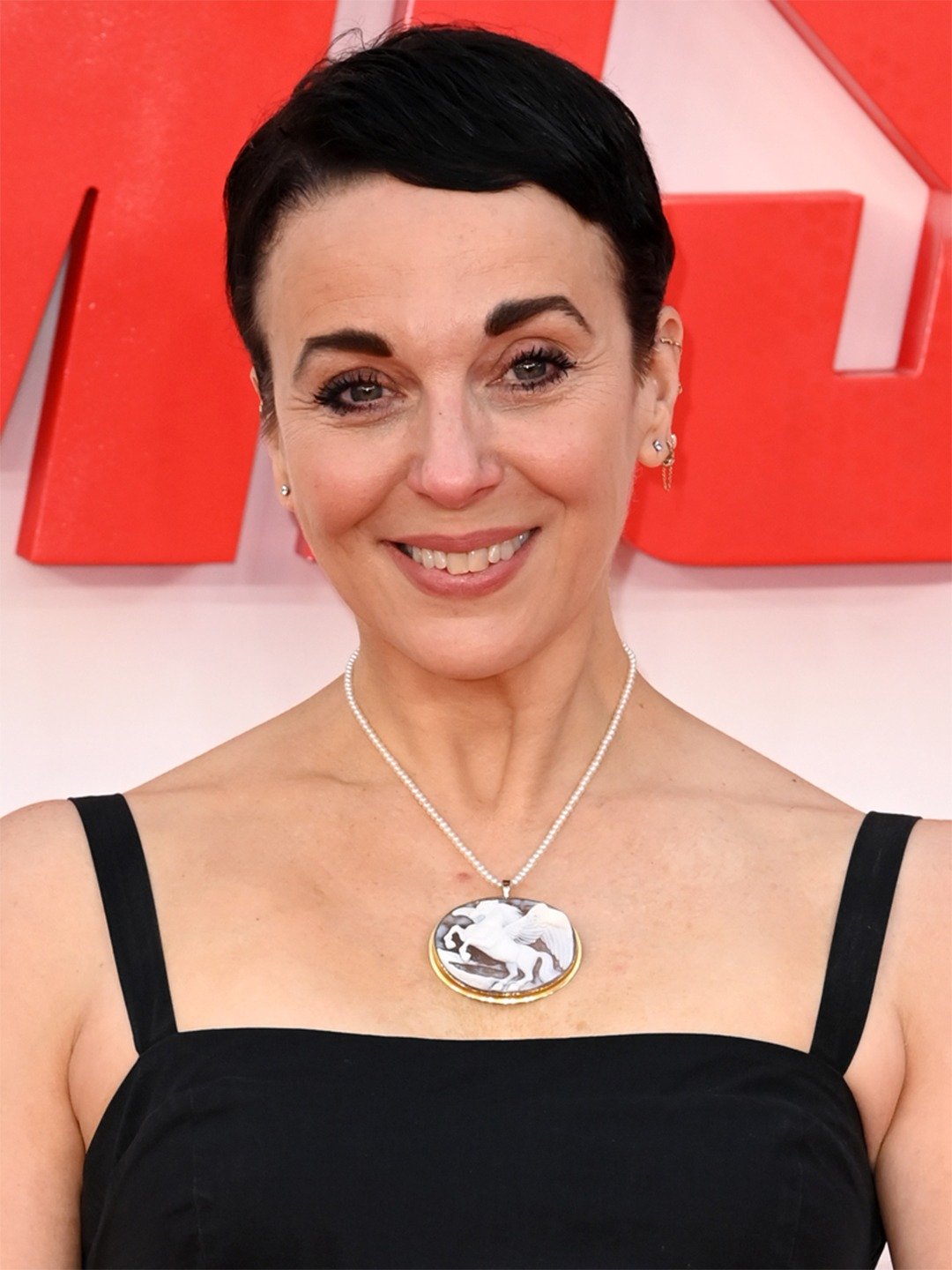
Amanda Abbington has established herself as a prominent figure in British television and film, recognised for her versatility and depth as an actress. With several successful roles spanning over two decades, Abbington’s performances have garnered critical acclaim and a loyal fanbase. Recently, her work has attracted renewed interest and attention, making her a significant personality to watch in the entertainment industry.
Career Highlights
Born on February 28, 1974, Amanda Abbington began her acting career in the late 1990s. She gained widespread recognition for her roles in popular television series such as Sherlock, where she portrayed Mary Morstan, and Mr Selfridge, as the character Miss Mardle. Abbington’s ability to bring complex characters to life has made her a sought-after talent in UK television.
Recent Projects
In recent months, Abbington has been involved in various projects that have further solidified her standing in the industry. She appeared in the critically acclaimed series Since I Don’t Have You, which has been praised for its poignant storytelling and strong performances. Additionally, she recently participated in live theatre productions, showcasing her range and adaptability as an actress.
Impact and Public Perception
Beyond her roles on-screen, Abbington is also known for her candidness about mental health issues and the challenges of being in the public eye. Her openness has made her a relatable figure for many of her fans. In recent interviews, she has discussed the importance of self-care and the need for greater representation and inclusivity in the arts.
Conclusion
As Amanda Abbington continues to take on challenging roles and engage with fans, she remains a significant contributor to the UK entertainment landscape. With her recent projects garnering attention, her future looks bright, and audiences are eager to see what she does next. Abbington’s evolving career not only highlights her talent as an actress but also reflects a broader cultural shift towards more honest conversations around mental health and diversity in the arts.