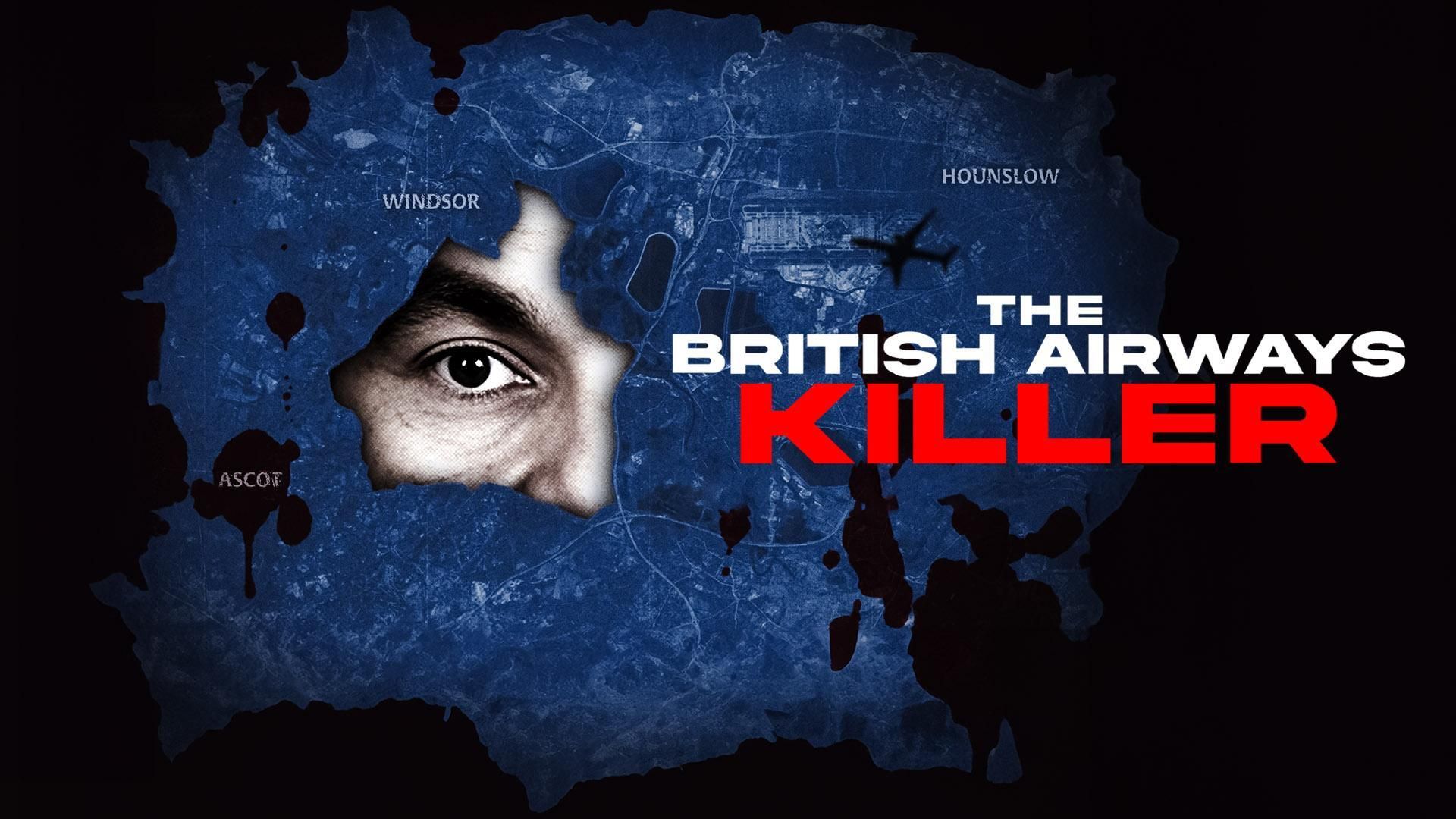
Introduction
The story of the British Airways killer, a term used to describe a tragic series of events that unfolded in the late 1990s, remains a significant chapter in aviation history. It highlights the importance of aviation safety and the implications of violent crime within this industry. Following the conviction of an individual for the murder of a British Airways employee, the horrors of workplace violence have been thrust into the public consciousness.
Background and Events
The gruesome events began in 1999 when a 34-year-old British Airways employee, who was on the brink of being dismissed, committed a heinous act of violence leading to his colleague’s murder. The fallout from this incident raised numerous questions about security measures and employee welfare in the aviation sector. During the trial, the assailant was found guilty of the murder, yet the motivations behind such violence prompt a deeper examination of workplace relationships and mental health support.
In light of this tragic event, British Airways and other airlines have since taken steps to enhance security protocols and employee support systems to address mental health issues. This includes the implementation of comprehensive training programmes focused on recognising signs of distress and providing assistance before situations escalate. Furthermore, it shed light on the crucial need for a supportive workspace and clear communication lines between employees and management.
Current Implications
The impact of the British Airways killer case extends beyond the tragic loss of life; it serves as a wake-up call for industries worldwide to assess and improve their safety protocols. Facilities and airlines are increasingly committed to creating an environment where employees feel secure and valued. This includes enhancing reporting mechanisms for grievances, mental health initiatives, and the promotion of a robust employee assistance programme.
Conclusion
The events surrounding the British Airways killer remind us of the need for vigilance in ensuring workplace safety, particularly in high-stress environments like aviation. As airlines continue to evolve and adapt to modern challenges, a primary focus must remain on the psychological well-being of staff and creating supportive work cultures. Though the term ‘British Airways killer’ represents a dark period in the airline’s history, it has also paved the way for improvements in safety and mental health awareness, ultimately fostering a more secure atmosphere for future aviation professionals.