Introduction
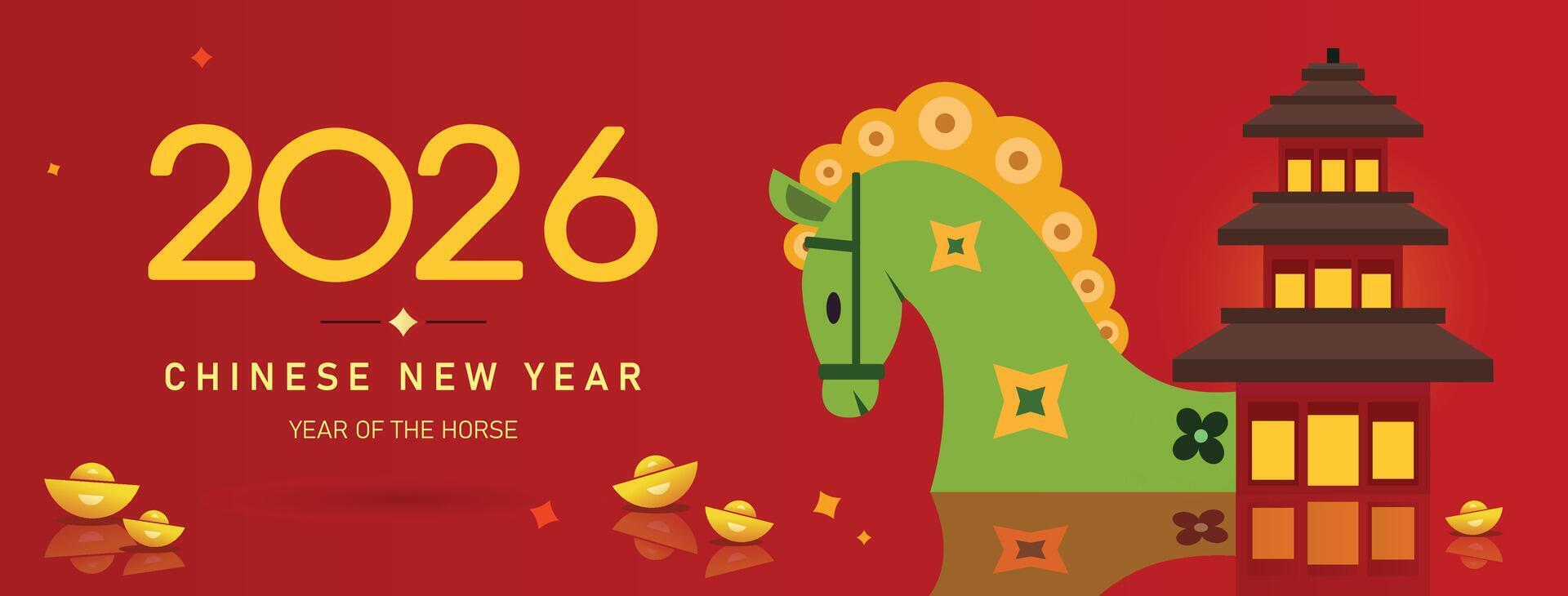
Kung Hei Fat Choi, a popular Cantonese greeting during the Lunar New Year, translates to ‘Wishing You Prosperity.’ This festive phrase reflects the cultural significance of the holiday, celebrated by millions worldwide. The Lunar New Year marks a time of reunion, reflection, and renewal, making it a key event in many Asian cultures.
Historical Context
The origins of Kung Hei Fat Choi can be traced back to ancient Chinese traditions centered around the lunar calendar. The festival symbolizes the beginning of a new year and is associated with various myths, including the legend of the Nian monster, which was said to terrorize villagers at the turn of the new year. To scare away the Nian, people would decorate their homes in red and celebrate with music and lion dances, practices that continue to this day.
Cultural Traditions
Alongside the phrase Kung Hei Fat Choi, a variety of customs characterize the Lunar New Year celebrations. These include family reunions, festive meals, and the exchange of red envelopes containing money, known as ‘lai see.’ The various traditional foods served during the New Year celebration carry symbolic meanings related to prosperity and good fortune, such as fish for abundance and rice cakes for progress.
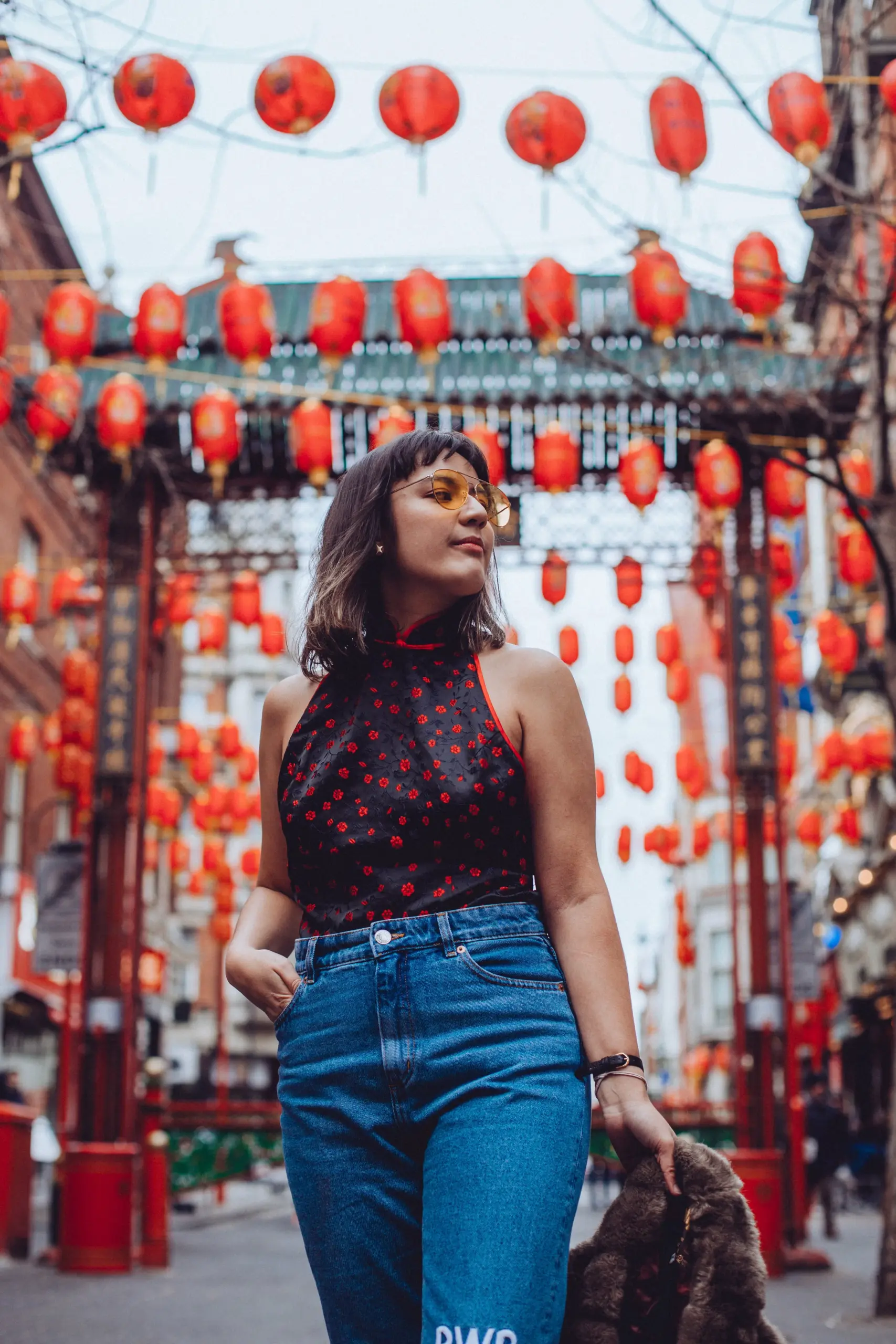
In 2023, the Lunar New Year, which fell on January 22, marked the Year of the Rabbit, a symbol of peace and prosperity. Cities such as London, Sydney, and San Francisco hosted vibrant parades filled with traditional dragon performances, firecrackers, and cultural exhibitions, representing the diversity of the global Chinese community.
Significance for Future Celebrations
The continued observance of Kung Hei Fat Choi underscores the resilience of cultural traditions in a rapidly changing world. As more people engage with Chinese culture, whether through dining at Asian restaurants, participating in local festivals, or learning about its practices, the importance of Kung Hei Fat Choi will likely expand beyond its historical roots.
Conclusion
In summary, Kung Hei Fat Choi encapsulates the joy, familial bonds, and aspirations for prosperity that define the Lunar New Year. As this festive period grows in international prominence, its relevance continues to resonate—encouraging cultural exchange and understanding among diverse communities. The vitality of these traditions promises a rich tapestry of celebrations for years to come.