Introduction
The Winter Olympics is one of the most prestigious sporting events globally, showcasing the best athletes in disciplines such as skiing, ice skating, and ice hockey. The medals awarded during the event not only signify personal achievement but also reflect national pride and athletic excellence. The 2022 Winter Olympics held in Beijing marked a significant chapter in this storied competition, with records being broken and new stars emerging on the ice and snow.
Medals in the Winter Olympics
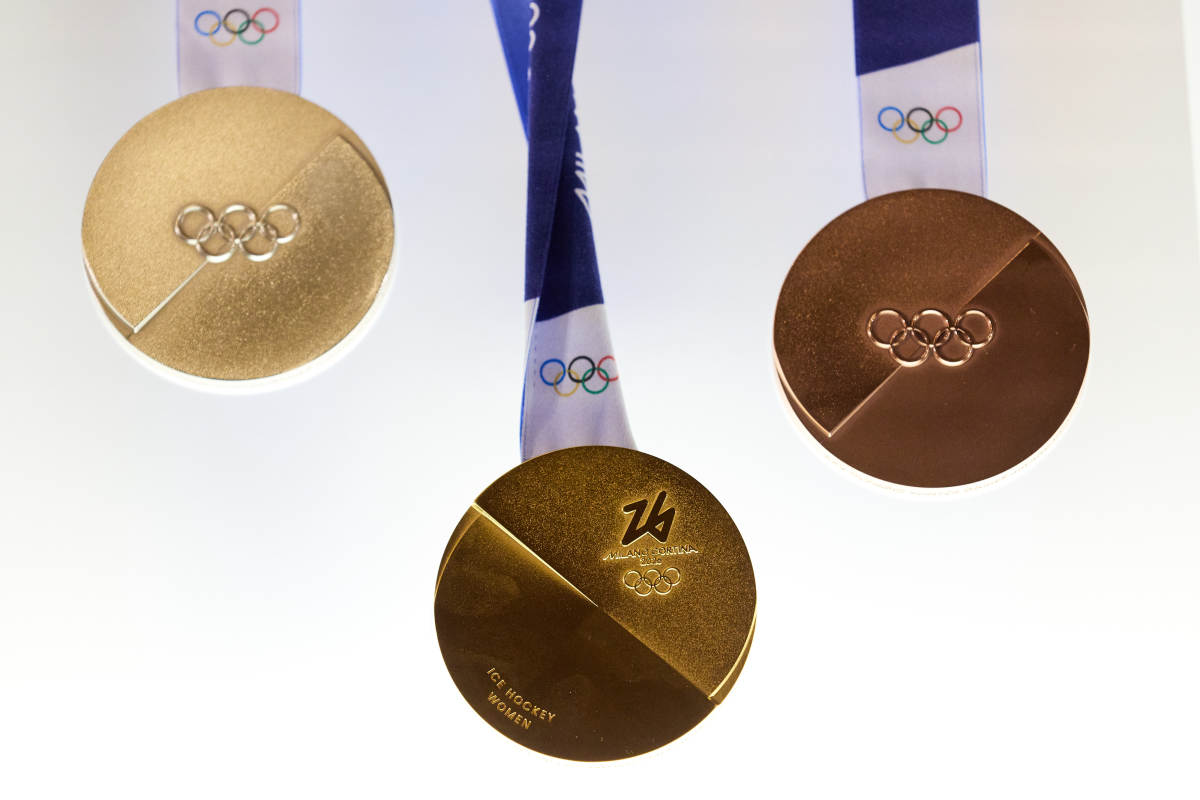
Traditionally, medals at the Winter Olympics are awarded in three categories: gold, silver, and bronze. Gold medals symbolize victory, silver denotes second place, and bronze is awarded to the third-place competitors. Furthermore, the design of these medals often pays homage to the host nation’s culture and heritage. The Beijing medals were particularly notable as they integrated elements of Chinese tradition, featuring designs with intricate details that reflect the country’s rich history.
The 2022 Winter Olympics Results
At the 2022 Winter Olympics, which took place from February 4 to February 20, 2022, more than 2,800 athletes from over 90 nations competed for medals, making this one of the largest Winter Games in history. Norway emerged as a dominant force, topping the medal table with a total of 37 medals, including 16 golds. The event was also significant for countries like Germany and Canada, who showcased their talents across various winter sports. Notably, the Games were held amid the challenges posed by the COVID-19 pandemic, leading to strict health protocols that impacted both athletes and fans alike.
Future Implications for Winter Olympics Medals
The importance of Winter Olympics medals extends beyond the Games themselves. Medals are seen as a benchmark for athletic performance and inspire upcoming athletes to strive for greatness. As nations continue to invest in winter sports programs, we can expect the level of competition in future Olympics to rise dramatically. Looking ahead to the 2026 Winter Olympics scheduled to be held in Milan and Cortina d’Ampezzo, the anticipation is mounting to see how nations will prepare their athletes and strategies to claim victory on the world stage.
Conclusion
The Winter Olympics medals hold great significance, representing years of dedication, training, and ambition. The 2022 Games, despite the unusual circumstances, captivated audiences and highlighted the remarkable achievements of athletes worldwide. As we look forward, the medals will continue to inspire future generations, turning dreams into reality in the spirit of Olympism.